In-house CAD & engineering.
We design your system ourselves, with sealed drawings and Rolling Sphere calculations. No outsourcing, no guesswork, and a permit-ready package that coordinates with the structural set.

A single lightning strike doesn’t have to hit your building to take a data center offline. A strike a quarter-mile away can push a surge down the utility line, through the grounding system, and directly into the equipment that’s supposed to remain operational. In a facility where a few seconds of downtime gets measured in tens of thousands of dollars, that isn’t a maintenance issue; it’s a continuity issue.
All South Lightning Protection designs and installs engineered lightning protection and surge suppression systems specifically built for mission-critical facilities, including enterprise data centers, colocation sites, server rooms, and network operations centers, across Florida. Every system is purpose-designed to NFPA 780 and UL 96A — not pulled off a shelf. We have done this, and only this, for 40 years.
Florida is the lightning capital of the United States, with roughly 1.4 million cloud-to-ground strikes a year. If your data center sits here, the question isn’t whether it gets exposed. It’s whether it’s protected when it does.
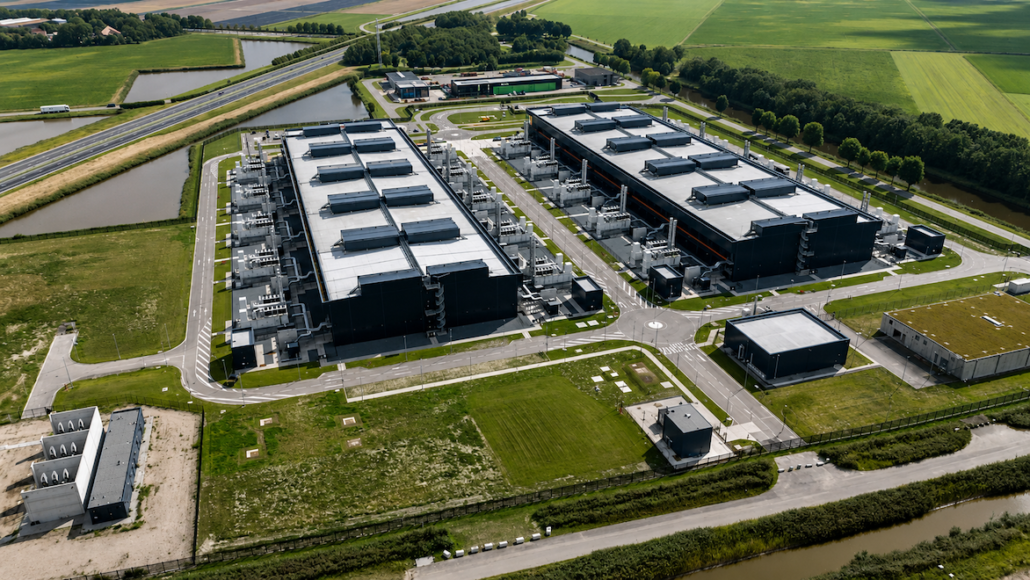
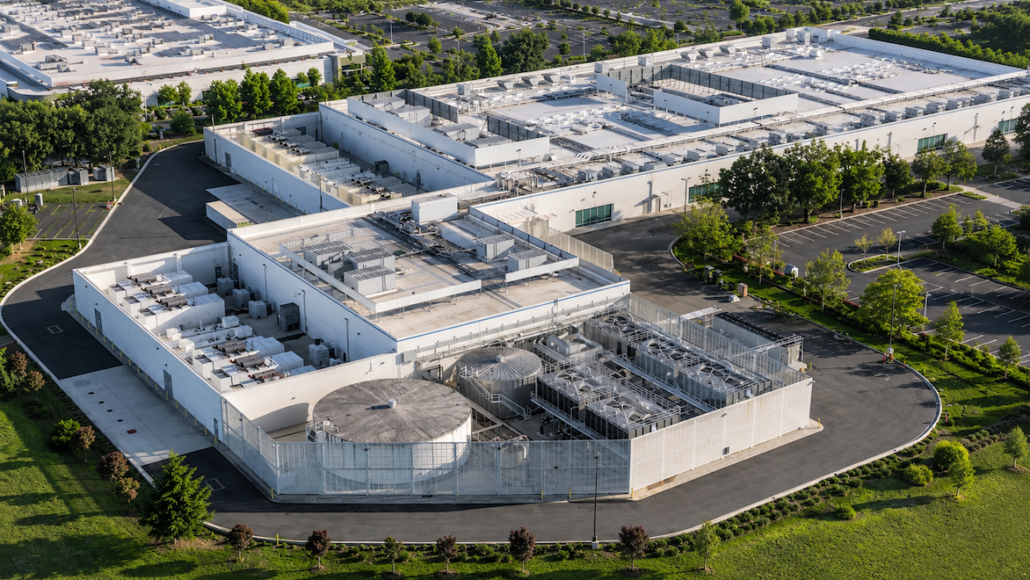
Lightning protection for a data center is layered. No single component does the job alone; the strike has to be intercepted, conducted, grounded, and bonded, and every conductive path into the building has to be surge-protected. A real system covers all of it.
Air terminals, down conductors, and a grounding electrode system that gives a direct strike a safe, low-resistance path to earth around the building and its equipment, not through them. Designed using the Rolling Sphere Method to NFPA 780.
Coordinated Type 1, Type 2, and Type 3 surge protective devices at the service entrance, distribution panels, and point of use. This is the layer that stops the conducted surge, the one that travels in on the utility line from a strike that never touched your roof. It’s the same discipline behind our surge suppression work.
Surge protection on network, telecom, and signal lines. Power isn’t the only way a transient gets in copper data lines are a common back door into the server room, and they bypass everything you installed on the power side.
A properly engineered grounding electrode system plus equipotential bonding, so that everything rises and falls together during an event. Poor bonding is where a lot of “mystery” equipment damage actually originates. Our grounding and bonding systems are engineered to eliminate the unequal-ground arcing that quietly destroys electronics.
Annual visual inspections, full inspections on a defined cycle, post-strike assessments, and UL 96A recertification so your documentation stays current for code, insurers, and audits. Our inspection program keeps a certified system certified as the building changes.
Most facilities believe they’re covered because they have a UPS, surge strips, and a generator. Those protect against some things and almost nothing about a lightning event. Use the layered model below to audit your own building — top to bottom, the strike enters the same way every time, and a gap at any layer is the gap that gets used. Each layer lists what it does, the failure mode when it’s missing, and the standard it maps to.
Two questions cut through most of it. First: is there a coordinated SPD at the service entrance, or does protection start at the rack? If it starts at the rack, Layers 2 and 3 are missing and the biggest surge has an open door. Second: when was the grounding and bonding last verified against the current floor plan? If the room has been re-racked or expanded since the last check, the bonding almost certainly hasn’t kept up. If you can’t answer both cleanly, that’s where your exposure is — and it’s exactly what a site assessment documents.
| Layer | What it does | Failure mode if missing / undersized | Maps to |
|---|---|---|---|
| 1. Structural strike termination | Intercepts a direct strike at air terminals and routes it to earth via down conductors, around the building. | Strike attaches to the roof, HVAC, or steel and arcs internally looking for ground — through your equipment. | NFPA 780 (Rolling Sphere Method) |
| 2. Service-entrance SPD (Type 1) | Clamps the large conducted surge coming in on the utility feed before it enters the building. | Full service-entrance transient reaches distribution gear and everything downstream. | UL 1449 / NFPA 780 Ch. 4 |
| 3. Distribution SPD (Type 2) | Catches the residual surge at panels feeding the white space and mechanical loads. | Let-through voltage from Layer 2 still exceeds what PDUs and controls can survive. | UL 1449 |
| 4. Data / signal line protection | Protects network, telecom, and signal copper entering the server room. | Transient bypasses all power-side protection and enters on data lines — the most-missed path. | NFPA 780 / IEC 62305 |
| 5. Grounding & equipotential bonding | Ties all systems to a common reference so nothing floats at a different potential during a strike. | Unequal grounds arc between each other — the classic source of “unexplained” board failures. | NFPA 780 / NEC Art. 250 |
| 6. Point-of-use protection | Final trim at the rack/UPS — the last, smallest layer. | On its own it’s asked to absorb a service-entrance event it was never rated for, and fails. | UL 1449 (Type 3) |
| 7. Inspection & recertification cycle | Confirms the whole chain is intact after changes, additions, and strikes. | Documentation lapses; a modified building no longer matches its certified drawings. | UL 96A |
| Standard | What it covers |
|---|---|
| NFPA 780 | Installation of lightning protection systems |
| UL 96A | Master Label requirements and inspection for LP systems |
| IEC 62305 | International lightning protection standard (relevant for global operators) |
| LPI-175 / LPI-177 | Lightning Protection Institute design and installation certification |
Institutional and enterprise buyers don’t take “it’s protected” on faith; they require documentation. Every All South data center system is engineered and installed to the standards below, and delivered with sealed, permit-ready drawings and a documented submittal package: the paperwork your AHJ, your insurer, and your compliance team all want to see.
We’re not a general electrical contractor adding lightning protection as a side service. This is the entire business — and it has been for 40 years.
Does lightning have to hit the building to damage a data center?
No. Most lightning-related equipment damage comes from surges, not direct strikes. A strike up to a quarter-mile away can induce a transient that travels into the facility on power or data lines, which is why surge protection (SPD/TVSS) matters as much as the structural system.
Is lightning protection required by code for data centers?
NFPA 780 is the governing standard for lightning protection system design and installation, and many jurisdictions, insurers, and institutional clients require documented, code-compliant protection on critical facilities. We design every system to be permit-ready and fully documented for your AHJ and carrier.
Won’t my UPS and surge strips already handle this?
They help, but they aren’t enough on their own. Point-of-use protection is the last and smallest layer of a coordinated system — it isn’t designed to absorb a service-entrance-level transient from a lightning event. Effective protection is layered: structural LP, service-entrance SPDs, distribution-level SPDs, data-line protection, and then point-of-use protection.
How long does installation take, and will it disrupt operations?
It depends on the facility size and design complexity, but the work is planned to minimize disruptions to your uptime. We sequence installation to avoid disrupting live operations, and structural work is largely external. You get a clear timeline with the quote.
Do you provide the documentation our insurer and compliance team need?
Yes. You receive sealed engineering drawings, a permit-ready submittal package, and UL 96A certification, plus recertification on schedule so your records stay audit-ready.
All South protects mission-critical facilities statewide from three Florida branches. Each office runs its own field crews, so you get local response backed by a single in-house engineering team.
5307 N Falkenburg Rd, Bldg A,
Tampa, FL 33610
13270 Yellow Bluff Road,
Jacksonville, FL 32226
4759 NW 103rd Ave,
Sunrise, FL 33351
5307 N Falkenburg Rd bldg a, Tampa,
FL 33610, USA
Tampa 813-630-2757
Tampa Fax 813-630-2758
Our Tampa location is BBB Accredited.