School Lightning Protection Jacksonville FL: Duval County NFPA 780 Compliance Guide
Jacksonville, Florida, sits in one of the most lightning-active corridors in the entire United States. The state averages more lightning strikes per square mile than anywhere else in the country, and Duval County’s schools, athletic fields, and university campuses face that risk every single summer. For facilities directors, superintendents, and university operations leaders, school lightning protection in Jacksonville isn’t just a safety best practice. Under Florida law, it’s a legal requirement.
This guide breaks down what NFPA 780 compliance means for Duval County Public Schools, the University of North Florida, Jacksonville University, and every campus in between, including the zones most facilities overlook and how to align projects with the summer construction window.
Florida’s Legal Mandate: Why NFPA 780 Is Not Optional
Most states treat NFPA 780 as a voluntary standard. Florida does not. Florida Building Code Section 2703.1 states clearly: a lightning protection system shall be provided for all new buildings and additions in accordance with NFPA 780. That mandate applies to every structure, including every school building, portable classroom addition, gymnasium, and stadium press box constructed or significantly expanded in the state.
For Duval County Public Schools, which operates over 160 schools serving more than 120,000 students, and for private universities like Jacksonville University and public institutions like the University of North Florida, this requirement is triggered on every capital project involving new construction or structural additions. There is no educational exemption. There is no size threshold. If it’s a new building in Florida, it needs a compliant lightning protection system.
What NFPA 780 Actually Requires for School Buildings
NFPA 780, the Standard for the Installation of Lightning Protection Systems, published by the National Fire Protection Association, establishes the design and installation baseline for any compliant system. For educational facilities, a full NFPA 780-compliant system includes:
- Air terminals (lightning rods) — properly spaced across the roof per NFPA 780 placement rules
- Bonding conductors — connecting all metallic rooftop components into a unified system
- Down conductors — providing multiple, defined paths for charge to travel from roof to ground
- Grounding electrodes — ground rods or ring electrodes providing a low-resistance path into the earth
- Surge protection — protecting electrical and electronic systems from induced transient voltage
- Bonding of metallic systems — HVAC equipment, plumbing, structural steel, and communications infrastructure, all bonded to the lightning protection system
Certification under UL 96A (the installation requirements standard that complements NFPA 780) and a UL Master Label inspection is the gold standard for institutional facilities. It provides documentation that matters for insurance carriers, district risk managers, and state inspectors alike.
High-Risk Zones on Jacksonville School Campuses
The main school building is rarely the highest-risk asset on a campus. For Duval County schools’ lightning protection, these are the zones that demand the most careful attention in any NFPA 780 design:
Athletic Fields and Bleachers
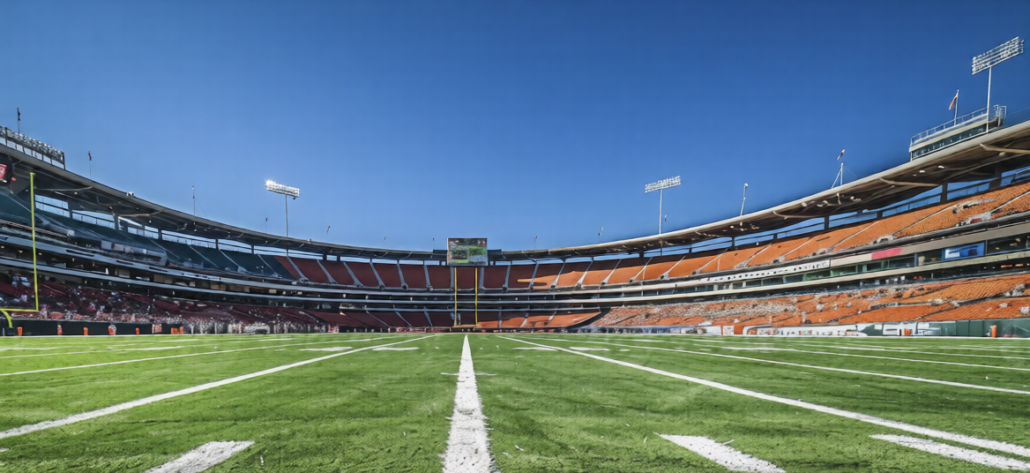
Open grass fields, aluminum bleacher structures, press boxes, and dugouts are among the most lightning-vulnerable locations on any campus. Bleachers and light towers act as natural elevated conductors. Students and staff gathered in these areas during afternoon summer storms — when Jacksonville’s thunderstorm frequency peaks – face serious risk without dedicated protection systems designed to current standards.
Portable Classrooms
Portable classrooms present a distinct compliance challenge. Each portable is a standalone structure and, under the Florida Building Code, requires its own NFPA 780-compliant lightning protection system; it cannot simply piggyback onto the main building’s system. Duval County campuses with large portable classroom footprints may have dozens of structures that have never received a formal lightning protection evaluation.
Open Courtyards and Covered Walkways
Covered walkway structures connecting buildings, open pavilions, and outdoor gathering areas create their own exposure. Metal roofing and structural steel in these connectors need to be bonded into the campus-wide system. An isolated covered walkway without proper bonding can actually channel charge unpredictably in a strike event.
Flagpoles and Communication Towers
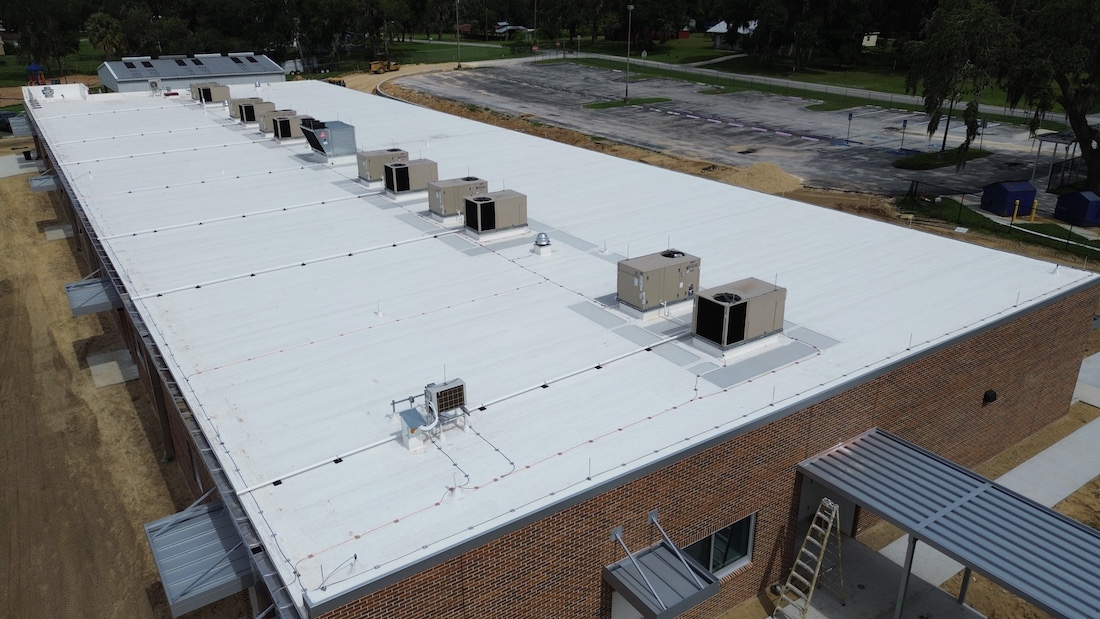
Flagpoles, antenna masts, rooftop HVAC equipment, and communications infrastructure are elevated metallic objects that must be integrated into any compliant system. Isolated metallic objects within the zone of protection that are not properly bonded create gap points where side-flash can occur.
University Lightning Protection in Jacksonville: UNF and Jacksonville University
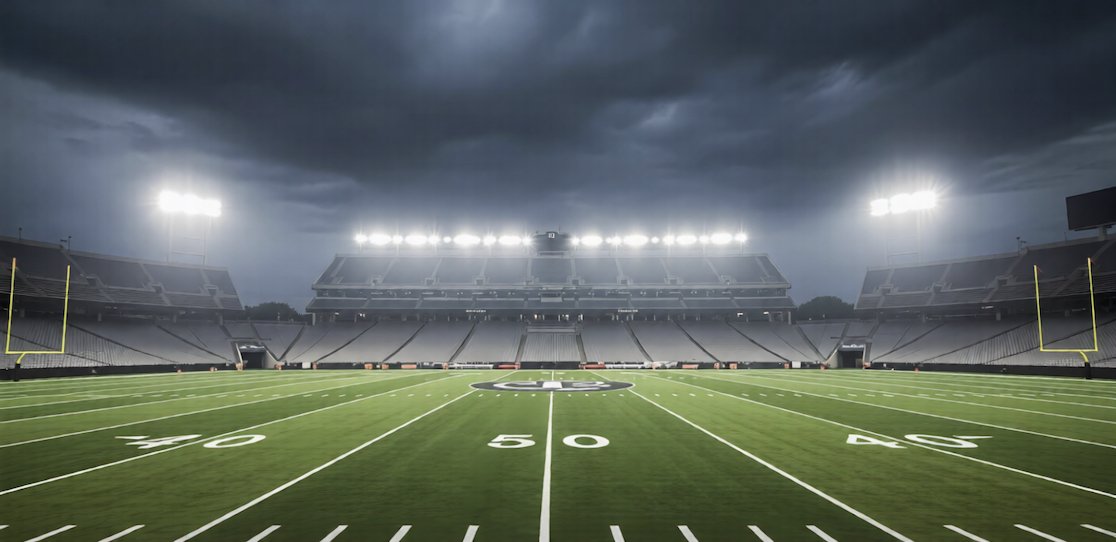
For university lightning protection in Jacksonville, FL, the compliance picture is the same, but the campus complexity is greater. University campuses combine large open quads, research buildings with sensitive electronics, athletics facilities, parking structures, and student housing, each with distinct risk profiles and system requirements.
The University of North Florida’s sprawling Osprey Park campus and Jacksonville University’s riverside campus both include high-exposure outdoor spaces that students routinely occupy during afternoon thunderstorms. A campus-wide lightning protection strategy involves:
- Individual NFPA 780 systems for each structure, designed by a qualified engineer
- Surge suppression for research lab equipment, server rooms, and broadcast facilities
- Grounding and bonding assessments for aging buildings that predate modern standards
- CAD-designed system drawings, signed and sealed, available for permitting and insurance documentation
- Periodic inspections to maintain UL Master Label certification on certified buildings
All South Lightning Protection’s in-house CAD design team provides signed and sealed drawings upon request, a critical requirement for university capital projects that go through formal design-bid-build procurement.
Planning for the Summer Construction Window
Duval County Public Schools, like most large Florida districts, concentrates capital construction activity in the summer, roughly June through August, when student populations are off campus, and contractor access is unrestricted. For facilities directors managing NFPA 780 school compliance in Jacksonville, that window requires planning that starts in Q1 or Q2.
The typical project timeline for a school lightning protection installation looks like this:
- Q1–Q2: Site assessment and risk evaluation — All South conducts an on-site evaluation, identifies all structures requiring protection, and documents the existing grounding and bonding infrastructure.
- Q2: Engineering and design — CAD drawings are produced for each structure, reviewed against NFPA 780, and prepared for permitting submission.
- Q2: Permitting — Permit applications are submitted to the City of Jacksonville Building Inspection Division. Lead times vary; early submission is critical for summer start dates.
- Summer: Installation — Systems are installed, inspected, and certified. UL Master Label inspections are scheduled.
- End of summer: Documentation package — Signed drawings, inspection reports, and certifications are delivered to the district facilities office for records.
Facilities directors managing multi-site capital programs should note that phased approaches prioritizing new construction and high-risk zones, such as athletic fields, first are fully compatible with NFPA 780 compliance strategies.
Why Decision-Makers Choose All South Lightning Protection
All South Lightning Protection has served Northeast Florida for over four decades. Our Jacksonville team works exclusively on lightning-related systems, with no divided attention and no generalist contractors. Every specialist holds credentials from the Lightning Protection Institute and maintains active UL certification.
For educational institutions, we offer:
- Full NFPA 780 system design, installation, and UL Master Label certification
- In-house CAD drawings signed and sealed for permitting
- Surge suppression for administrative, technology, and lab infrastructure
- Portable classroom systems — designed and installed as standalone compliant units
- Athletic field and bleacher protection systems
- Inspection and re-certification services for existing systems
- Documentation packages meeting district and university procurement requirements
Our education project portfolio includes K-12 campuses and university facilities across Florida. Our Jacksonville team is positioned to support Duval County Public Schools, UNF, Jacksonville University, and independent private school campuses of any size.
Related Resources from All South
- All South Lightning Protection – Jacksonville Location — Northeast Florida’s dedicated lightning protection team
- Lightning Protection Systems Overview — NFPA 780, UL certification, and how compliant systems work
- Surge Suppression for Commercial Facilities — protecting electrical and data infrastructure from induced voltage
- Lightning Protection Inspections — assessment and certification for existing systems
- Education Projects Portfolio — K-12 and university installations across Florida
Frequently Asked Questions
Is lightning protection required for schools in Florida?
Yes. Florida Building Code Section 2703.1 requires that lightning protection systems compliant with NFPA 780 be provided for all new buildings and additions in the state. This applies to every school, portable classroom addition, university building, and campus structure involving new construction — there is no educational sector exemption.
What are the highest lightning risk zones on a school campus?
Athletic fields, open bleachers, portable classrooms, flagpoles, covered walkways, and rooftop HVAC and communications equipment are typically the highest-risk zones. These areas require dedicated protection systems — they cannot be assumed to fall under the main building’s system without deliberate design and bonding.
Does NFPA 780 apply to portable classrooms?
Yes. Portable classrooms are standalone structures under the Florida Building Code and require their own NFPA 780-compliant lightning protection system, including air terminals, bonding conductors, and grounding electrodes. Campuses with large portable classroom fleets should conduct an audit to assess the existing system status.
When is the best time to schedule lightning protection installation for Duval County schools?
The summer construction window is June through August, which is the standard installation period for Duval County capital projects. To hit that window, facilities directors should initiate site assessments, engineering, and permitting in Q1 or Q2. Call All South at (813) 842-6172 to start the planning process.
What is a UL Master Label and why does it matter for institutional facilities?
A UL Master Label is an independent third-party certification confirming that a lightning protection system was designed and installed in full compliance with UL 96A and NFPA 780. For school districts and universities, it provides documented proof of compliance for insurance carriers, state inspectors, and risk managers. It is the recognized gold standard for institutional lightning protection projects.
Protect Your Duval County Campus Before Storm Season
All South Lightning Protection’s Jacksonville team is ready to assess your school or university campus, design a compliant NFPA 780 system, and deliver the documentation your district requires. Don’t wait until a bid window closes. Contact us now to get on the summer schedule.