Lightning Protection at Tampa’s Landmark Venues
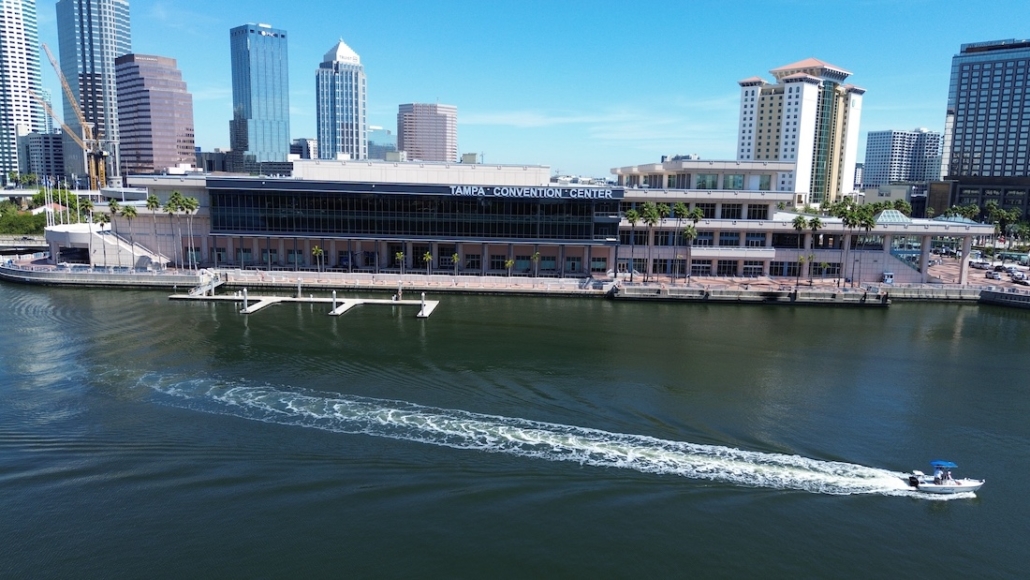
When Tampa Bay’s most iconic venues needed lightning protection they could trust, they called All South. Here’s a look at the landmark projects our team has completed across the region — from an MLB stadium and a waterfront convention center to a historic beachfront resort and a hospital helipad.
Lightning protection at Tampa landmark venues isn’t a nice-to-have — it’s a critical life-safety requirement. The Tampa Bay region sits inside what scientists consistently rank as the most lightning-active corridor in North America. With more cloud-to-ground strikes per square mile than nearly any other metro area in the country, the stakes for public venues, hospitals, hotels, and stadiums are enormous.
For over four decades, All South Lightning Protection has been the contractor of choice when Tampa Bay’s highest-profile institutions needed engineered, code-compliant lightning protection systems. The projects below represent some of the most technically demanding — and most visible — installations in our portfolio.
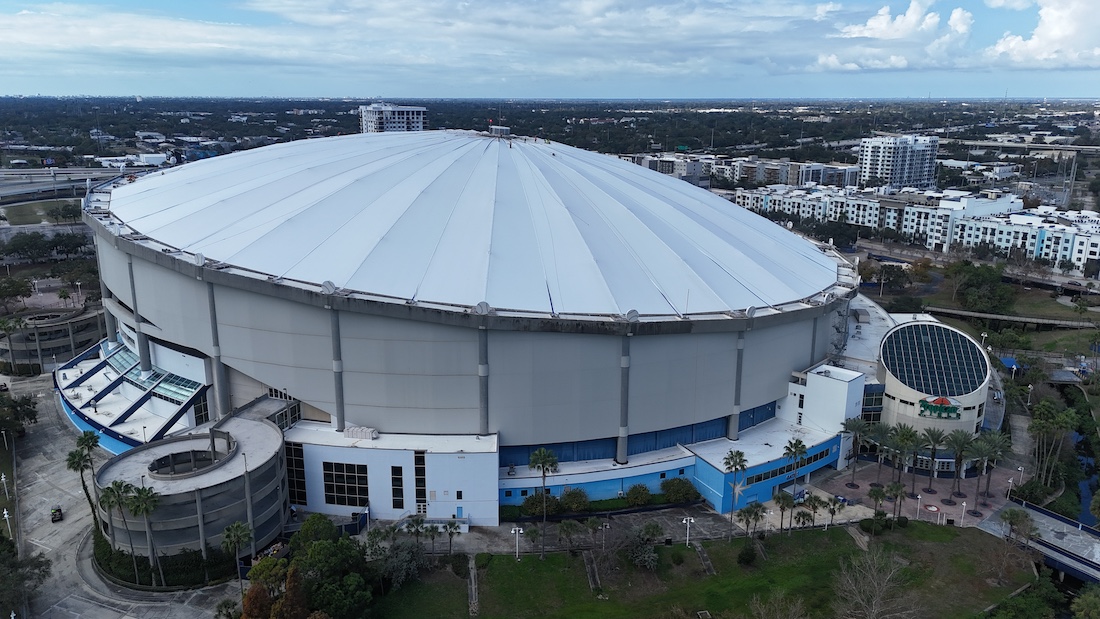
All South Lightning Protection completed the lightning protection system at Tropicana Field, home of the Tampa Bay Rays. Photo: All South project archive.
Why Tampa Bay Demands High-Performance Lightning Protection
Florida leads the nation in lightning fatalities and property damage — and Tampa Bay is ground zero. The combination of warm Gulf moisture, afternoon sea breezes, and flat terrain creates thunderstorm conditions almost daily from June through September. For a public venue hosting thousands of people under a single roof, a lightning strike isn’t just a property damage event. It’s a public safety emergency.
Large commercial structures face compounding risks: sensitive electronics, electrical distribution systems, HVAC and mechanical equipment, fire suppression systems, and, in some cases, medical or life-safety equipment. A single direct strike — or even a near strike — can cause surge damage throughout an entire facility within milliseconds.
Florida Lightning Fact: The Tampa Bay corridor records more lightning strikes per square mile annually than almost any other region in the continental United States, according to data from the National Weather Service Tampa Bay and the NOAA Lightning Safety Council. Proper lightning protection isn’t optional for large public facilities — it’s an engineering responsibility.
All South’s Completed Lightning Protection Projects at Tampa Landmark Venues
The following installations represent the breadth of All South’s commercial and institutional capabilities. Each project was engineered to meet or exceed NFPA 780 and UL 96A standards, using UL-listed materials throughout.
-
Tropicana Field: MLB Stadium — St. Petersburg
-
Tampa Convention Center: Public Convention Facility — Downtown Tampa
-
Zoo Tampa at Lowry Park: Public Zoo — Tampa
-
JW Marriott Tampa: Luxury Hotel — Downtown Tampa
-
Tampa General Hospital: Level I Trauma Center (Helipad) — Tampa
-
The Don CeSar Hotel: Historic Resort — St. Pete Beach
-
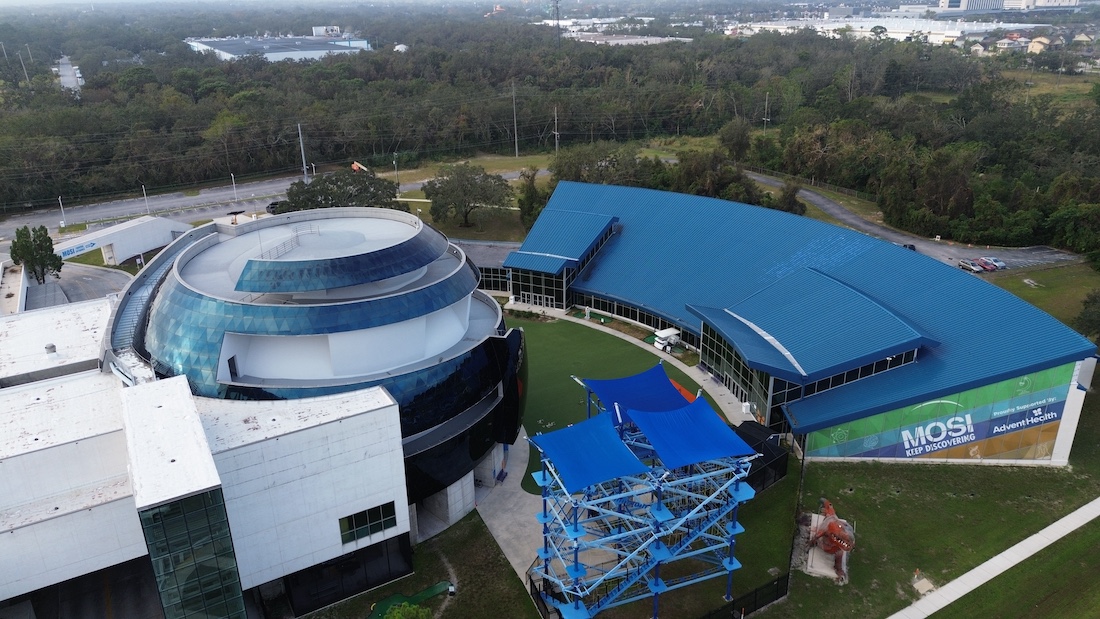
MOSI: Museum of Science & Industry — Tampa
Tropicana Field — Lightning Protection for an MLB Dome
Tropicana Field is home to the Tampa Bay Rays and one of the most structurally distinctive venues in Major League Baseball. Its slanted, fixed-dome roof — designed specifically to minimize interior volume and resist hurricane-force winds — presented an atypical installation surface for our team.
Tropicana Field lightning protection required a system that could interface with the stadium’s tensegrity dome structure while maintaining code compliance and minimal visual impact. All South’s engineers developed an installation plan that used the dome’s structural geometry to position air terminals and run conductor pathways efficiently down to ground terminations.
With capacity crowds of 25,000+ and massive electrical and broadcast infrastructure, ensuring effective bonding and surge suppression throughout the facility was just as important as the primary strike interception system itself.
Tampa Convention Center — Faraday System Installation
The Tampa Convention Center is an award-winning, 600,000-square-foot facility on the downtown waterfront — recognized as one of the best convention centers in the Southeast. Protecting a structure of this scale calls for a more sophisticated approach than a simple Franklin rod system.
All South installed a Faraday system at the Tampa Convention Center. Rather than relying on a single strike termination point, a Faraday system deploys an interconnected mesh of air terminals, roof conductors, and multiple down conductors across the building envelope. This creates a continuous conductive cage that intercepts lightning at any point across the roof and routes energy safely to ground — the standard of protection for large, flat-roofed public buildings.
Tampa Convention Center lightning protection using the Faraday method also provides a meaningful reduction in electromagnetic interference from near strikes — important for a facility that hosts trade shows, broadcast events, and technology-intensive conferences year-round.
What is a Faraday System? A Faraday lightning protection system uses an interlocked network of air terminals, horizontal roof conductors, and multiple down conductors to form a conductive mesh around a building. Unlike a single-rod Franklin system, it intercepts strikes across the entire structure. It is the preferred design for large commercial buildings per UL 96A and NFPA 780.
Zoo Tampa at Lowry Park
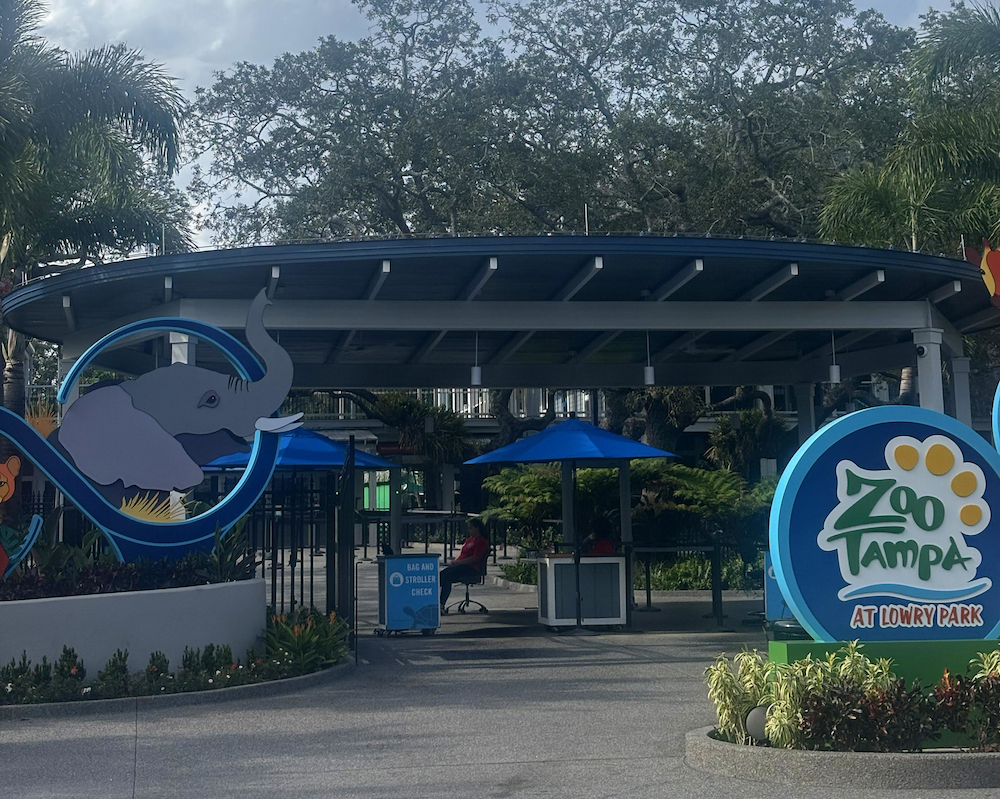
Zoo Tampa at Lowry Park spans over 56 acres of outdoor exhibits, animal habitats, and public gathering areas. Lightning protection here required both structural system design for buildings and facilities throughout the campus, as well as surge suppression for the technology and life-support systems that keep the animals safe. All South’s team designed a system that addressed the open-air, distributed nature of the zoo’s campus footprint.
JW Marriott Tampa Water Street
As one of the most prominent luxury hospitality properties in downtown Tampa, the JW Marriott required a lightning protection system that matched the building’s architectural standards — visible hardware wasn’t an option. All South delivered a high-performance installation that protects the tower and its extensive electrical and AV infrastructure while remaining architecturally discreet.
Tampa General Hospital — Helipad Protection
Hospital helipad lightning protection is among the most critical and technically demanding installations in the commercial sector. At Tampa General Hospital — a Level I Trauma Center — the helipad must remain operational during severe weather windows when lightning risk is highest. All South engineered a helipad protection system that meets the specific requirements for aviation-adjacent structures, ensuring safe approach and departure zones are maintained without compromising strike interception.
For healthcare facilities, lightning protection directly intersects with Joint Commission compliance and life-safety codes. All South has extensive experience navigating healthcare facility requirements across Florida.
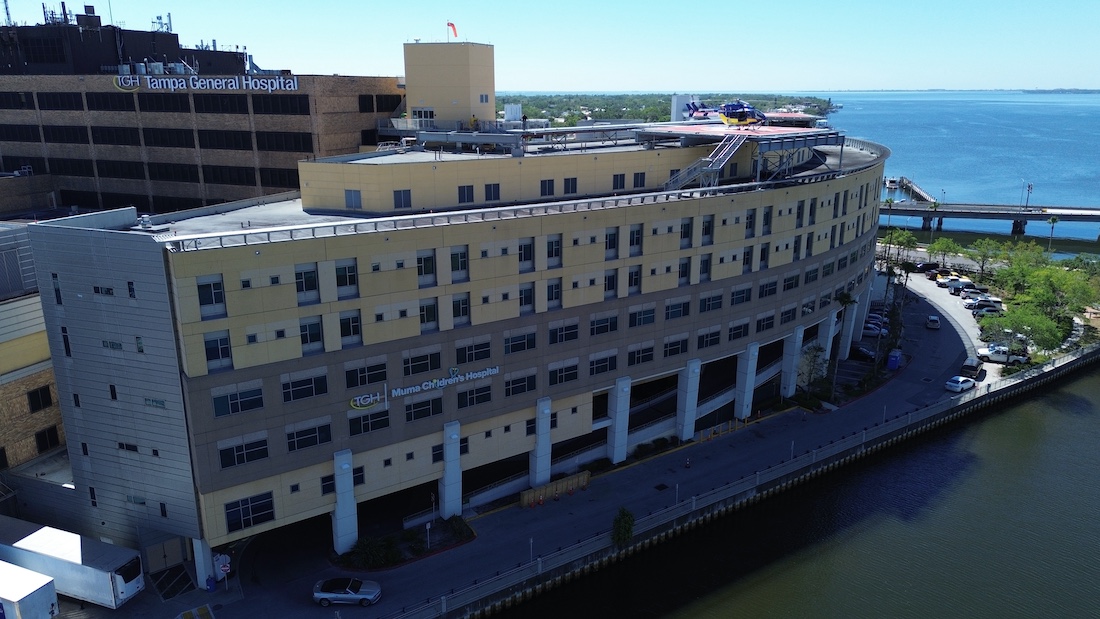
Helipad lightning protection at Tampa General Hospital requires precision engineering to meet aviation and healthcare life-safety standards simultaneously. Photo: All South project archive.
The Don CeSar Hotel
The Don CeSar — St. Pete Beach’s iconic pink palace — has been a Florida landmark since 1928. Protecting a historic structure from lightning requires a unique approach: the installation must comply with modern protection standards while preserving the architectural integrity of a nearly 100-year-old building. All South’s team worked within these constraints to deliver a system that protects the property without altering its historic character.
MOSI — Museum of Science and Industry
MOSI is one of the largest science museums in the southeastern United States, serving as a hands-on educational venue for hundreds of thousands of visitors annually. The campus includes multiple buildings, outdoor exhibit areas, and sensitive scientific equipment. All South installed a comprehensive lightning protection system designed to protect both the structures and the technology infrastructure throughout the facility.
What Sets Landmark-Grade Lightning Protection Apart
Not every lightning protection contractor is equipped for projects at this scale. Landmark installations demand a level of engineering precision, documentation, and coordination that goes well beyond a residential or small commercial job. Here’s what All South brings to every major venue project:
In-house CAD design and signed/sealed drawings. Every All South commercial installation starts with engineered drawings produced by our in-house CAD team. Signed and sealed drawings are available upon request — a requirement for permitting at major public facilities.
UL-listed materials and NFPA 780 compliance. All materials used in our installations are UL-listed and meet NFPA 780 and UL 96A standards. For venues seeking UL Master Label Certification, All South can manage the complete certification process.
Surge suppression integration. A complete protection solution doesn’t stop at the roof. Transient voltage surge suppression (TVSS) throughout the electrical distribution system is essential for protecting electronics, broadcast equipment, and building automation systems from the indirect effects of lightning — including nearby strikes that induce surge currents on utility feeds.
Minimal operational disruption. Major venues operate on tight schedules. All South has the experience to phase installations, work off-hours, and coordinate with facilities teams to complete projects without impacting events or operations.
Frequently Asked Questions
What type of lightning protection system was installed at the Tampa Convention Center?
All South Lightning Protection installed a Faraday system at the Tampa Convention Center. This mesh-based approach uses an interconnected network of air terminals, roof conductors, and down conductors to protect the entire 600,000-square-foot structure — a best-practice solution for large, flat-roofed public buildings.
Did All South Lightning Protection complete work at Tropicana Field?
Yes. All South completed a lightning protection installation at Tropicana Field, home of the Tampa Bay Rays. The project addressed the unique structural challenges of the stadium’s slanted, fixed-dome roof and included conductor routing and grounding designed for the venue’s scale.
What makes a Faraday system different from a standard lightning rod?
A standard Franklin rod relies on a single strike termination point, while a Faraday system creates an interconnected mesh of air terminals, conductors, and grounding paths that distribute lightning energy across the entire building envelope. This makes it far more effective for large commercial structures with complex rooflines.
Why does Tampa Bay need specialized lightning protection for its commercial buildings?
The Tampa Bay region is consistently one of the most lightning-active in North America. Florida records more lightning strikes per square mile than any other state, and the Tampa Bay corridor sits at the heart of that activity. Commercial buildings, stadiums, and healthcare facilities face significant risk without a properly engineered lightning protection system.
Does All South Lightning Protection serve venues outside Tampa?
Yes. While All South is headquartered in Tampa, the company serves clients statewide — including Jacksonville and Broward County — and takes on national projects. Their landmark work across Tampa Bay demonstrates their commercial and institutional expertise at the highest level.