What Does Government Lightning Protection in Broward County Require?
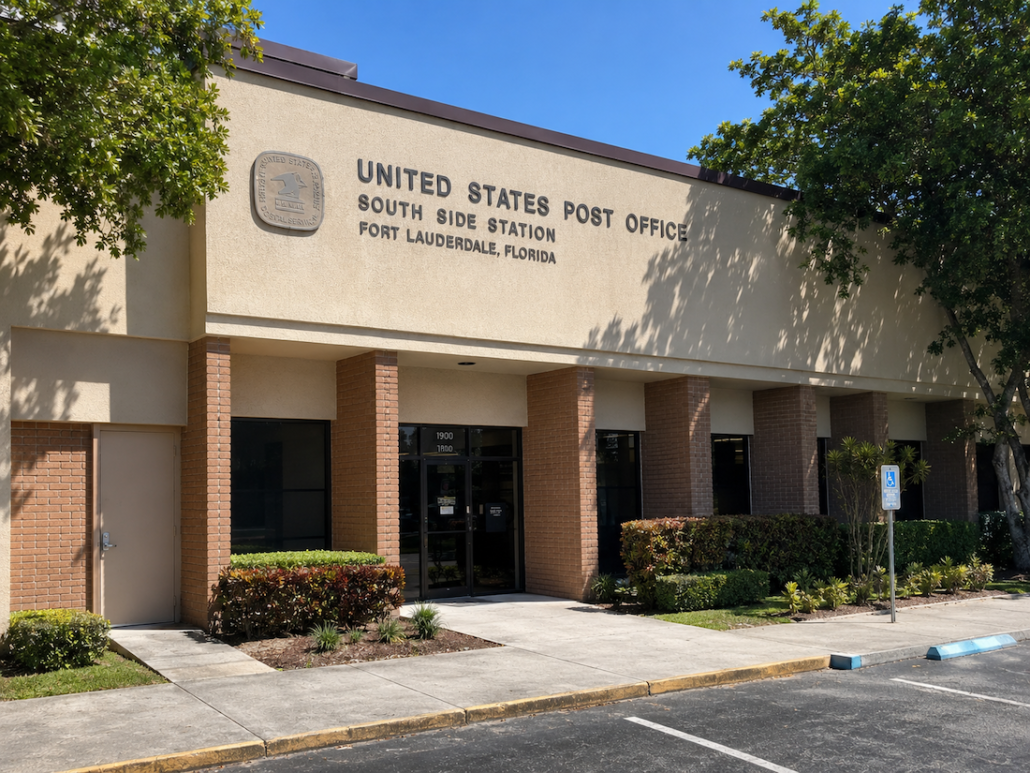
TL;DR: Government lightning protection in Broward County isn’t a commodity purchase — it’s an engineered, documented, and certified system requirement. Here’s what county and federal bid packages actually demand:
- NFPA 780 and UL 96A compliance are the baseline standards for any public-facility lightning protection system in Florida.
- Sealed engineering drawings and a UL Master Label are routinely required line items in government bid packages — not optional extras.
- Federal facilities (Port Everglades, federal courthouses, GSA buildings) often layer on stricter DoD, Army, Air Force, or FAA standards.
- Duty of care gives public agencies a legal incentive to protect occupants — and to document that they did.
- In-house CAD capability is what separates a contractor who can win a government bid from one who can’t.
Government lightning protection in Broward County sits at the intersection of weather risk and public accountability. Florida is the lightning capital of the United States, and Broward sits squarely in its busiest corridor. When the building in question is a county courthouse, a federal facility at Port Everglades, or the Broward County Governmental Center in downtown Fort Lauderdale, the stakes climb fast. You’re no longer protecting a single owner’s property — you’re protecting public employees, visitors, court records, evidence storage, emergency-dispatch systems, and millions of dollars in taxpayer-funded infrastructure.
This guide breaks down exactly what county and federal procurement teams look for, why the paperwork matters as much as the hardware, and how to tell whether a contractor can actually deliver a compliant, bid-ready package.
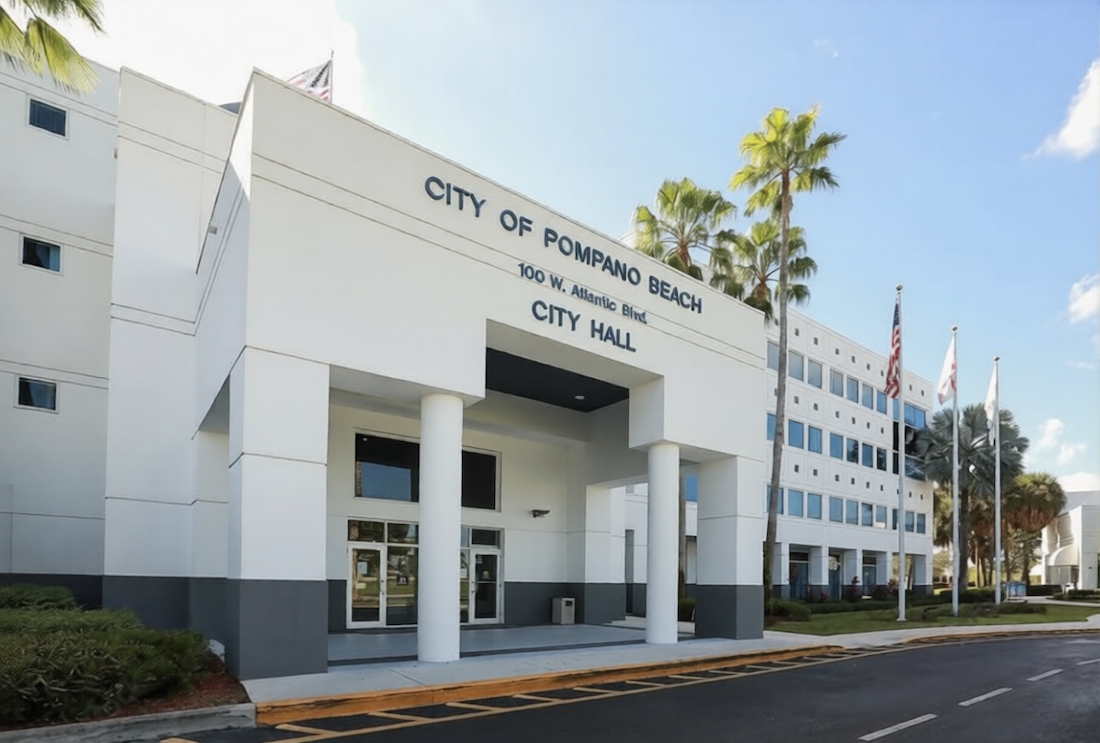
Why Government Buildings in Broward County Can’t Skip Lightning Protection
Broward County averages some of the highest lightning-strike densities in the nation. For a private homeowner, a strike is a bad day. For a public agency, a strike that takes down a 911 dispatch center, a court’s records server, or a detention facility’s security system is an operational and legal crisis.
Public buildings also tend to be the exact structures NFPA 780 flags as high-priority: large rooftop footprints, sensitive electronics, backup power systems, communications towers, and continuous occupancy. The National Fire Protection Association’s NFPA 780 standard exists specifically to safeguard people and property from the fire and electrical hazards a strike creates.
And there’s a code driver behind it now. The 2024 International Building Code added Section 2703, which states that lightning protection systems must be installed in accordance with NFPA 780 or UL 96A. Once that language lands in a local code or a project spec, compliance stops being a recommendation and becomes a requirement the Authority Having Jurisdiction can enforce.
What NFPA 780 and UL 96A Actually Require for Public Facilities
People throw “NFPA 780” and “UL 96A” around like they’re the same thing. They’re not — and on a government bid, the distinction matters.
NFPA 780 is the design and installation standard. It defines the rolling-sphere method, air-terminal placement, conductor sizing, grounding, bonding, and surge protection that make a system work. UL 96A is the installation-requirements standard that UL Solutions inspectors use to verify a completed system in the field.
When a system passes a full UL inspection, the structure can receive a UL Master Label Certificate — independent, third-party proof that the system was installed to standard. That certificate is OSHA-accredited and has been issued to buildings as significant as the White House and the U.S. Department of the Treasury. For a Broward County procurement officer, a Master Label is the cleanest possible answer to the question “how do we know this system actually meets code?”
A few details that trip up the unprepared:
- Master Label Certificates are valid for five years, with annual inspections strongly recommended.
- Surge protection devices on power and communications systems are now part of the IBC compliance picture, not an afterthought.
- Component quality (UL 96 listed materials) and installation quality (UL 96A) both have to be checked out for full certification.
For the deeper technical picture on coordinated surge protection — service-entrance SPDs, branch-panel layering, and protecting rooftop equipment, All South covers it on the commercial surge protection page.
Federal Building Lightning Protection in Florida: A Stricter Bar
Federal building lightning protection in Florida raises the bar above county work. Federal and military facilities frequently mandate compliance with their own specifications on top of NFPA 780 standards like the Department of Defense’s UFC 3-575-01, the Air Force’s AFI 32-1065, the Army’s DA PAM 385-64, and applicable FAA requirements.
Broward has plenty of facilities that fall into this category. Port Everglades hosts federal operations, including Customs and Border Protection activity. Federal courthouses, GSA-managed buildings, and Coast Guard facilities all carry federal procurement rules. A contractor bidding this work needs to read the spec carefully, because “NFPA 780 compliant” and “UFC 3-575-01 compliant” are not interchangeable claims — and a procurement team that catches the difference will toss a non-conforming bid.
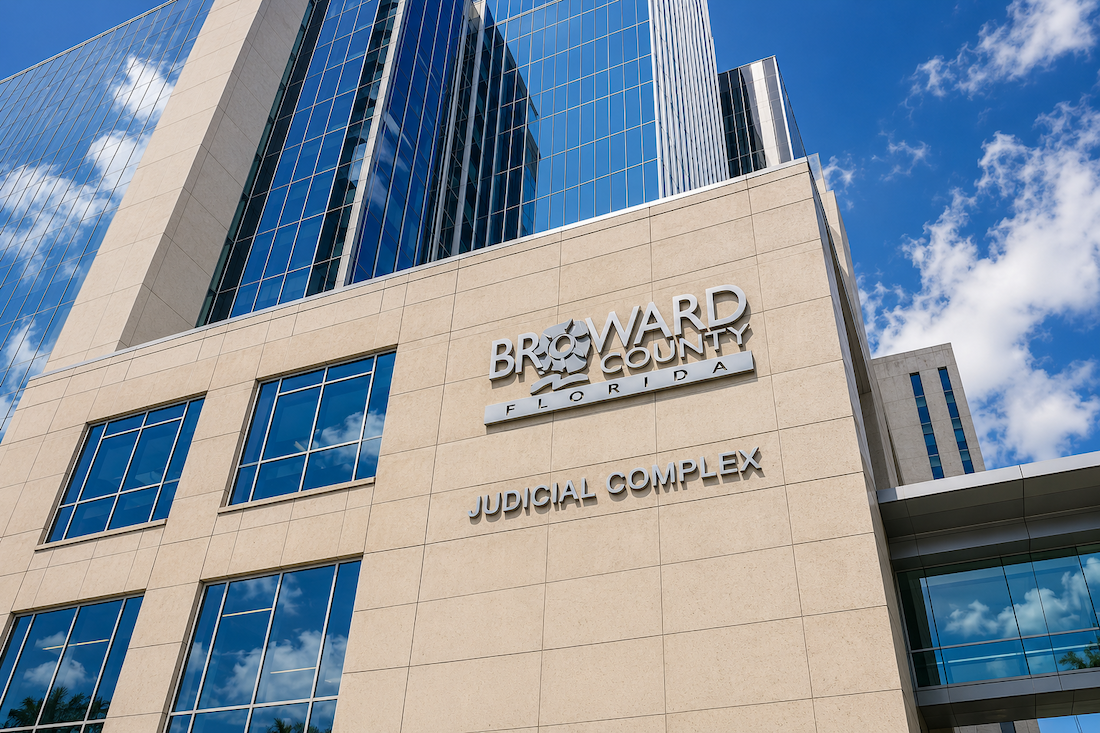
Lightning Protection for Fort Lauderdale Government Bids: The Documentation Problem
Here’s where a lot of contractors quietly fall out of the running. Lightning protection for Fort Lauderdale government bids isn’t won on price alone — it’s won on the completeness of the documentation package.
Broward County runs procurement through its Purchasing Division and an electronic bidding portal, with formal rules including a “cone of silence” during active solicitations and awards generally going to the lowest responsible and responsive bidder. That word “responsive” is the catch. A bid that’s missing required engineering drawings, certifications, or proof of licensure isn’t responsive — and it gets disqualified before price ever enters the conversation.
A typical government lightning protection bid package expects some combination of:
- Signed and sealed engineering drawings of the proposed system
- A documented path to NFPA 780 / UL 96A compliance and Master Label certification
- Proof of a valid Florida electrical contractor license and required bonding
- A scope that addresses surge protection, grounding, bonding, and ongoing inspection
Miss one of those, and the lowest price in the room won’t save you.
County Facility Lightning Protection in Broward: Why Sealed Drawings and CAD Win
County facility lightning protection in Broward almost always hinges on one capability: can the contractor produce signed and sealed engineering drawings in-house, on the timeline the bid demands?
This is where an in-house CAD design team stops being a nice-to-have. Government and large commercial projects frequently require permit-ready, sealed drawings as part of the submittal — and contractors who outsource that work add cost, delay, and a coordination risk every time a revision comes back from the Authority Having Jurisdiction.
All South has spent roughly 40 years designing and installing large-scale systems across Florida, including schools, military bases, and hospitals, with an in-house CAD team that produces signed and sealed drawings on request. That capability is exactly what makes a bid package “responsive” instead of “incomplete.” You can see the breadth of that work on the commercial lightning protection page, and review the surge and continuity considerations specific to Broward in the Broward County surge protection guide.
Duty of Care: The Legal Weight Behind Public Building Protection
Public agencies operate under a duty of care to the people who use their buildings. When a county knowingly operates a high-occupancy facility in the lightning capital of the country without adequate protection, it isn’t just risking equipment — it’s risking liability.
That’s why documentation matters so much in this sector. A UL Master Label and a maintained inspection history don’t only prove the system works; they prove the agency exercised reasonable care. After a strike, “we installed a certified, inspected, code-compliant system” is a very different legal position than “we hoped for the best.”
This is also why inspection isn’t a one-and-done event. Systems get damaged by corrosion, weather, and other trades working on the roof. All South’s inspection and recertification services exist to keep a certified system certified — and to keep that duty-of-care paper trail intact.
How to Vet a Lightning Protection Contractor for a Government Bid
Before you put a contractor’s name on a government submittal, get clear answers to these:
- Can you produce signed and sealed engineering drawings in-house? Outsourcing this adds risk to your timeline.
- Will the completed system be eligible for a UL Master Label? That’s your independent proof of compliance.
- Are you familiar with the specific federal or military standard in this spec? NFPA 780 alone may not be enough.
- Do you hold a valid Florida electrical contractor license and require bonding? A non-responsive bid dies here.
- Do you offer ongoing inspection and recertification? Five-year Master Label cycles and annual checks protect the duty-of-care record.
Frequently Asked Questions
Is lightning protection required for government buildings in Broward County? It depends on the specific code adoption and project spec, but the trend is firmly toward “yes.” The 2024 IBC’s Section 2703 requires lightning protection systems to follow NFPA 780 or UL 96A wherever they’re installed, and many government specs require a complete, certified system outright. The Authority Having Jurisdiction has the final say on a given project.
What’s the difference between NFPA 780 and UL 96A? NFPA 780 is the design-and-installation standard that tells you how to build the system. UL 96A is the installation-requirements standard that UL inspectors use to verify the finished system in the field. A system built to NFPA 780 and inspected to UL 96A can earn a UL Master Label Certificate.
What is a UL Master Label, and why do government bids ask for it? A UL Master Label Certificate is independent, OSHA-accredited proof that a lightning protection system was installed to standard. Government procurement teams ask for it because it removes guesswork — it’s third-party verification of compliance rather than a contractor’s say-so. It’s valid for five years.
Why do sealed engineering drawings matter for county and federal bids? Signed and sealed drawings are frequently a required, permit-ready part of the submittal. A bid missing them is “non-responsive” and can be disqualified regardless of price. In-house CAD capability lets a contractor produce and revise those drawings on the bid’s timeline.
Do federal facilities in Florida follow different rules than county buildings? Often, yes. Federal and military facilities may layer standards like DoD UFC 3-575-01, Air Force AFI 32-1065, Army DA PAM 385-64, or FAA requirements on top of NFPA 780. Contractors bidding for federal work in Broward need to match the exact standard named in the solicitation.
Ready to Build a Bid-Ready Lightning Protection Package?
If you manage procurement, facilities, or engineering for a Broward County or federal facility, you need a lightning protection partner who delivers more than hardware — sealed engineering drawings, NFPA 780 / UL 96A compliance, Master Label certification, and the inspection record that backs up your duty of care.
All South Lightning Protection has protected county, military, healthcare, and commercial facilities across Florida for 40 years, with an in-house CAD team built for exactly this kind of work. Contact All South Lightning Protection to request a consultation or a bid-ready documentation package for your Broward County or federal project.