TL;DR: Government lightning protection in Broward County isn’t a commodity purchase — it’s an engineered, documented, and certified system requirement. Here’s what county and federal bid packages actually demand:
- NFPA 780 and UL 96A compliance are the baseline standards for any public-facility lightning protection system in Florida.
- Sealed engineering drawings and a UL Master Label are routinely required line items in government bid packages — not optional extras.
- Federal facilities (Port Everglades, federal courthouses, GSA buildings) often layer on stricter DoD, Army, Air Force, or FAA standards.
- Duty of care gives public agencies a legal incentive to protect occupants — and to document that they did.
- In-house CAD capability is what separates a contractor who can win a government bid from one who can’t.
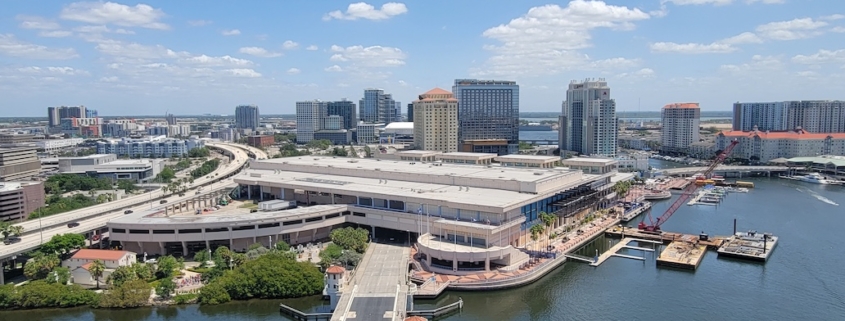
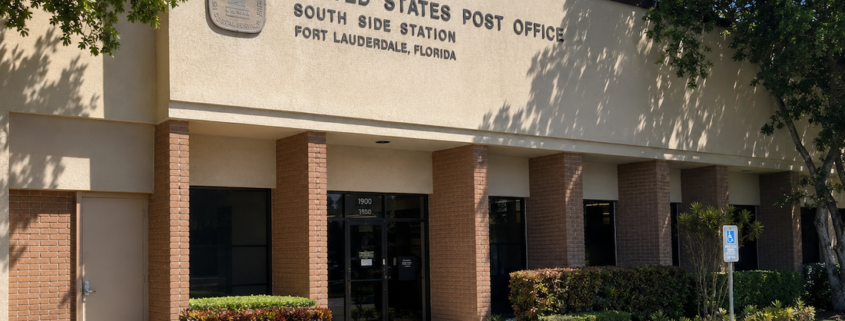
Government lightning protection in Broward County sits at the intersection of weather risk and public accountability. Florida is the lightning capital of the United States, and Broward sits squarely in its busiest corridor. When the building in question is a county courthouse, a federal facility at Port Everglades, or the Broward County Governmental Center in downtown Fort Lauderdale, the stakes climb fast. You’re no longer protecting a single owner’s property — you’re protecting public employees, visitors, court records, evidence storage, emergency-dispatch systems, and millions of dollars in taxpayer-funded infrastructure.
This guide breaks down exactly what county and federal procurement teams look for, why the paperwork matters as much as the hardware, and how to tell whether a contractor can actually deliver a compliant, bid-ready package.