Every year, lightning strikes claim dozens of lives across the United States — and a surprising number of those tragedies happen in public parks. When families gather at playgrounds, picnic shelters, athletic fields, or open green spaces, they trust that those places are safe. But without proper lightning protection for public parks, that trust is a gamble with serious consequences.
At All South Lightning, we specialize in designing and installing lightning protection systems for commercial, municipal, and community properties. In this guide, we’ll walk through why park lightning safety matters, how modern protection systems work, and what community leaders and facilities managers should know before making decisions for their parks.

Why Public Parks Are High-Risk Lightning Zones
Open spaces are among the most dangerous places to be during a thunderstorm. Parks, by design, often feature large open fields, tall isolated trees, metal playground equipment, covered shelters, and elevated bleachers — all of which can become lightning targets or conductors.
According to the National Weather Service, about 20 people are killed by lightning in the U.S. each year, with many more suffering serious injuries. A significant portion of those incidents occur in parks, athletic fields, and other public recreation areas. Children, coaches, and families at little league games are especially vulnerable because people tend to shelter under trees or metal bleachers — two of the worst places to be in a storm.
The challenge is that most public parks were built without any formal outdoor lightning protection systems. A swing set or a covered pavilion may feel like shelter, but without a properly grounded lightning protection system in place, those structures can actually increase danger by creating conductors with no safe path for electrical discharge to reach the ground.
How a Lightning Protection System Works
A complete lightning protection system isn’t just a lightning rod on a rooftop. It’s a coordinated network of components that work together to safely intercept a lightning strike and direct its energy harmlessly into the earth.
Strike Termination Devices (Air Terminals)
These are the visible rods or point devices installed at elevated positions on structures. Their job is to provide a preferred, predictable point for a lightning strike — rather than letting a bolt find its own random path through a structure, a tree, or a person nearby. Properly placed air terminals create what engineers call a “cone of protection” that covers the surrounding area.
Down Conductors
Once a strike is intercepted, the electrical energy needs a safe path to the ground. Down conductors are heavy-gauge cables — typically copper or aluminum — that run along the exterior of structures and connect the air terminals directly to the grounding system. Proper routing and bonding of down conductors is critical to prevent dangerous side flashes.
Grounding Electrodes
At the base of every down conductor, grounding electrodes — typically copper rods driven several feet into the earth — provide the ultimate discharge point for lightning energy. A low-resistance grounding system is essential for the entire system to function safely.
Bonding and Equipotential
All metallic components on a structure — gutters, HVAC, electrical panels, plumbing — need to be bonded together and connected to the grounding system. Without equipotential bonding, different parts of a structure can carry different electrical potentials during a strike, creating dangerous voltage differences that cause injury even without a direct hit.
Surge Protection
Lightning doesn’t have to strike a structure directly to cause damage. Nearby strikes send massive voltage surges through power lines, communication cables, and utility infrastructure. Surge protection devices installed at key entry points guard electrical equipment and keep park facilities like lighting systems and scoreboards safe from indirect strike damage.

Key Locations in a Park That Need Lightning Protection
Not every square foot of a park requires the same level of protection, but certain structures and areas are high priority for any outdoor lightning protection system installation.
Covered Pavilions and Picnic Shelters
Shelters are where people congregate when storms roll in, which makes them one of the most critical structures to protect. A properly equipped shelter should have air terminals at roof peaks, down conductors, a complete grounding system, and clear posted signage about lightning safety. Shelters without lightning protection actually become dangerous gathering points during storms.
Athletic Fields and Bleachers
Soccer fields, baseball diamonds, football fields, and multi-use courts all benefit from lightning protection planning. Metal bleachers and dugout structures are prime candidates for grounding and bonding. Many parks also install lightning detection systems that integrate with warning sirens or lights to alert coaches and spectators when dangerous conditions are approaching.
Playground Equipment
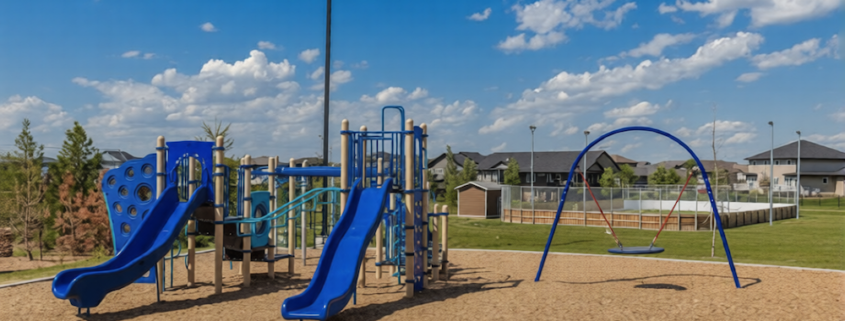
Modern playground structures with metal components need careful bonding to ensure they don’t become isolated conductors. While playground structures themselves are typically bonded to the local ground, a comprehensive park lightning safety plan should assess all play equipment as part of a broader site survey.
Flagpoles and Tall Structures
Flagpoles are classic lightning attractors — tall, metallic, and often isolated in open areas. Any flagpole over a certain height should have a dedicated down conductor and ground connection. The same applies to light poles, communication towers, and any other elevated metallic structures on park grounds.
Restroom Buildings and Concession Stands
Any occupied structure on park grounds should be assessed for lightning protection. Restroom buildings, concession stands, and maintenance facilities all benefit from strike termination devices, grounding, and surge protection for their electrical systems.
Lightning Protection Standards That Apply to Parks
The gold standard for lightning protection design in the United States is NFPA 780, the Standard for the Installation of Lightning Protection Systems. This standard covers the design, materials, installation, and inspection requirements for comprehensive lightning protection systems.
The National Lightning Safety Institute (NLSI) also provides educational resources and guidelines for lightning safety in outdoor and recreational settings. Their materials are frequently referenced by park and recreation departments, school districts, and local governments when developing lightning safety policies.
Additionally, the National Weather Service Lightning Safety Program offers protocols specifically for outdoor recreational facilities, including recommendations for suspension of activities, shelter-in-place procedures, and post-strike wait times.
When All South Lightning designs a protection system for a park or municipal facility, we follow NFPA 780 standards along with local building code requirements to ensure every installation meets or exceeds the required safety benchmarks.
The Role of Lightning Detection Systems
A physical lightning protection system handles what happens when a strike occurs. But community park safety also benefits from proactive warning systems that give park-goers time to seek shelter before a storm arrives.
Modern lightning detection systems use sensors to monitor atmospheric electrical activity and provide real-time alerts when dangerous conditions are building — often 10 to 20 minutes before a storm visibly arrives. These systems can trigger audible sirens, flashing lights, or digital alerts sent to park staff and app users. When integrated with a full protection infrastructure, lightning detection creates a layered safety approach that protects both people and property.
What to Expect from a Professional Lightning Protection Assessment
If you’re a parks director, city facilities manager, or community organization leader thinking about upgrading safety at your park, the process of getting a lightning protection system starts with a professional site assessment.
During an assessment, a certified lightning protection specialist will evaluate the layout and topography of the park, identify all structures that need protection, assess existing electrical infrastructure, and review local code requirements. From there, a detailed system design and cost estimate is prepared — customized to the specific needs of your property.
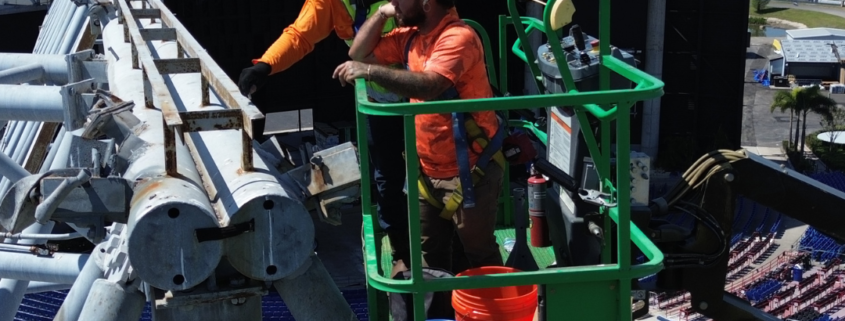
At All South Lightning, we serve parks, municipalities, schools, sports complexes, and commercial properties throughout the Southeast. Our team is trained and certified to design systems that meet NFPA 780 standards and stand up to real-world conditions.
Frequently Asked Questions About Lightning Protection for Parks
Q: Do public parks actually need a lightning protection system? A: Yes. Any public outdoor space with gathering areas — shelters, playgrounds, bleachers, dugouts — presents a genuine lightning risk. Parks without lightning protection leave visitors vulnerable during storms. A properly designed and installed system dramatically reduces the risk of injury or death from lightning strikes.
Q: What does a complete park lightning protection system include? A: A full system includes strike termination devices (air terminals) at elevated points, down conductors to route electrical energy safely, grounding electrodes to discharge that energy into the earth, bonding to connect all metallic components, and surge protection for any electrical equipment on-site.
Q: How much does lightning protection for a public park cost? A: Costs depend on the size of the park, the number of structures involved, existing electrical infrastructure, and local code requirements. All South Lightning offers free site assessments to evaluate your property and provide an accurate, customized quote.
Q: How long does installation take? A: Installation timelines vary based on project scope. A single shelter can often be completed in one to two days. Larger parks with multiple structures may take several days to a week. We work with park schedules to minimize disruption to public use.
Q: Is lightning protection required by law for public parks? A: Requirements vary by state and municipality. Some jurisdictions have specific mandates for public recreational facilities, while others treat it as best practice. Regardless of legal requirements, installing lightning protection is a sound risk management decision for any public facility.
Q: Can existing park structures be retrofitted with lightning protection? A: Absolutely. Most existing shelters, bleachers, and buildings can be retrofitted with a complete lightning protection system. Our team is experienced in working with both new construction and existing structures.