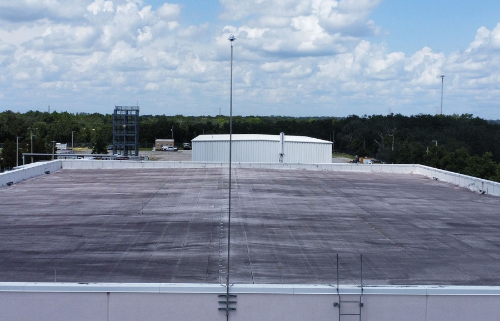
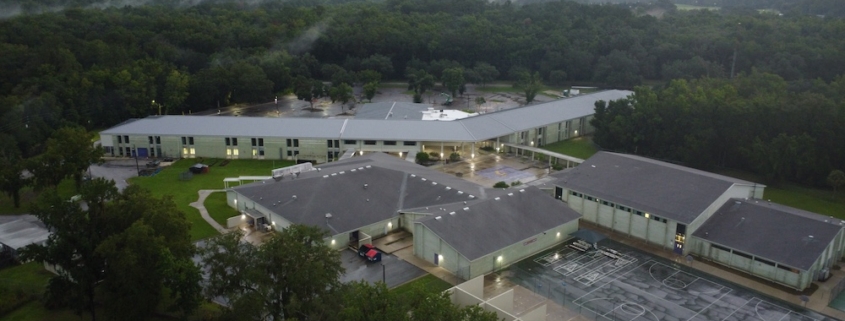
When a single lightning-induced outage can cost your data center between $5,000 and $10,000 per minute in downtime, the question isn’t whether you can afford a certified lightning protection system; it’s whether you can afford to operate without one. Florida averages 76 cloud-to-ground lightning flashes per square mile per year, the highest density in the United States, and that exposure translates directly into financial risk for any facility running mission-critical infrastructure. Read more
https://allsouthlightningprotection.com/wp-content/uploads/2026/07/data-center-lightning-protection-roi-florida.jpg7501000allsouth_Adminhttps://allsouthlightningprotection.com/wp-content/uploads/2025/06/all-south-lightning-protection-upscaled-Logo.pngallsouth_Admin2026-07-15 21:01:012026-07-30 21:02:02Lightning Protection System ROI: The Real Numbers for Data Centers and Commercial Facilities
Before a single insurance claim is filed or a piece of equipment fails, the exposure already exists. Florida’s lightning environment is the most severe in the United States — not by a small margin, but by a wide one. If you manage a commercial facility, school, hospital, data center, or any structure with people and equipment inside it, Florida lightning statistics aren’t background reading. They’re the business case for every protection decision you make. This post lays out the verified numbers, explains what they mean at the facility level, and connects them to the standards and systems that actually reduce risk.
https://allsouthlightningprotection.com/wp-content/uploads/2026/09/All-South-Lightning-Protection-for-data-centers-.png500500allsouth_Adminhttps://allsouthlightningprotection.com/wp-content/uploads/2025/06/all-south-lightning-protection-upscaled-Logo.pngallsouth_Admin2026-07-02 22:08:532026-09-07 22:28:08Florida Lightning Statistics: The Hard Numbers Behind a Non-Optional Risk
TL;DR: When you start comparing lightning protection company options in Tampa, the websites all start to sound the same. Everyone is “trusted.” Everyone is “experienced.” The problem is that lightning doesn’t grade on marketing copy, and neither do the insurers and inspectors who review your building after a strike. What separates a real commercial lightning protection contractor from a parts-and-labor crew is verifiable: years in the field, named projects you can drive past, certifications that survive an audit, and engineering you can hand to an architect. All South has spent 40 years building exactly that record across Florida.
This guide lays out what to actually look for, why it matters for a commercial building, and where the credentials separate the contenders from the pretenders.
https://allsouthlightningprotection.com/wp-content/uploads/2026/06/Lightning-Preventor-at-PGA-Hall-of-Fame.jpg5631000allsouth_Adminhttps://allsouthlightningprotection.com/wp-content/uploads/2025/06/all-south-lightning-protection-upscaled-Logo.pngallsouth_Admin2026-06-22 22:03:302026-06-23 22:49:52How to Choose a Lightning Protection Company in Tampa
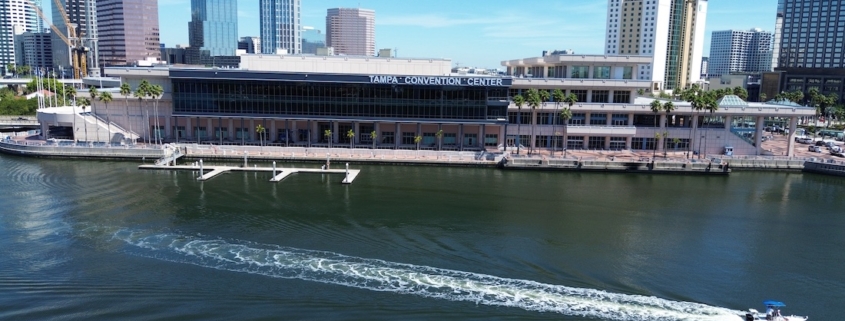
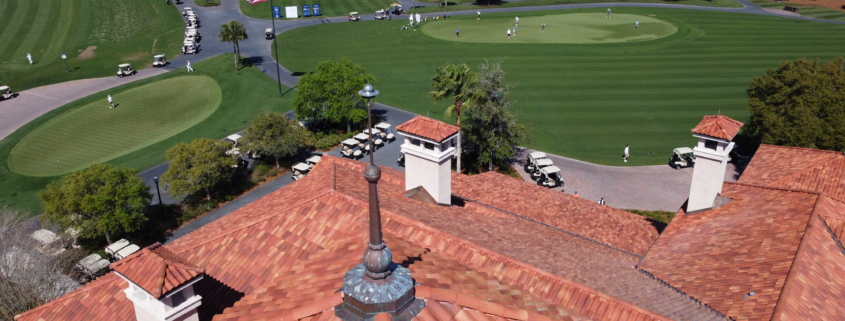
When Tampa Bay’s most iconic venues needed lightning protection they could trust, they called All South. Here’s a look at the landmark projects our team has completed across the region — from an MLB stadium and a waterfront convention center to a historic beachfront resort and a hospital helipad.
Your building has a certified lightning protection system. The UL Master Label is on file, the five-year clock is running, and you’ve checked that box. Then a roofer pulls permits to replace the membrane, or a mechanical contractor drops a new 20-ton rooftop unit on the northwest corner, or a summer storm puts a direct strike on the east parapet. Any one of those three events can render your UL 96A certification invalid before the ink on the work order dries — and most facility managers don’t find out until an insurance auditor or a Joint Commission surveyor asks for the current certificate. This article is for the buildings that already have a system. It covers exactly which events trigger a recertification requirement under UL 96A (14th edition, 2023) and NFPA 780, what the inspection process looks like, and how to get back into compliance without replacing anything you don’t have to.
https://allsouthlightningprotection.com/wp-content/uploads/2026/09/ul-96a-inspection-grounding-florida.png500500allsouth_Adminhttps://allsouthlightningprotection.com/wp-content/uploads/2025/06/all-south-lightning-protection-upscaled-Logo.pngallsouth_Admin2026-05-02 21:20:302026-09-07 21:24:17Three Events That Void Your UL 96A Certificate
Benjamin Franklin’s pioneering work revealed a fundamental truth: while we cannot control nature’s fury, we can intelligently guide its immense power. His principle of providing a safe path for electrostatic discharge is the cornerstone of modern safety engineering for any tall or valuable structure.
Today’s commercial and industrial facilities face the same unpredictable threat. A direct strike carries catastrophic potential, with temperatures hotter than the sun’s surface and voltages in the millions. Without a dedicated defense network, this raw energy seeks any path, often through a building’s wiring, framework, or plumbing.
The consequence is not just a loud bang and a flash. It can lead to devastating fires, destroyed electronic equipment, and compromised structural integrity. The financial and human cost is immense. Implementing a purpose-built solution is not a luxury; it is a critical responsibility for facility managers and property owners.
This guide explores how a correctly engineered and installed safety system functions. It acts as a proactive shield, intercepting a strike and channeling its tremendous force harmlessly into the earth. This process preserves your physical assets and, most importantly, ensures the safety of everyone inside.
Key Takeaways
Modern facilities require a dedicated defense against nature’s powerful electrical discharges.
A robust system serves as the primary shield for a structure’s physical and electrical integrity.
Proper installation mitigates extreme risks to both property and human life.
Advanced engineering is needed to safely manage the immense energy involved.
The core function is to create a controlled, low-resistance path to the ground.
This proactive measure is essential for compliance, insurance, and risk management.
Protecting your investment goes beyond the building itself to include all internal operations.
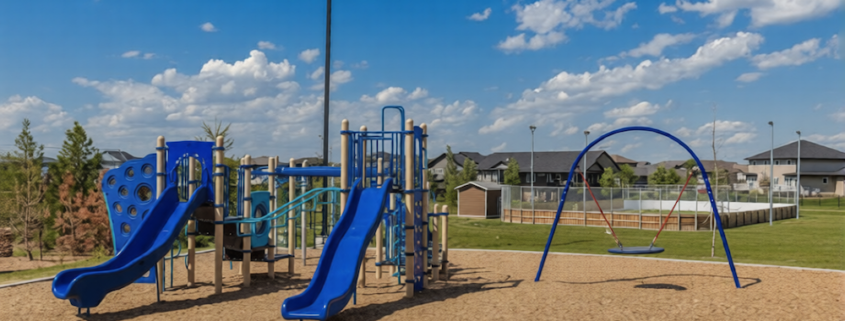
Every year, lightning strikes claim dozens of lives across the United States — and a surprising number of those tragedies happen in public parks. When families gather at playgrounds, picnic shelters, athletic fields, or open green spaces, they trust that those places are safe. But without proper lightning protection for public parks, that trust is a gamble with serious consequences.
At All South Lightning, we specialize in designing and installing lightning protection systems for commercial, municipal, and community properties. In this guide, we’ll walk through why park lightning safety matters, how modern protection systems work, and what community leaders and facilities managers should know before making decisions for their parks.
https://allsouthlightningprotection.com/wp-content/uploads/2026/03/outdoor-lightning-protection-system-park-shelter.png6751000allsouth_Adminhttps://allsouthlightningprotection.com/wp-content/uploads/2025/06/all-south-lightning-protection-upscaled-Logo.pngallsouth_Admin2026-03-03 13:32:002026-03-31 23:51:49Building Safer Communities: Lightning Protection for Public Parks
Weather patterns in the United States are getting wilder and harder to predict. This makes it risky for property owners. Buildings need a strong lightning protection system to handle the huge energy of a lightning strike.
Homeowners must keep their buildings safe from fire damage caused by electrical surges. Using top-notch hardware helps direct high-voltage energy to the ground safely. Protecting your property is not just luck; it needs expert engineering.
Choosing the right safety measure means knowing your local weather risks and building materials. Many businesses use emergency services lightning protection to stay safe during storms. Regular upkeep makes sure these systems work well when needed.
Teams with special skills ensure all parts work together for your safety. A grounded network lowers the risk of electrical fires. Protecting your investment from nature is a wise move.
Key Takeaways
Directing high-voltage strikes safely into the earth to prevent damage.
Reducing the risk of electrical fires in residential and commercial areas.
Essential safety solutions for hospitals and critical infrastructure centers.
Professional installation ensures the long-term reliability of all safety devices.
Fast response times help minimize expensive downtime during storm seasons.
Compliance with national fire safety standards is critical for insurance.
https://allsouthlightningprotection.com/wp-content/uploads/2026/03/Custom-Preventor-Finial-at-PGA-Course-scaled.jpg14402560allsouth_Adminhttps://allsouthlightningprotection.com/wp-content/uploads/2025/06/all-south-lightning-protection-upscaled-Logo.pngallsouth_Admin2026-02-26 15:37:002026-03-05 03:39:51Expert Emergency Lightning Protection for Your Safety
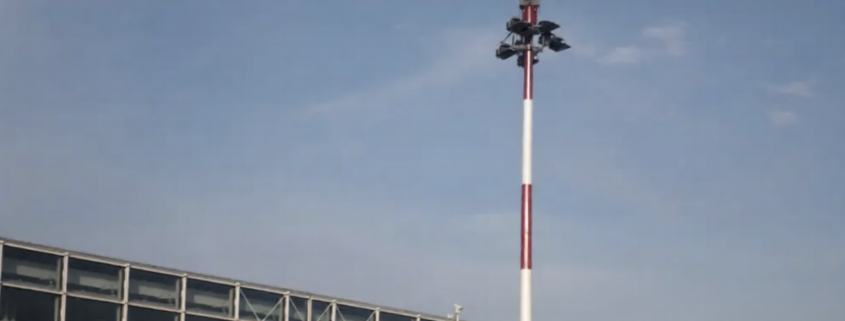
A single lightning strike to an unprotected commercial building can trigger equipment failures, data loss, fire, and liability exposure — all within milliseconds. Yet some of the most persistent lightning protection myths still shape purchasing decisions, delay system upgrades, and leave Florida facilities dangerously exposed. With roughly 1.4 million cloud-to-ground strikes hitting Florida every year and more than $2.6 billion in lightning-related insurance claims paid out between 2021 and 2024, the cost of acting on bad information is measurable. This post breaks down the five myths we hear most often — from school superintendents, facility managers, and risk officers — and replaces each one with the technical reality that actually governs compliant system design. Read more
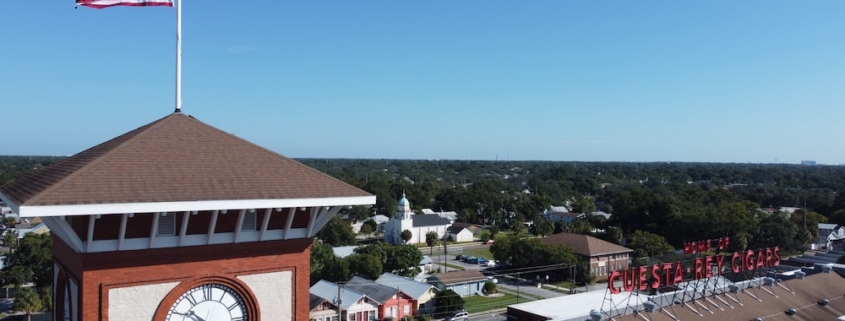
Historic buildings represent irreplaceable pieces of our cultural heritage, yet they face significant risks from severe weather events. Their age, traditional construction methods, and architectural significance create unique vulnerabilities that demand specialized protection strategies.
Each year, lightning strikes cause over $1.2 billion in property damage across the United States, with individual claims averaging more than $18,000. For historic landmarks, the stakes are even higher—these structures cannot simply be rebuilt when damaged.
This case study examines how one iconic structure successfully implemented comprehensive lightning protection while maintaining its historical integrity, offering valuable lessons for building owners and preservation specialists.
https://allsouthlightningprotection.com/wp-content/uploads/2026/01/Flagpole-Preventor-on-JC-Newman-Cigar-Factory-Historical.jpg5631000allsouth_Adminhttps://allsouthlightningprotection.com/wp-content/uploads/2025/06/all-south-lightning-protection-upscaled-Logo.pngallsouth_Admin2026-01-06 00:25:002026-01-21 02:48:41Lightning Protection for Historic Buildings: A Comprehensive Case Study