Expert Emergency Lightning Protection for Your Safety

Weather patterns in the United States are getting wilder and harder to predict. This makes it risky for property owners. Buildings need a strong lightning protection system to handle the huge energy of a lightning strike.
Homeowners must keep their buildings safe from fire damage caused by electrical surges. Using top-notch hardware helps direct high-voltage energy to the ground safely. Protecting your property is not just luck; it needs expert engineering.
Choosing the right safety measure means knowing your local weather risks and building materials. Many businesses use emergency services lightning protection to stay safe during storms. Regular upkeep makes sure these systems work well when needed.
Teams with special skills ensure all parts work together for your safety. A grounded network lowers the risk of electrical fires. Protecting your investment from nature is a wise move.
Key Takeaways
- Directing high-voltage strikes safely into the earth to prevent damage.
- Reducing the risk of electrical fires in residential and commercial areas.
- Essential safety solutions for hospitals and critical infrastructure centers.
- Professional installation ensures the long-term reliability of all safety devices.
- Fast response times help minimize expensive downtime during storm seasons.
- Compliance with national fire safety standards is critical for insurance.
Understanding the Critical Need for Lightning Protection
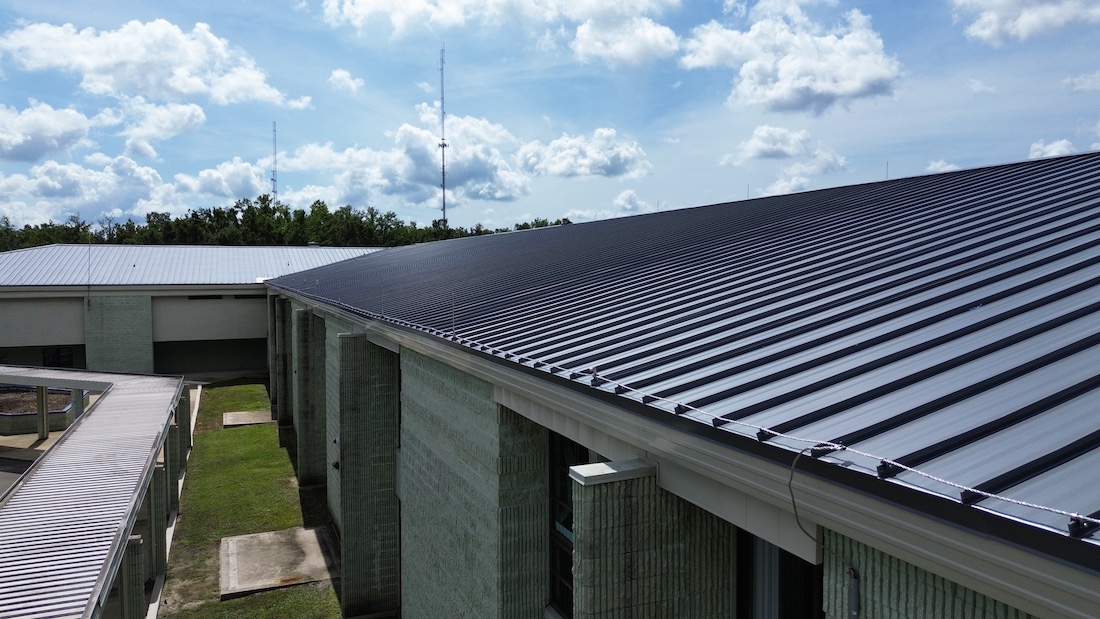
Lightning strikes are a big threat to people and buildings. They happen often in the United States. It’s important for everyone to know the risks and take steps to stay safe.
Lightning Strike Statistics in the United States
Lightning strikes are common in the U.S., with some areas being hit more often. Lightning strikes kill and hurt many people every year. Knowing these numbers helps us understand the danger.
Property Damage and Safety Risks from Lightning Strikes
Lightning can damage buildings and electrical systems. It also poses a big risk to people, causing injuries and deaths. Effective lightning protection services can help by guiding the electrical discharge safely to the ground.
Financial Impact of Unprotected Structures
Lightning strikes can cost a lot to fix, including repairs and replacing damaged equipment. They can also cause businesses to lose money. Working with a reputable lightning protection company can save money by protecting buildings.
How Lightning Protection Systems Work

It’s important to know how lightning protection systems work. They keep buildings and people inside safe from lightning strikes. These systems guide the electrical discharge safely to the ground.
Components of a Complete Lightning Protection System
A complete system has several key parts. These include air terminals, conductor networks, and grounding systems. They all work together to protect a structure.
Air Terminals and Their Placement
Air terminals, or lightning rods, attract lightning strikes. They are placed carefully to ensure the best protection. This depends on the building’s design and its surroundings.
Conductor Networks and Pathways
Conductor networks guide the lightning strike from the air terminals to the grounding system. These conductors are made to be very conductive and strong.
Grounding Systems
The grounding system is the last step for the lightning discharge. It safely sends the discharge into the earth. A good grounding system is key to the system’s success.
The Science Behind Safe Lightning Dissipation
The science behind safe lightning dissipation is simple. It provides a preferred path for the lightning strike. This way, the system keeps the structure and its occupants safe. The components work together to direct the electrical discharge to the ground safely.
Emergency Services Lightning Protection: When You Need Immediate Help
When lightning strikes, quick access to emergency lightning protection services is key. Properties at risk need fast, effective measures to avoid damage.
Emergency lightning protection is essential for safety. Lightning strikes can cause fires, damage buildings, and disrupt electrical systems. This can lead to financial loss and danger.
Warning Signs Your Property Needs Emergency Lightning Protection
Knowing when your property needs emergency lightning protection is vital. Look out for these signs:
- Recent lightning strikes nearby
- Damage to current lightning protection systems
- More thunderstorms in your area at certain times
- Old or non-compliant lightning protection systems
24/7 Emergency Response and Rapid Deployment
Lightning protection services are ready 24/7. Teams can quickly respond, reducing damage and downtime.
Post-Strike Damage Assessment and Immediate Repairs
After a strike, a detailed damage check is done. Then, quick repairs fix the system and protect your property from future strikes.
| Service | Description | Benefits |
|---|---|---|
| Damage Assessment | Comprehensive evaluation post-strike | Identifies areas of damage and needed repairs |
| Immediate Repairs | Swift restoration of lightning protection systems | Minimizes risk of further damage or safety hazards |
| Temporary Protection Measures | Interim solutions until permanent repairs are made | Provides continuous protection against lightning strikes |
Temporary Protection Measures
When quick, permanent fixes aren’t possible, temporary measures are used. These keep your property safe until a lasting solution is installed.
Understanding the value of emergency services, lightning protection, and knowing when to act can greatly reduce lightning risks.
Types of Lightning Protection Equipment
To keep buildings safe from lightning, it’s key to know about lightning protection equipment. A good system has many parts. Each part is vital for protecting buildings and people inside.
Air Terminals and Strike Termination Devices
Air terminals, or lightning rods, draw lightning strikes away from buildings. They are placed on the highest points of a building. These devices are made of materials that conduct electricity well.
Main and Down Conductor Systems
The main and down conductor systems guide lightning safely to the ground. They are made to carry lightning current easily.
Grounding Electrodes and Earth Termination Networks
Grounding electrodes and earth termination networks help absorb lightning energy into the earth. They make sure lightning doesn’t harm the building.
Surge Protection Devices for Electrical Systems
Surge protection devices (SPDs) guard electrical systems from lightning-caused voltage spikes. SPDs keep equipment safe, ensuring power stays on.
Residential Lightning Protection Solutions
Lightning storms are getting more common, making it urgent to have good lightning protection at home. Homeowners need to keep their families safe and protect their valuable things.
Custom Home Lightning Protection System Design is key to making sure each home gets the right protection. A custom system considers the home’s size, structure, and where it’s located.
Custom Home Lightning Protection System Design
A good lightning protection system has a few important parts. These include:
- Air terminals to catch lightning strikes
- Down conductors to safely guide the electrical discharge
- Grounding electrodes to send the energy into the earth
Protecting Your Family and Valuable Assets
The main aim of lightning protection at home is to keep families and their belongings safe. It protects the home’s structure, electrical systems, and electronics from lightning damage.
Integration with Existing Home Systems
Good lightning protection also means linking the system with your home’s current systems. This gives full protection and reduces risks.
By getting a professional to design and install a lightning protection system, homeowners can feel secure. They know their homes are safe from lightning strikes.
Commercial Lightning Protection Services
Lightning protection for commercial buildings is more than just safety. It’s a key part of keeping businesses running smoothly. Companies face big challenges from lightning strikes, like protecting valuable stuff and keeping operations going.
Businesses need complete lightning protection to handle these risks. A good lightning protection system is vital for keeping commercial properties safe.
Business Continuity and Critical Asset Protection
Commercial lightning protection services aim to keep businesses running without stops. They focus on protecting important things like equipment, data, and people.
NFPA 780 and Building Code Compliance
Following standards like NFPA 780 is key to commercial lightning protection. These rules help guide the setup, installation, and upkeep of lightning protection systems.
Multi-Story Building Protection Strategies
Lightning protection for tall buildings is a big challenge. Good strategies include using air terminals, down conductors, and grounding systems to safely handle lightning strikes.
By using these strategies, commercial buildings can lower the risk of lightning strikes a lot. This makes the place safer for everyone and helps keep the business running smoothly.
Industrial Lightning Protection Applications
Lightning strikes are a big threat to industrial operations. They need strong protection to avoid damage. Industrial places, with their complex setup and dangerous materials, need full lightning protection. This ensures they can keep working safely.
High-Risk Facility Protection Requirements
Places like factories, oil refineries, and chemical plants are at high risk. They have flammable stuff and can get badly damaged by lightning. Lightning protection installation here must follow strict rules. This is to stop fires, explosions, and harm to the environment.
Specialized Systems for Manufacturing Plants
Manufacturing plants need special lightning protection. It must guard against direct hits, surge issues, and fires in flammable areas. Custom-designed systems fit each plant’s unique setup and how it works.
Protection for Storage Tanks and Hazardous Material Facilities
Storage tanks with dangerous stuff are very risky for lightning strikes. These can start fires or explosions. Good lightning protection covers the tanks, the area around them, and pipes and gear nearby. It’s key to keep these risks low.
With the right industrial lightning protection, risks from lightning go down. This makes the workplace safer and cuts down on losses.
Professional Lightning Protection Installation Process
Installing lightning protection is a detailed process. It starts with an assessment and ends with certification. This careful process protects properties from lightning strikes.
Comprehensive Site Assessment and Risk Analysis
The first step is a detailed site assessment and risk analysis. This phase finds weak spots and picks the best protection for the property.
Custom System Design and Engineering
After the assessment, a custom system is designed. It’s tailored to the property’s needs. The right parts are chosen and set up for the best protection.
Installation Standards and Best Practices
Following strict installation standards is key. This includes meeting specific certification rules.
UL 96A Certification Requirements
The UL 96A standard sets safety and performance rules for lightning systems. It ensures they are safe and work well.
LPI 175 Standard Compliance
The LPI 175 standard also checks the system’s design and installation. It makes sure the system protects against lightning strikes.
Final Testing and System Certification
After installation, the system is tested thoroughly. This test checks if the system works well. If it does, the system gets certified. This means the property is well-protected.
Lightning Protection System Maintenance and Inspection
To keep lightning protection working well, regular checks are key. A lightning protection system needs ongoing inspections to stay effective. It’s not something you can just set up and forget about.
Annual Inspection Schedules and Requirements
Annual checks are vital to catch problems early. These should be done by certified experts. They can check if the system meets current standards.
Common System Issues and Preventive Maintenance
Lightning protection systems can face issues like corrosion and weather damage. Regular upkeep helps spot and fix these problems. This keeps the system running smoothly.
Post-Storm Inspection Protocols
After a big storm, check your lightning protection system for damage. Look at air terminals, down conductors, and grounding systems. Quick checks help ensure the system is ready for the next storm.
Following these maintenance and inspection steps helps keep your lightning protection system in top shape. It offers ongoing protection against lightning and related dangers.
Choosing the Right Lightning Protection Company
Finding the right lightning protection company is key to keeping your property safe. A good company will make sure your lightning protection system works well. They will install and maintain it to the highest standards.
Essential Certifications and Qualifications
When looking for lightning protection services, check for certifications and qualifications. These show a company’s skill and dedication to following industry rules.
Lightning Protection Institute Certification
A company with the Lightning Protection Institute (LPI) certification knows how to do the job right. LPI certification means they meet or beat industry standards.
Underwriters Laboratories Listing
Underwriters Laboratories (UL) listing is also important. It shows the company’s products and services have passed safety tests.
Critical Questions to Ask Before Hiring
Before you hire a lightning protection company, ask the right questions. Here are some to consider:
- What experience do you have with projects like mine?
- Can you show me references or case studies?
- What certifications and qualifications do you have?
- How do you keep up with new industry trends?
Evaluating Experience and Track Record
A company’s past projects and client satisfaction are important. Look for a company with a good track record and happy clients.
By looking at these factors, you can make a smart choice. Choose a lightning protection company that fits your needs and keeps your property safe.
Benefits of Professional Lightning Protection Services
Choosing professional lightning protection services means your property is safe from lightning damage. It’s more than safety; it’s an investment in your property’s future.
Long-Term Cost Savings and ROI
Professional lightning protection saves money in the long run. It prevents damage to buildings and electrical systems. This means less money spent on repairs and maintenance.
Insurance Premium Reductions and Coverage Benefits
Insurance companies often give discounts to properties with lightning protection. This can lead to big savings on insurance costs over time.
Enhanced Property Value
A lightning protection system can make your property more valuable. It shows you’re serious about safety, which attracts buyers.
Peace of Mind and Complete Safety Assurance
The biggest benefit is the peace of mind that comes with protection. Professional services ensure your property and everyone in it are safe from lightning strikes.
The advantages of professional lightning protection are clear:
| Benefit | Description | Impact |
|---|---|---|
| Long-Term Cost Savings | Reduced repair and maintenance costs | Financial Savings |
| Insurance Premium Reductions | Lower insurance premiums | Annual Savings |
| Enhanced Property Value | Increased attractiveness to buyers | Property Appreciation |
| Peace of Mind | Comprehensive safety assurance | Emotional Well-being |
Conclusion
Expert emergency services lightning protection is key to keeping lives and property safe from lightning strikes. A full lightning protection system is not just a precaution. It’s a must for homes, businesses, and industrial sites.
Industrial lightning protection needs special solutions to guard high-risk places and gear. By choosing professional lightning protection services, owners meet NFPA 780 and other standards. This lowers the chance of damage and financial loss.
In short, the role of emergency services in lightning protection is vital. With the right protection, people and companies can feel secure. They know their properties and assets are safe from lightning’s unpredictability.