Lightning Protection in New Construction: Integrating Systems in the Building Phase
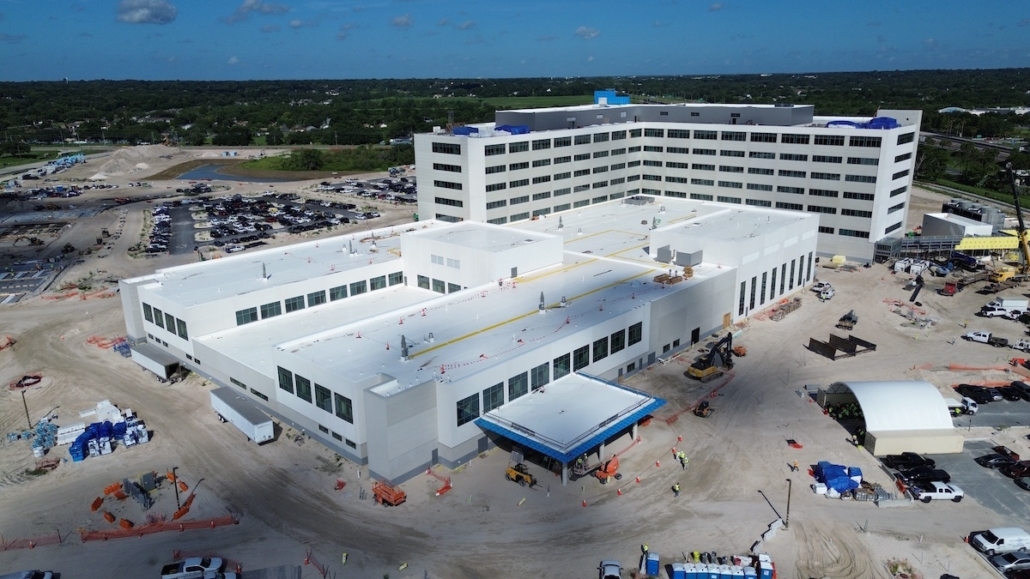
Building a structure requires careful planning for long-term safety. One critical element often overlooked is defense against electrical storms. When planned from the start, these safety measures become part of the building’s core design.
Industry data reveals staggering numbers. Lightning strikes cause over $1 billion in property damage to American homes each year. In 2022 alone, insurance providers paid nearly $950 million to 62,000 policyholders for related claims. Up to 5% of all commercial insurance cases involve this powerful force of nature.
A single bolt carries immense power, ranging from 100 million to 1 billion volts. This energy demands robust engineering to channel it safely away. Modern building practices now address this threat at the foundational level.
This guide covers technical components and strategic planning for code compliance. We’ll explore material specifications and maintenance protocols. Properly designed and installed systems can virtually eliminate risks, making damage preventable.
Overview of Lightning Protection in New Construction
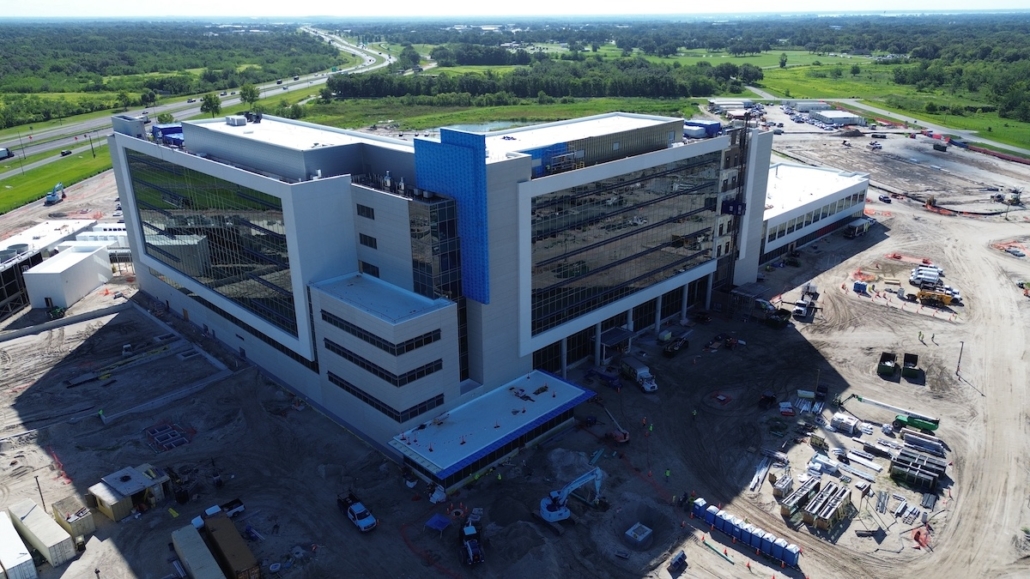
A complete lightning defense setup functions as a unified safety network for a structure. Its core purpose is to manage the immense energy from a strike safely.
This safety infrastructure intercepts, channels, and dissipates electrical energy. It prevents damage to the building and sensitive equipment.
The National Fire Protection Association outlines five essential parts. Each component has a specific, critical role in the overall defense mechanism.
Understanding these elements is key to grasping how the setup works as a whole.
| Component | Primary Function | Key Details |
|---|---|---|
| Air Terminals | Intercept the strike | Installed on high points; formerly called lightning rods. |
| Cable Conductors | Create a current path | Heavy-duty metal cables connecting terminals to ground. |
| Bonding Connections | Prevent side-flashing | Links the system to other metal objects like HVAC units. |
| Grounding Electrodes | Dissipate energy safely | Typically 10-foot rods driven into the earth. |
| Surge-Protection Devices | Guard utility lines | Installed where wires enter, protecting against surges. |
When integrated early on, these parts work in harmony. This early coordination ensures seamless defense that is difficult to replicate later.
The system provides a controlled path for the electrical charge. This direct route to the ground is the foundation of its safety.
Key Components of an Effective Lightning Protection System
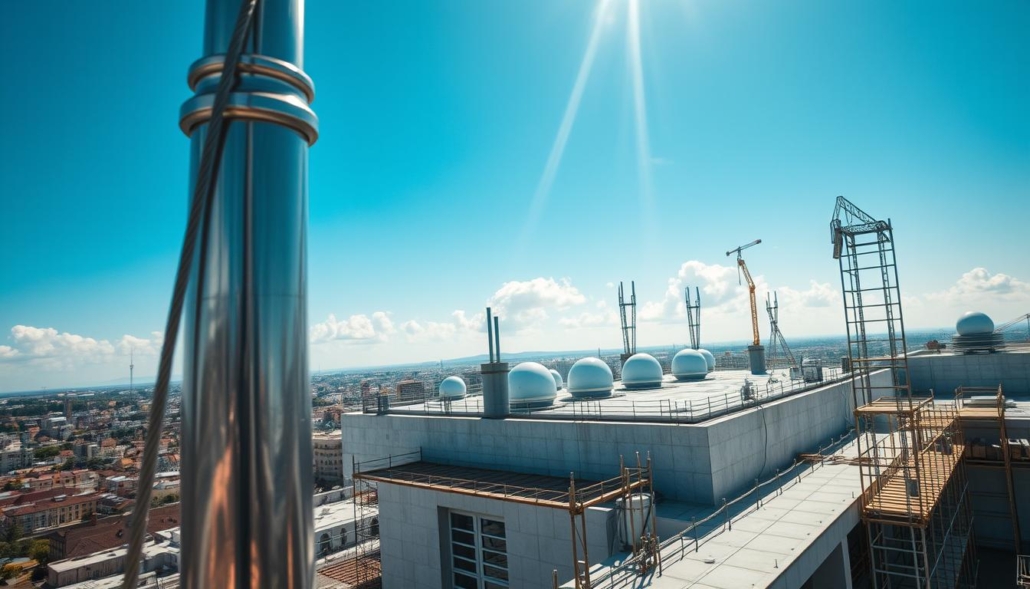
The effectiveness of the entire network depends on the quality and placement of its key parts. Two of the most critical elements are the strike interception points and the energy dissipation infrastructure.
Air Terminals and Strike Termination Devices
These devices, once called rods, form the first line of defense. They are installed on the highest points of a structure.
This positioning creates the most likely point for intercepting a strike. Proper installation is crucial for comprehensive coverage.
Mounting methods must preserve the building’s structural integrity. Terminals are typically placed within two feet of the roof’s edge.
Correct spacing ensures no area is left vulnerable. This strategic placement guides the immense electrical charge away from the facility.
Grounding Electrodes and Cable Conductors
Heavy-duty metal cables provide the essential path for current. They connect the air terminals to the grounding electrodes below.
These conductors must handle extreme energy loads. Their sizing is based on the structure’s height and surface area.
The grounding electrodes are the final step in the safety chain. Industry standards often specify ten-foot-long, copper-clad steel rods.
This material combines copper’s superior conductivity with steel’s strength. It offers optimal electrical performance and long-term corrosion resistance.
| Component | Primary Specification | Installation Detail |
|---|---|---|
| Air Terminals | Positioned on highest points | Spaced for full roof coverage |
| Cable Conductors | Heavy-duty metal cables | Direct, low-resistance routing |
| Grounding Electrodes | 10-foot copper-clad steel rods | Buried 8-10 feet deep at perimeter |
Rods are driven into the earth at multiple points around the building. A typical spacing of eight to ten feet between rods prevents energy overlap.
This depth accesses stable soil moisture, enhancing conductivity. Together, these components create a seamless path for safely channeling energy into the ground.
Mastering new construction lightning protection integration
The success of a building’s defense against electrical storms hinges on meticulous scheduling and coordination from the very first blueprint. This early planning ensures all components work together seamlessly.
Strategic Planning During the Building Phase
Integrating safety measures must start during architectural design, not as an afterthought. This foresight allows for embedding grounding electrodes during foundation work.
Routing conductors is most efficient during the framing stage. Installing air terminals aligns perfectly with the roofing process. This sequenced approach is the most cost-effective method.
Structures with embedded safety networks show a 73% reduction in electrical failures during extreme weather. Proper techniques can achieve a 91% decrease in surge damage.
Coordinating with Roofing and Electrical Systems
Sequencing is critical when working with roofing components. Attachment points must preserve the roof membrane’s integrity while securing the safety equipment.
Conductors must be fastened every 3 feet around the outermost perimeter. Air terminals are required within 2 feet of the edge at 20-foot intervals.
Bonding connections integrate the network with the electrical grounding, HVAC, and all metal parts. This prevents dangerous potential differences and ensures total building integrity.
Early integration allows for direct energy transfer through reinforced footers. It also creates permanent, corrosion-resistant connections for long-term reliability.
Integration with Building Systems and Code Compliance
Recent updates to national building codes have solidified the requirements for safety equipment. A properly functioning setup depends on strict adherence to these regulations. This ensures the entire structure operates as a unified, safe unit.
Certified professionals must handle the entire process. They install, inspect, and certify the equipment. Their work must follow either NFPA 780 or UL 96A, the two governing standards.
NFPA 780 and UL 96A Standards
These documents provide the detailed blueprint for a correct installation. They cover everything from material specs to placement intervals. Following them is essential for system integrity and performance.
The International Building Code (IBC) made a pivotal change in 2021. For the first time, Chapter 27 specifically referenced NFPA 780 and UL 96A. This turned guideline adherence into an enforceable compliance requirement.
IBC Code Updates and Compliance Challenges
The 2024 IBC introduced further critical language. New sections address how components are secured to the roofing and edge metal. This was developed through collaboration among major industry groups.
Initial proposals created challenges. Requirements for placement near perimeters conflicted with some roofing system designs. The final language balances safety with building envelope integrity.
It now mandates using compatible brackets and fasteners per the manufacturer’s instructions. This preserves the performance of both the safety equipment and the roof. When manufacturer details are unknown, a registered design professional must direct the work.
The 2024 IBC represents a significant milestone. It provides clear, enforceable rules for integrating safety measures during the building phase.
Addressing Installation Challenges and Material Specifications
Proper component mounting and material specifications are critical factors in ensuring durable performance. These elements work together to create a reliable safety infrastructure.
One major challenge involves securing equipment to the roof edge systems. Factory Mutual data shows perimeter failures account for 59% of roofing issues during high winds. Mounting methods must preserve the tested wind-load performance.
Installation Best Practices and Techniques
Conductors require fastening every 3 feet maximum for system integrity. Careful selection of attachment methods prevents excessive membrane penetrations.
NEC 250.52 mandates a maximum 25-ohm resistance for grounding. Exothermic welding maintains contact resistance under 0.25 ohms for optimal current flow.
Material Choices: Copper, Steel, and Aluminum
Material selection balances conductivity, cost, and environmental suitability. Each option offers distinct advantages for different applications.
Copper-clad steel rods achieve 8-ohm resistance 73% faster than pure steel alternatives. This demonstrates the value of superior materials during building phases.
| Material | Conductivity | Climate Suitability | Key Specification |
|---|---|---|---|
| Copper | 100% (reference) | All climates | #2 AWG cable minimum |
| Steel | Galvanized coating | Cost-effective | 30+ year rust prevention |
| Aluminum | 61% conductivity | Dry, non-saline | 20% thicker cables required |
Successful integration requires detailed planning between contractors. Compatible brackets and fasteners must meet both safety equipment and roofing manufacturer specifications.
Maintenance, Testing, and Long-Term Reliability
A proactive maintenance schedule ensures your safety investment delivers decades of reliable performance. Consistent care prevents degradation that could compromise the entire setup during severe weather events.
Routine Inspection and Resistance Testing
Professionals recommend quarterly visual checks and annual resistance verification. Inspectors examine air terminals for damage and check conductor routing for deterioration.
They verify that bonding connections remain secure after extreme weather. Specialized megohmmeters measure electrical resistance between grounding electrodes and earth.
Ground resistance must stay below 25 ohms for effective energy dissipation. This critical threshold ensures proper current flow during electrical strikes.
Documentation and Periodic Upgrades
Keep detailed records of all maintenance activities with photographs and dated resistance readings. Store these documents in weatherproof containers for future reference.
Upgrade conductors showing corrosion immediately. Replace materials failing to meet NFPA 780 thickness requirements. Building modifications may require system extensions for complete coverage.
Proper maintenance extends system lifespans by 15-20 years while preventing 92% of surge-related failures. Well-maintained structures experience 83% fewer HVAC failures during storms.
Conclusion
Strategic foresight in architectural design lays the foundation for decades of structural safety. Proper planning before electrical storms occurs creates inherently protected buildings. This approach significantly reduces fire risks and equipment failures.
Early system installation delivers substantial advantages, including corrosion-resistant performance lasting over 50 years. Working with certified professionals ensures compliance with NFPA 780 and UL 96A standards. This maintains building integrity while meeting insurance requirements.
Regular maintenance protocols keep resistance below critical thresholds. Property owners in high-risk areas should contact specialists for tailored solutions. Proactive planning represents the most effective approach to safeguarding investments against electrical damage.
Call (813) 630-2757 to discuss comprehensive safety systems for Gulf Coast properties.