Do Lightning Rods on Houses Really Work? (Myth vs Reality)
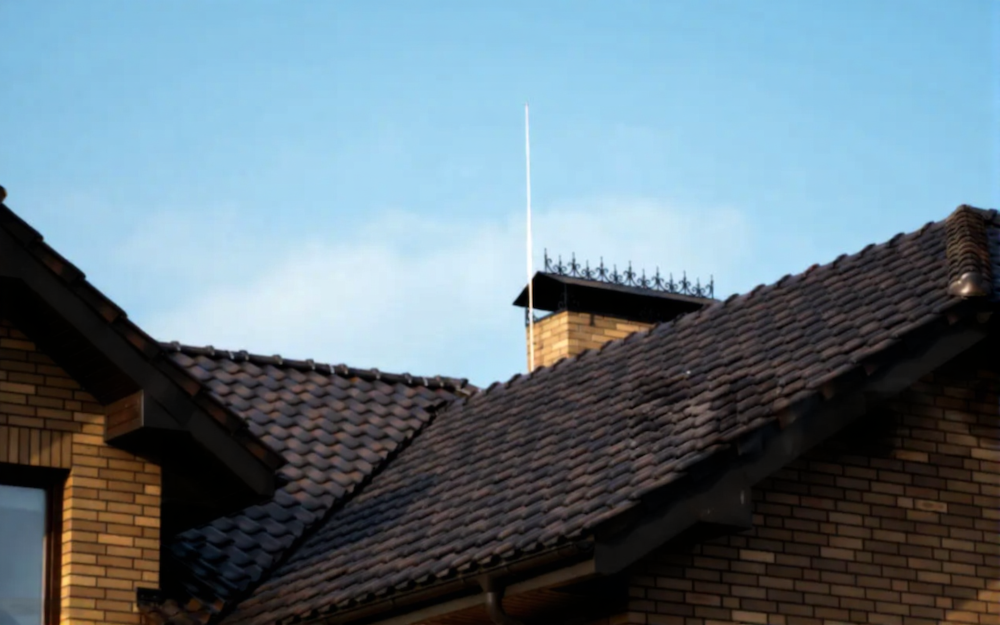
In 2022, only 62,189 homeowners filed claims for electrical storm damage out of 144 million properties across the United States. This means just 0.04% of residential structures experienced reported issues from atmospheric electricity. Yet when these rare events do strike, the consequences can be devastating.
Many property owners question whether traditional protective systems deliver on their promises. Some wonder if these devices actually prevent strikes or simply redirect electrical energy away from vulnerable areas. The debate continues as building standards evolve.
Modern construction methods and electrical codes have introduced alternative safety measures. These compete with conventional rod systems that have protected buildings for centuries. Home protection technology has advanced significantly.
This comprehensive guide separates fact from fiction. We’ll examine how these safety systems actually function. You’ll learn about real-world effectiveness, cost considerations, and whether they represent a smart investment for your specific situation.
Key Takeaways
- Only 0.04% of U.S. properties reported electrical storm damage in 2022
- Traditional protection systems face questions about modern effectiveness
- Building codes and electrical standards offer alternative safety methods
- When strikes occur, damage can be severe despite low probability
- This guide examines cost, effectiveness, and investment value
- Modern technology competes with century-old protection methods
- Understanding system functionality helps make informed decisions
Understanding Residential Lightning Protection
Why Homeowners Should Care About Lightning Safety
Despite low statistical probability, the consequences of being unprepared can be devastating. A single electrical event can cause complete structural destruction, fire-related losses, and irreversible damage to your electrical infrastructure.
The real value lies in peace of mind during storm seasons. Understanding your regional risk helps you make informed decisions rather than fear-based reactions.
Comparing Traditional Rods with Modern Mitigation Systems
Today’s approach combines physical interception with electronic safeguarding. Conventional methods physically redirect strikes away from vulnerable areas, while contemporary solutions focus on surge protection for sensitive appliances.
Modern building codes now mandate ground wire outlets and whole-home surge protectors. These work alongside traditional systems rather than replacing them, creating a layered defense strategy.
For high-risk regions, this comprehensive coverage represents smart investment protection. The relatively small cost can prevent thousands in potential repair expenses.
Lightning Rods for Houses: Effectiveness and Functionality

When atmospheric electricity approaches a structure, conductive materials create a preferential route for safe energy dissipation. This fundamental principle makes modern protection systems remarkably effective at safeguarding properties.
How the System Provides a Safe Path for Discharge
Electrical energy naturally seeks the path of least resistance. Like water flowing downhill, it chooses the easiest route to the ground. A properly installed system offers this ideal pathway.
These devices don’t attract strikes but intercept them when they occur nearby. They provide a controlled discharge route that prevents electricity from traveling through vulnerable components like wiring or plumbing.
Even when a strike lands several feet away, the system remains valuable. Electrical discharges often “jump” between structures as they search for conductive materials. Your protection network offers electricity a safe route regardless of the exact strike point.
Materials and Technology Behind Lightning Rods
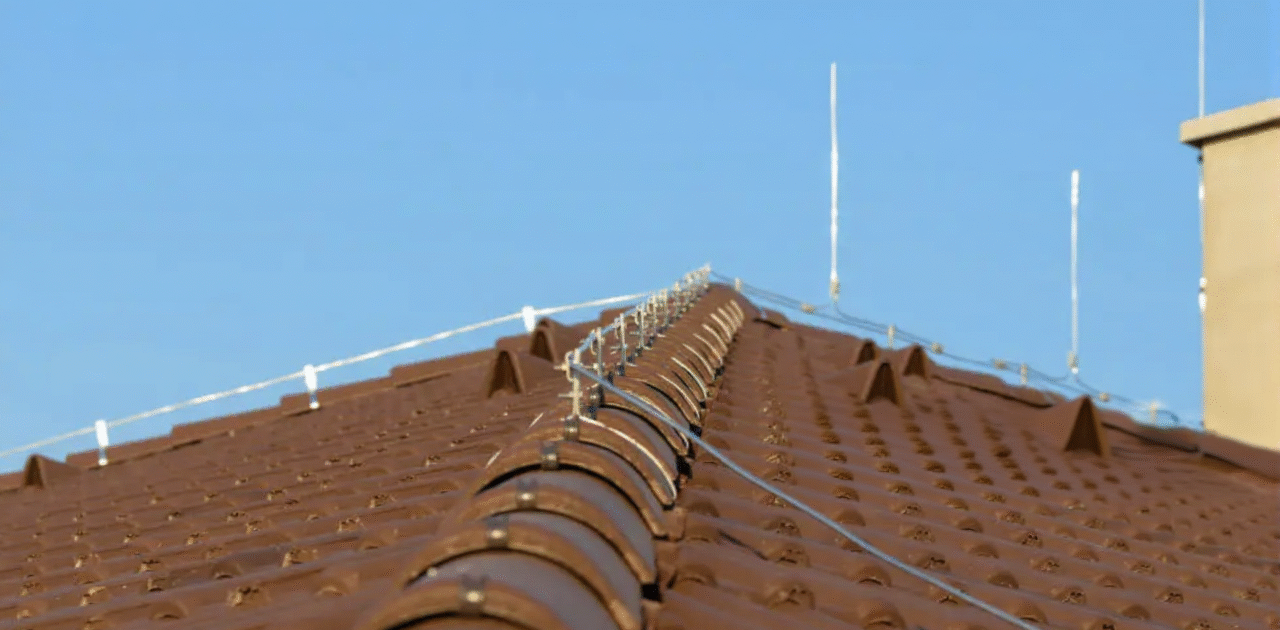
High-conductivity metals like copper and aluminum form the core of effective systems. These materials can absorb massive electrical loads without heat damage. They’re installed at the highest building elevation.
Proper bonding between all components is critical. Any gaps or poor connections can create dangerous side flashes. UL-listed cables meet national safety standards and withstand extreme temperatures.
The complete architecture includes heavy-gauge cables running from the rod into a grounding network. This integrated approach safely disperses energy into the earth, protecting your home comprehensively.
Assessing the Risks and Real-World Performance
The decision to install protective equipment requires balancing statistical probabilities against potential consequences. Homeowners must weigh actual danger against peace of mind when considering safety investments.
Statistics on Lightning Strikes and Residential Damage
Recent data reveal that only 0.04% of American homes reported electrical storm damage in 2022. This represents just 62,189 claims from 144 million properties nationwide.
While the probability seems low, geographic location dramatically influences individual risk. Properties in Texas, Florida, and Georgia face substantially higher strike frequencies than other regions.
Pros and Cons Based on Historical Data
Historical evidence shows that properly installed systems effectively prevent structural damage. They’ve successfully protected buildings for centuries when electrical events occur.
However, these systems don’t reduce the risk of a strike happening. They also may not fully safeguard sensitive electronics without additional surge protection devices.
Comprehensive protection requires professional installation and ongoing maintenance. This represents a significant investment against a statistically unlikely event for most property owners.
Understanding these real-world metrics helps homeowners make rational decisions based on actual risk rather than fear.
Installation and Maintenance Considerations
Proper installation separates effective protection from potential hazards. Your system’s performance depends entirely on correct setup and ongoing care.
Best Practices for Installation and Connection
Professional installation by certified specialists is essential. Improper work can create dangerous side flashes instead of safe discharge paths.
The rod must position at your building’s highest point. Use only UL-listed copper or aluminum materials for optimal conductivity.
Proper bonding between all components prevents system failure. Follow national standards from the Lightning Protection Institute and NFPA. This ensures your investment performs when needed most.
Maintenance Tips to Ensure Continuous Protection
Schedule annual visual inspections for corrosion or damage. Check visible cables and connections after severe weather events.
Professional testing every 3-5 years verifies grounding effectiveness. This is especially important after landscape changes or renovations.
Maintenance requirements are relatively minimal compared to other home systems. However, neglecting simple inspections can leave you with false security from a non-functional setup.
Cost, Insurance, and Value for Homeowners
Homeowners face a complex calculation when determining whether specialized electrical protection represents a smart investment. The initial expense must be weighed against both statistical probabilities and potential consequences.
Evaluating Upfront Costs Versus Long-Term Benefits
Complete residential protection systems typically require several thousand dollars for equipment and professional installation. This significant upfront cost includes the rod itself, UL-listed conductive cables, grounding materials, and labor.
When considering this investment, remember that electrical damage can reach $10,000-$50,000 or cause total home loss. For high-risk areas, a $3,000-$7,000 system acts as reasonable insurance against catastrophic expenses.
How Insurance Companies View Lightning Protection
Most insurance companies acknowledge the value of certified protection systems. Some may offer modest premium discounts for homes with proper installations.
However, these savings typically don’t quickly offset the initial installation cost. This makes protection primarily a risk management decision rather than a money-saving strategy.
Always review your existing homeowners policy to verify electrical damage coverage. Some policies contain exclusions that affect whether additional physical protection is necessary.
Consult both your insurance provider and local weather authorities. This provides the information needed to make a financially sound decision based on your specific risk profile.
Expert Tips and Best Practices for Buying
Selecting the right safety equipment requires careful planning and informed decision-making. Your investment should provide comprehensive coverage rather than partial solutions.
Quality components and professional workmanship make the difference between effective protection and wasted expenditure. Focus on complete system integration from the start.
Guidelines for Choosing a Reliable Lightning Protection System
Always verify that all components carry UL listing certification. This ensures independent testing for safety and performance standards.
Look for complete solutions that include surge protection for power lines, data connections, and communication cables. Individual appliance protectors add valuable secondary defense.
Choose contractors with specific certifications from recognized organizations. Proper licensing and insurance protect your investment during installation.
Questions to Ask Your Local Electrician or Contractor
Begin by asking about their experience with residential installations. Inquire about compliance with National Fire Protection Association standards.
Request detailed information about grounding system design. This includes electrode quantity, depth, and soil conductivity testing results.
Discuss maintenance requirements and recommended inspection schedules. Annual service contracts can ensure long-term system functionality.
Always ask for customer references and installation photos. Verify local building code compliance before making your final decision.
Conclusion
Your final decision about lightning safety should balance factual risk against potential consequences. Properly installed systems genuinely work, intercepting electrical events and creating safe discharge paths away from your property.
Remember that while statistical probabilities are low, the impact of a single strike can be devastating. This makes protection particularly valuable for homeowners in high-risk regions or with significant property investments.
Modern safety requires a layered approach. Traditional lightning rods work best when combined with surge protection and proper grounding. There’s no universal answer for every situation.
Take the next step toward informed protection. Consult certified specialists about your specific needs. Review your insurance coverage and consider basic safeguards for valuable electronics.
Your peace of mind during storm season represents the ultimate value of comprehensive electrical safety planning.