Lightning Protection 101 for Educational Institutions: Best Practices for K-12 and Universities

“An ounce of prevention is worth a pound of cure.” This timeless wisdom from Benjamin Franklin rings especially true when safeguarding our schools and universities. In an era defined by digital learning and complex infrastructure, the threat of severe weather demands a modern, proactive approach.
Educational facilities present a unique challenge. They often combine historic buildings with cutting-edge technology. This blend creates significant vulnerabilities. A single event can disrupt everything from online classes to critical data systems.
The consequences extend far beyond temporary inconvenience. We have a fundamental responsibility to ensure the safety of students and staff. Prolonged outages and catastrophic damage can halt academic progress entirely.
This guide provides a clear roadmap for decision-makers. It outlines strategies to protect irreplaceable resources and ensure continuous operations. Implementing effective safety measures is an operational necessity, not an optional extra.
Key Takeaways
- Schools and universities face unique risks due to their mix of old structures and modern tech.
- A comprehensive safety system is essential for continuous academic operations.
- The financial cost of recovering from an incident far exceeds the investment in prevention.
- Protecting people and property from fire and related hazards is the primary goal.
- A well-designed plan safeguards both physical infrastructure and digital learning tools.
Understanding Lightning Threats in Educational Institutions
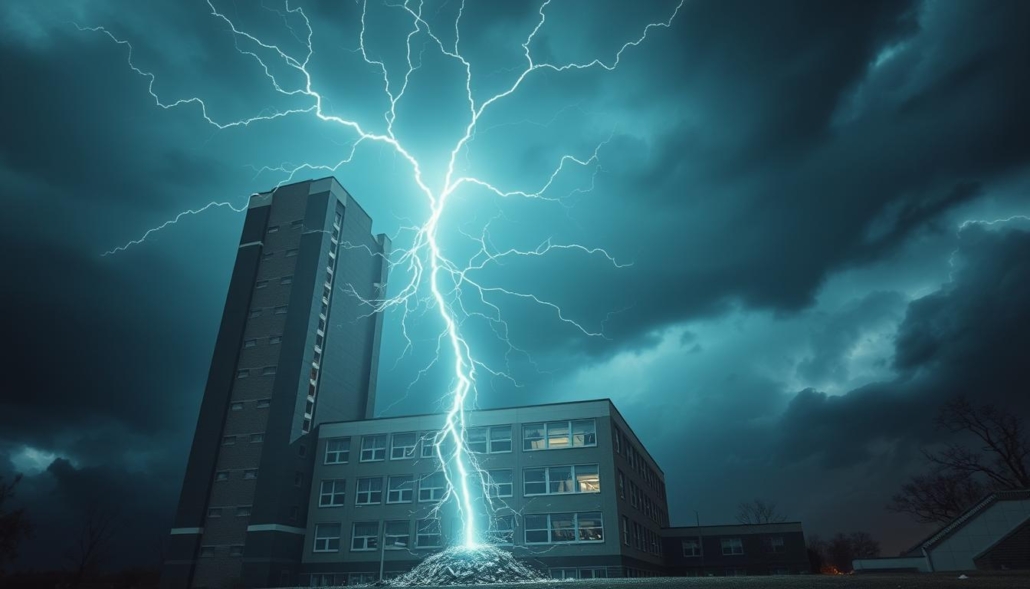
Understanding the science behind severe weather events is crucial for safeguarding academic communities. These natural phenomena follow predictable patterns that can be anticipated and mitigated.
Mechanisms of Lightning Formation and Cloud-to-Ground Dynamics
As electrical storms develop, charge separation occurs within storm clouds. The base of the cloud accumulates negative charge, which induces a positive charge on the Earth’s surface below.
When the storm moves across the landscape, it drags this ground charge along. As it passes over your campus, the cloud charge pulls the ground potential upward onto your buildings. This creates ideal conditions for dangerous lightning strikes.
Impact on Schools and Universities: From Equipment to Safety Hazards
Real-world examples demonstrate the catastrophic impact. Prospect School in Hempstead, NY, suffered a lightning-caused fire that displaced students for nearly a year and resulted in repairs exceeding $10 million.
Similar incidents occurred at McLane Middle School in Tampa Bay and Marian Central Catholic High School. These events highlight how a single strike can disrupt educational continuity and drain resources.
Modern educational technology operates on tiny currents, while atmospheric discharges release massive energy. This disparity makes systems vulnerable to damage from electrical transients.
Evacuating students during thunderstorms presents unique challenges. Large assembly areas create bottlenecks, and younger or special-needs students require additional assistance. Comprehensive protection effectively addresses these safety hazards.
Lightning Protection 101 for Educational Institutions
 Lutz Preparatory Academy
Building a reliable defense against atmospheric electrical events begins with selecting the proper components and materials. The right choices ensure decades of trouble-free operation and maximum safety for your campus community.
Selecting the Right Protection System: Components and Materials
A comprehensive lightning protection system requires three essential elements working together. Bonding and grounding equalize electrical potential across your facility. Structural components intercept dangerous strikes before they reach vulnerable areas.
Surge suppression devices prevent damaging voltage spikes from reaching sensitive equipment. This three-part approach creates multiple safety layers throughout your campus.
Material selection significantly impacts long-term performance. Copper and aluminum conductors meet industry standards for durability. The choice depends on your building type, environmental conditions, and budget considerations.
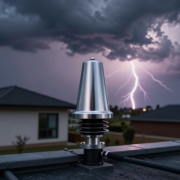
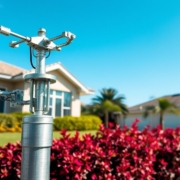
Strategic placement of air terminals follows specific geometric patterns. These devices must cover all roof surfaces and architectural features. Proper installation ensures comprehensive protection against direct strikes.
Compliance with NFPA 780, UL 96A, and International Standards
Following established standards like NFPA 780 isn’t just about checking regulatory boxes. These frameworks represent decades of engineering research and real-world testing. They ensure your protection system performs reliably when needed most.
The whole-building approach mandated by industry standards requires integrating all metallic systems. Plumbing, HVAC, electrical panels, and data networks must bond properly to the main system. This eliminates dangerous potential differences that could cause side-flash damage.
Educational institutions should insist on certified professionals for design and installation. Lightning Protection Institute certification provides documented proof of compliance. This documentation becomes crucial for insurance and liability purposes.
Implementing a Comprehensive Lightning Protection Strategy for Schools and Universities
A truly resilient campus safety plan moves beyond basic compliance to create multiple layers of defense. This practical phase turns engineering principles into active safeguards for your students, staff, and assets.
Begin with a detailed risk assessment. Use tools like the NFPA 780 calculator to understand your building’s specific vulnerability to strikes. This data-driven approach justifies the investment by quantifying the real risk of operational shutdowns and costly damage.
Step-by-Step Installation and Best Practices for Grounding and Bonding
The installation process starts underground. Effective grounding is the foundation, safely channeling immense energy into the ground. Soil testing determines the best electrode configuration to connect your systems reliably to the earth.
Comprehensive bonding is equally critical. It interconnects all metallic systems—like electrical, plumbing, and data networks—eliminating dangerous potential differences. This unified approach ensures safety throughout the entire structure.
Risk Assessment, Surge Suppression, and Ongoing Maintenance
A layered surge protection approach is essential. Install devices at the service entrance, distribution panels, and near sensitive equipment. This hierarchy stops damaging spikes before they reach computers and servers.
Your protection system requires scheduled check-ups. Qualified specialists should inspect all components every few years. This ensures your facilities remain secure as your campus evolves. A small maintenance investment preserves your major safety investment.
Conclusion
School administrators face a pivotal moment in determining their institution’s long-term operational stability. The choice between comprehensive safety measures and potential catastrophic failures will define campus resilience for years to come.
Real-world examples demonstrate that severe weather threats are immediate and costly. Proper installations prevent devastating damage to both physical building structures and critical information systems.
Following established industry standards like NFPA 780 provides measurable advantages beyond basic safety. These protocols ensure reliable performance while demonstrating due diligence to stakeholders.
Educational facilities serve dual roles as learning environments and community shelters. Investing in robust protective systems ensures these spaces remain available when most needed.
The time for action is now. Engage certified specialists to assess your specific risks and develop a phased implementation plan. This proactive approach protects your most valuable assets—students, staff, and academic continuity.