Lightning Protection for Historic Buildings: A Comprehensive Case Study
Historic buildings represent irreplaceable pieces of our cultural heritage, yet they face significant risks from severe weather events. Their age, traditional construction methods, and architectural significance create unique vulnerabilities that demand specialized protection strategies.
Each year, lightning strikes cause over $1.2 billion in property damage across the United States, with individual claims averaging more than $18,000. For historic landmarks, the stakes are even higher—these structures cannot simply be rebuilt when damaged.
This case study examines how one iconic structure successfully implemented comprehensive lightning protection while maintaining its historical integrity, offering valuable lessons for building owners and preservation specialists.
Understanding Lightning Protection Systems
A common misconception is that lightning protection systems attract strikes. In reality, they don’t attract or prevent lightning—they provide a controlled, safe pathway for electrical energy to travel harmlessly into the ground.
Lightning carries approximately 300 million volts and can heat the surrounding air to over 60,000 degrees Fahrenheit. Strikes can occur up to 10 miles from visible rainfall, making comprehensive protection essential even in areas with infrequent storms.
Essential System Components
A complete lightning protection system integrates five critical elements:
Strike Termination Devices (Air Terminals) – Modern air terminals measure just 12 inches tall with a 3/8-inch diameter, making them remarkably unobtrusive. They’re strategically positioned at the building’s highest points to safely intercept lightning strikes.
Conductor Cables – Braided metal cables create pathways for electrical current to travel safely downward. These must be constructed from highly conductive materials like copper or aluminum to handle massive electrical energy.
Bonding Connections – Bonding links all metallic components within the structure to prevent dangerous “side flashes,” where electricity jumps to nearby metal objects, potentially igniting fires.
Ground Termination System – A minimum of two ground rods driven at least 10 feet deep safely disperse electrical energy into the earth, completing the protective circuit.
Surge Protection Devices – SPDs shield sensitive electronics from voltage spikes, protecting valuable equipment and preventing costly downtime.
Material Selection: Copper vs. Aluminum
Copper stands as the premier material for lightning protection, offering exceptional conductivity, outstanding corrosion resistance, and a lifespan matching historic structures. For preservation projects, copper’s aesthetic advantages prove particularly valuable—components develop an attractive patina that blends beautifully with dark masonry and aged wood.
Aluminum provides excellent conductivity at reduced weight and cost, making it suitable for large-area coverage and budget-conscious projects. All components must be UL-listed and meet rigorous safety standards.

Design Standards and Compliance
Professional lightning protection design requires strict compliance with three key standards:
- NFPA 780 – The National Fire Protection Association’s definitive standard, evolved over a century
- UL Certification – Underwriters Laboratories governs component testing and certification
- LPI Certification – The Lightning Protection Institute establishes professional qualifications for installers
Federal agencies including the FAA and Department of Defense mandate these systems for their structures, validating their critical importance for protecting national infrastructure.
Case Study: A 125-Year-Old Government Landmark
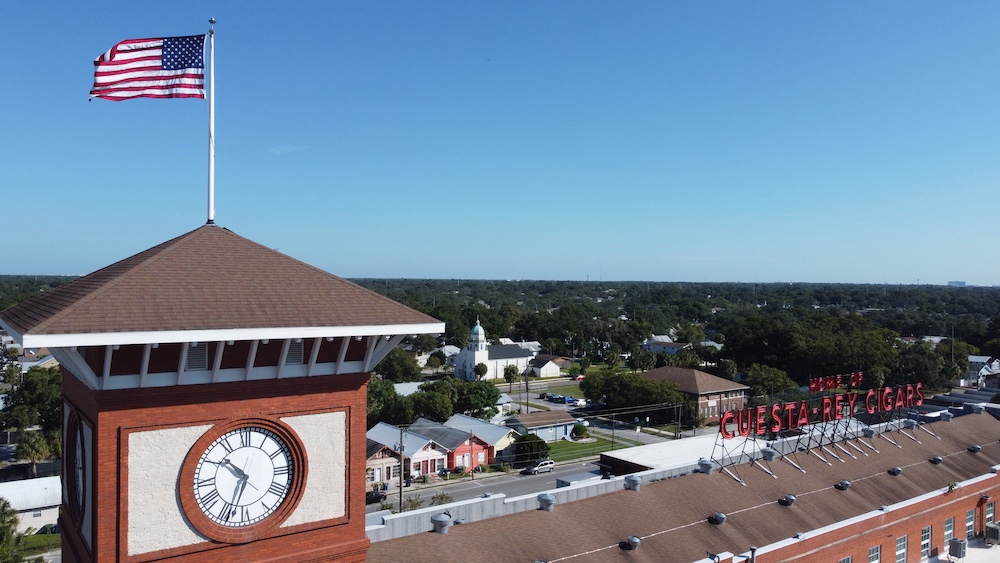
Our subject building has served as both a functional government facility and cultural touchstone for over 125 years. The neoclassical structure features intricate stonework and a distinctive clock tower that dominates the local skyline.
The Challenge
The building’s considerable height and exposed location created significant lightning vulnerability. Original 19th-century construction used traditional masonry without any modern safety considerations. Preservation boards mandated that any safety upgrades maintain complete architectural integrity.
The Solution
Collaboration between preservation experts and safety specialists yielded this innovative approach:
- 48 air terminals strategically deployed across the rooftop
- 1,200 feet of conductor cable using hidden routing pathways
- 6 ground rods at 10-foot depth in perimeter configuration
- 12 surge protection devices at critical integration points
The team developed specialized mounting hardware for delicate historic surfaces. Conductors routed through existing channels and voids, making them virtually invisible from ground level. Rigorous testing confirmed system performance and safety compliance.
The project now serves as a model, demonstrating that modern protection technology can harmonize perfectly with historical preservation requirements.
Installation Best Practices
Only contractors listed by Underwriters Laboratories Solutions and certified by the Lightning Protection Institute should perform installation work. These credentials validate both technical competence and adherence to national safety standards.
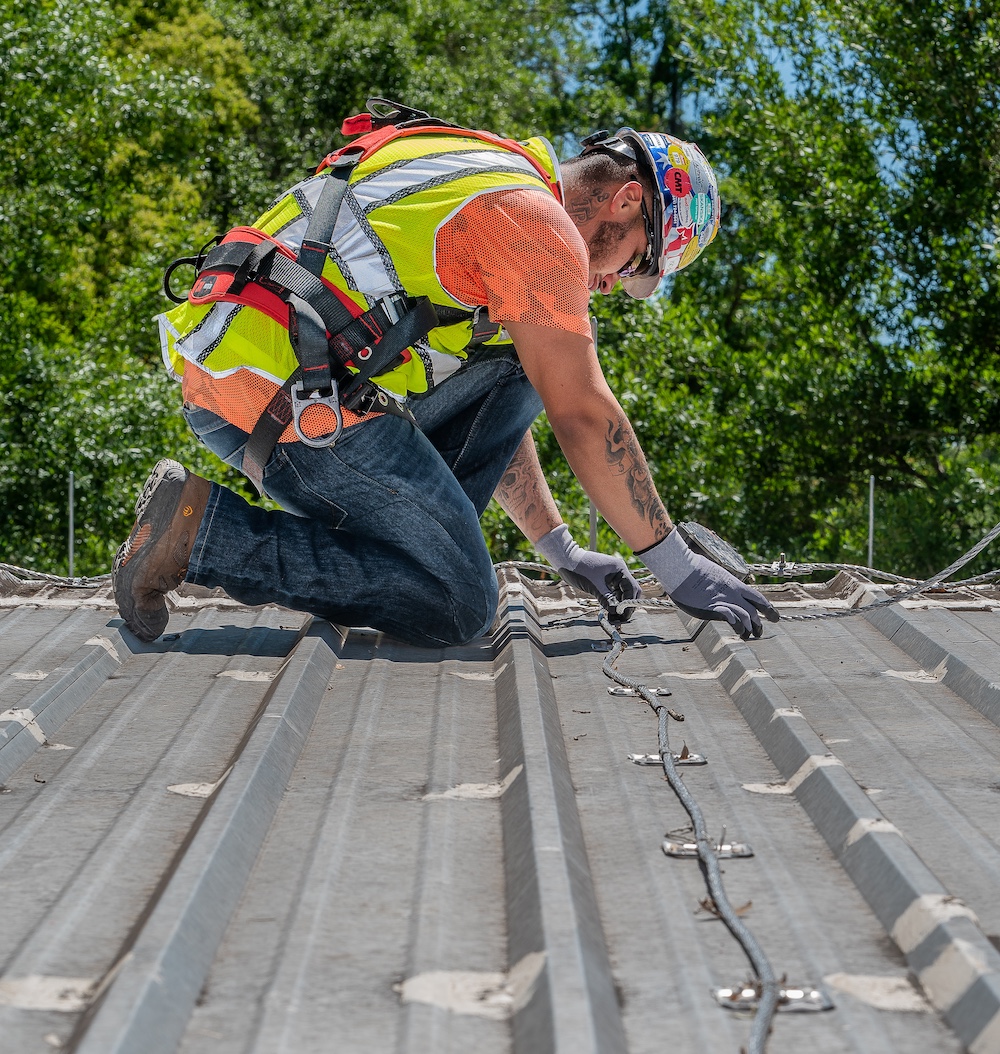
The installation sequence includes precise air terminal placement, careful conductor routing to minimize visual impact, specialized bonding techniques that avoid damaging original materials, soil resistance testing, and comprehensive surge protection installation. Professional lightning rod installation requires continuous inspection and testing throughout to validate system integrity, with every connection documented before activation.
Understanding Lightning Damage
Lightning strikes cause devastating damage to unprotected structures:
- Thermal Effects – Temperatures of 18,000 to 60,000°F instantly ignite combustible materials
- Structural Damage – Explosive force creates roof penetrations and wall fractures
- Electrical Destruction – Massive voltage surges destroy switches, panels, and sensitive electronics
- Fire Risk – The US Fire Administration estimates 17,400 structural fires annually from lightning
Between 1992-1996, insurance companies paid $1.7 billion in commercial lightning-related claims. For historic landmarks, the true cost extends beyond dollars—irreplaceable cultural heritage cannot be replaced.
Financial Considerations
Installation costs vary based on building size, roof complexity, material choice, and preservation requirements. Copper systems cost more initially but offer superior longevity, while aluminum provides a cost-effective alternative.
The return on investment is straightforward: preventing just one major lightning incident justifies the entire system cost. Many insurance carriers also offer premium discounts for protected structures, creating ongoing financial benefits.
Maintenance and Long-Term Reliability
Professional inspections should occur at least annually, with additional assessments following any known lightning strike or major structural modifications. Maintenance specialists examine air terminal condition, conductor integrity, bonding continuity, grounding system resistance, and surge protection device functionality.
Detailed documentation demonstrates ongoing compliance with national standards and provides valuable data for future preservation planning. The modest investment in routine inspection ensures continuous protection for irreplaceable landmarks.
Conclusion: Protecting Our Cultural Heritage
Historic landmarks deserve comprehensive protection that respects their architectural significance while providing essential safety. Modern lightning protection systems successfully balance these requirements through careful design, quality materials, and expert installation.
The financial wisdom is clear: system costs remain modest compared to potential damage, and the protection of irreplaceable cultural value makes the investment essential. For building owners and preservation specialists, contact experienced lightning protection specialists to take the critical first step toward safeguarding these treasures for future generations.
Frequently Asked Questions
What are the main components of a lightning protection system? A complete system includes air terminals, down conductors, bonding connections, ground termination rods, and surge protection devices that work together to safely direct electrical energy into the earth.
Why is copper preferred for historic buildings? Copper offers exceptional conductivity, superior corrosion resistance, and develops an attractive patina that blends beautifully with traditional building materials.
How does proper grounding prevent damage? Ground terminations safely dissipate massive electrical charges into the soil, protecting the building’s electrical systems and structural integrity.
What standards govern lightning protection installation? Installations must comply with NFPA 780 and UL 96A standards, with work performed by Lightning Protection Institute (LPI) certified installers.
How often should systems be inspected? A certified professional should perform inspections at least annually, with additional checks after any known lightning strike or major structural modifications.
Ready to protect your historic building? Call us at (813) 630-2757 to schedule your consultation and discover how affordable peace of mind can be.