Lightning Protection for Banks and Financial Institutions: Securing Critical Facilities
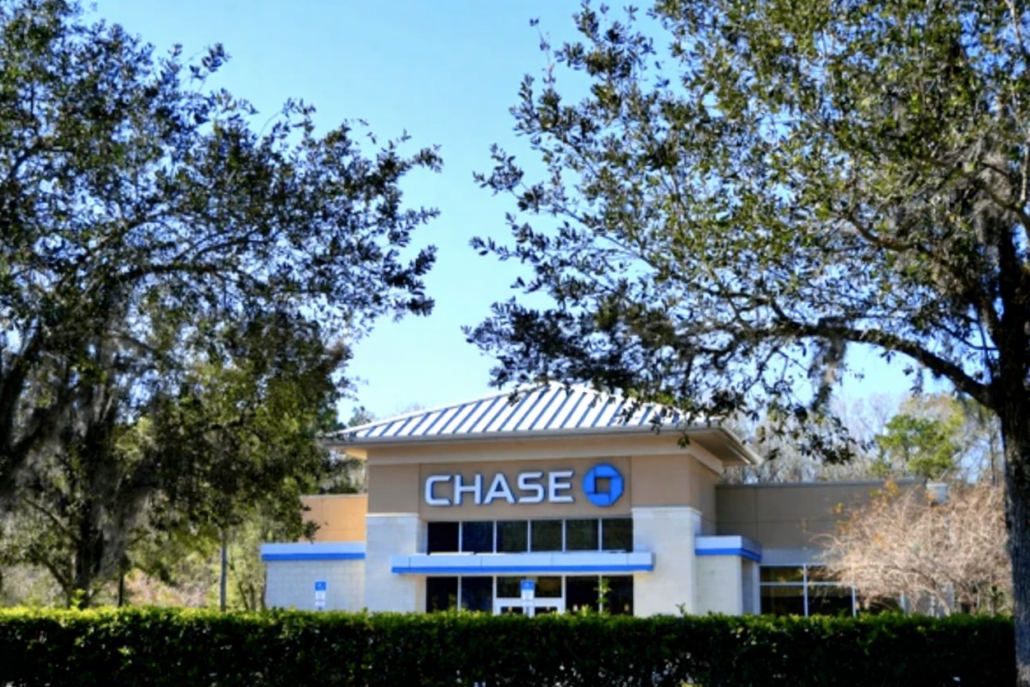
The financial sector operates in an environment where milliseconds matter, and downtime is measured in millions of dollars. Yet despite sophisticated cybersecurity measures and redundant IT systems, many banks and financial institutions remain vulnerable to one of nature’s most powerful forces: lightning. With over 25 million cloud-to-ground strikes occurring annually in the United States, the question isn’t whether your facility will be exposed to lightning activity—it’s whether you’re adequately prepared when it happens.
Financial institutions face a unique convergence of risks. The concentration of sensitive electronic equipment, mission-critical data systems, and round-the-clock transaction processing creates an operational environment where even momentary disruptions can cascade into significant financial losses and reputational damage. A single lightning event can compromise data integrity, destroy expensive equipment, and halt operations across entire branch networks.
Understanding the Lightning Threat to Financial Operations
The Scope of the Problem
Lightning represents a constant threat to modern banking infrastructure. Florida alone experiences more than 1.4 million lightning strikes annually, with the Tampa Bay region being the lightning capital of North America. For financial institutions operating in high-risk areas, comprehensive protection isn’t optional—it’s essential.
The banking sector’s vulnerability extends far beyond direct strikes. Modern financial facilities are interconnected ecosystems where power lines, data cables, telecommunications infrastructure, and grounding systems create multiple pathways for destructive electrical surges. A lightning strike to utility lines a mile away can send damaging transients through your facility’s electrical and data systems within microseconds.
Direct and Indirect Strike Impacts
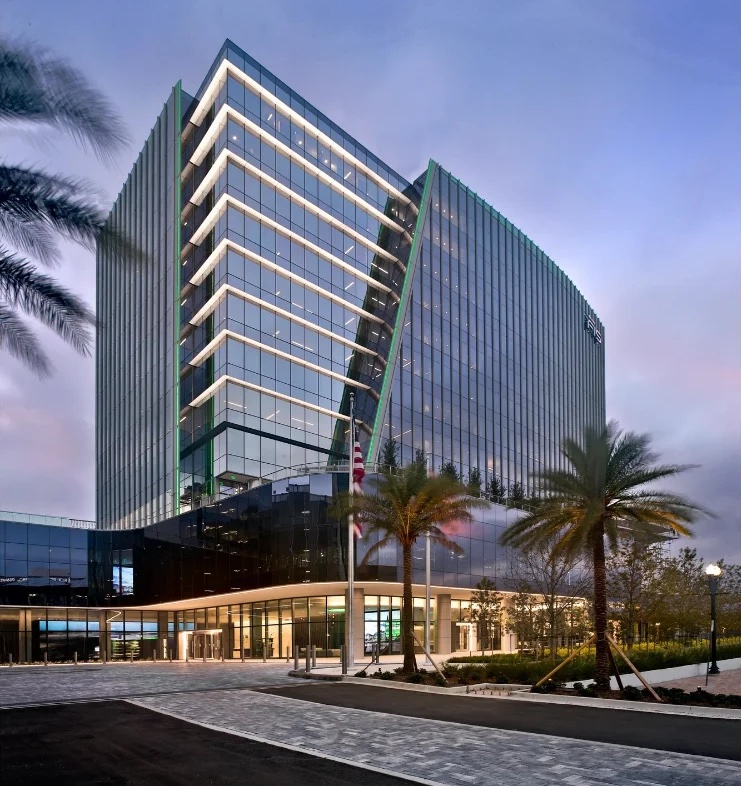
When lightning strikes a building directly, it releases approximately 30,000 amperes of electrical current, with temperatures exceeding 50,000 degrees Fahrenheit. For an unprotected financial facility, the consequences include structural damage, total equipment failure, data loss and corruption, and significant safety risks to personnel.
However, the majority of lightning-related damage doesn’t come from direct strikes. Indirect effects prove equally destructive: induced surges from nearby strikes, ground potential rise creating voltage differentials, and utility line transmission sending surges directly into facilities through service entrances.
Lightning Risk Assessment Matrix for Financial Facilities
| Risk Factor | Low Risk | Medium Risk | High Risk | Critical Risk |
|---|---|---|---|---|
| Building Height | 1-2 stories | 3-4 stories | 5-8 stories | 9+ stories |
| Geographic Location | <5 strikes/km²/year | 5-10 strikes/km²/year | 10-20 strikes/km²/year | 20+ strikes/km²/year |
| Equipment Value | <$250,000 | $250K-$1M | $1M-$5M | $5M+ |
| Data Criticality | Branch office | Regional center | Data processing hub | Primary data center |
| Daily Transactions | <5,000 | 5,000-25,000 | 25,000-100,000 | 100,000+ |
| Downtime Cost/Hour | <$10,000 | $10K-$50K | $50K-$250K | $250K+ |
Risk Scoring: Facilities with 3+ “High Risk” or any “Critical Risk” factors require immediate comprehensive protection assessment.
Why Financial Institutions Require Specialized Protection
Modern banking operations depend entirely on continuous electronic systems. Unlike many commercial enterprises that can tolerate brief outages, financial institutions face immediate consequences from even momentary disruptions. Real-time payment systems, wire transfers, and credit card authorizations must maintain continuous operation. Professional lightning protection systems for banking facilities address these unique operational demands.
Financial institutions also operate under strict regulatory oversight mandating specific operational continuity standards. Federal regulators expect comprehensive business continuity plans addressing natural disaster scenarios. Properly documented lightning protection demonstrates due diligence and proactive risk management. Commercial property insurers increasingly require certified systems, particularly in high-risk areas, with properly installed systems often reducing premiums by 10-30%.
Comprehensive Lightning Protection System Design
Essential System Components
Professional lightning protection systems integrate multiple specialized components:
Air Terminals (Lightning Rods): Strategically positioned to create preferential strike points, intercepting lightning at predetermined locations rather than allowing random attachment to vulnerable building elements.
Down Conductor Networks: Heavy-gauge copper or aluminum conductors provide controlled pathways for lightning current to flow safely to ground, with proper routing essential to avoid hazardous loops and ensure adequate spacing.
Grounding Electrodes: The foundation of effective protection is a low-resistance earth connection. Professional grounding systems utilize multiple ground rods, ground rings, or Ufer grounds, depending on soil conditions, with resistance measurements verifying performance below 25 ohms.
Bonding Connections: All metallic building components, utility services, and structural steel must be electrically bonded to eliminate dangerous potential differences that could create side-flash hazards.

Surge Protection Device Integration
While structural systems address direct strikes, surge protection devices (SPDs) defend against induced transients and transmitted surges:
Service Entrance Protection: Type 1 SPDs at main electrical services provide first-line defense against surges entering through utility connections.
Distribution Panel Protection: Type 2 SPDs at electrical sub-panels provide intermediate protection, catching surges that bypass service entrance devices.
Point-of-Use Protection: Type 3 SPDs protect individual equipment at final branch circuits, preventing low-level transients from damaging sensitive electronics.
Data Line Protection: Telecommunications lines, network cables, and control circuits require specialized low-voltage SPDs that maintain signal integrity while clamping dangerous transients.
Code Compliance and Industry Standards
Lightning protection system design and installation must comply with NFPA 780 (National Fire Protection Association’s Standard for Installation of Lightning Protection Systems), UL 96/96A (Underwriters Laboratories standards for components and installation), and NEC Article 250 (National Electrical Code grounding requirements).
Professional installation includes engineered CAD drawings, compliance certification from qualified installers, ground resistance test reports, and comprehensive maintenance documentation demonstrating continued system integrity.
Custom Design for Banking Facilities
Every financial facility presents unique protection challenges requiring customized engineering. Professional site assessment evaluates lightning exposure based on geographic location and local strike density, building characteristics including height and construction materials, occupancy patterns and critical equipment locations, and existing infrastructure for integration opportunities.
Modern design techniques allow components to be concealed within architectural features, color-matched to building finishes, and coordinated with other building systems to minimize aesthetic impact while maintaining full electrical performance.

The Cost of Protection vs. The Cost of Damage
Investment Analysis
Modern bank branches contain $500,000 to $2 million in electronic equipment, with regional data centers representing $10 million or more. A single severe lightning event can destroy substantial portions of this investment. Transaction processing downtime costs banks an average of $5,600 per minute—multi-hour outages quickly accumulate losses, dwarfing protection system costs.
Data recovery services cost $5,000 to $50,000 per incident, assuming recovery is possible. Permanent data loss creates liability exposure and regulatory compliance issues with incalculable costs. Service disruptions erode customer confidence and drive business to competitors, with reputation damage often exceeding immediate financial losses.
Lightning Protection ROI Analysis
The chart demonstrates cumulative financial benefit over 10 years for a typical regional bank branch with $1.5M in electronic equipment:
- Initial Investment: $45,000
- Annual Insurance Savings: $7,000 (15% premium reduction)
- Break-Even Point: Year 8
- 10-Year ROI: 140% return on investment
- Total Advantage: $703,000 in prevented losses
Protected facilities reach break-even through insurance savings alone, while unprotected facilities experience an average of two major lightning events in high-risk areas, each costing approximately $565,000 in equipment replacement, business interruption, and data recovery.
Maintenance and Long-Term Performance
NFPA 780 mandates annual inspections by qualified personnel, with additional inspections following known strikes or facility modifications. Professional inspections verify physical integrity, electrical continuity, ground resistance levels, and surge device functionality.
Proactive maintenance extends system life through corrosion prevention in coastal facilities, vegetation management addressing new strike risks, system upgrades for facility modifications, and integration of advanced monitoring technologies providing real-time status updates and predictive analytics.
Conclusion: Protecting Your Institution’s Future
Lightning protection for banks and financial institutions represents a strategic investment in operational resilience, asset protection, and customer service continuity. Modern engineering delivers comprehensive defense against both direct strikes and induced surges, providing proven performance backed by decades of field experience.
For financial institutions in lightning-prone regions like Florida, the question isn’t whether to invest in professional protection—it’s whether you can afford the consequences of inadequate protection. A single severe event can cost more than a decade of protection investment while creating operational disruptions extending far beyond immediate financial losses.
All South Lightning Protection brings over 40 years of specialized experience protecting critical facilities throughout Florida and beyond. Our engineering team designs custom solutions addressing each facility’s unique requirements, risk factors, and operational constraints.
Don’t wait for a catastrophic lightning event to expose vulnerabilities. Contact All South Lightning Protection today at (813) 630-2757 to schedule a comprehensive site assessment and discover how professional lightning protection can safeguard your institution’s operations, assets, and reputation.
Frequently Asked Questions
Why do banks need specialized lightning protection beyond standard commercial buildings?
Financial institutions house extraordinarily high concentrations of sensitive electronic equipment processing mission-critical data in real-time. Unlike typical commercial properties, where brief outages cause inconvenience, banking facilities face immediate service disruptions, data integrity threats, and potential financial losses from even momentary electrical disturbances. The 24/7 operational requirements and strict regulatory oversight create protection requirements exceeding standard commercial applications.
What are the primary risks if our bank experiences a lightning strike?
Direct strikes can cause catastrophic equipment destruction, structural fires, and complete operational shutdowns. However, the more common threat comes from indirect effects—induced surges and ground potential rises that damage electronics, corrupt data, and disrupt telecommunications throughout your facility network. Personnel safety, transaction processing integrity, and security systems all face potential compromise during lightning events.
How do surge protection devices work with structural lightning protection?
Structural systems (air terminals, down conductors, grounding) intercept direct strikes and safely channel lightning current to earth. Surge protective devices complement this by defending against induced transients and surges entering through utility connections. Together, they create comprehensive protection—structural systems handle direct attachments while SPDs eliminate surges that structural systems alone cannot prevent.
What standards govern lightning protection installation for financial facilities?
NFPA 780 provides the primary installation standard, while UL 96A addresses component and installation certification. The National Electrical Code Article 250 governs grounding and bonding requirements. Compliance with these codes ensures your system meets scientifically validated performance criteria and satisfies insurance and regulatory requirements.
Can protection systems be customized for our specific building design?
Absolutely. Every facility receives custom engineering addressing unique architectural features, equipment locations, aesthetic requirements, and operational constraints. Modern design techniques allow components to be concealed within building features or color-matched to architectural finishes, providing optimal protection without compromising appearance.
What ongoing maintenance do lightning protection systems require?
NFPA 780 mandates annual inspections by qualified personnel, with additional inspections following known strikes or facility modifications. Inspections verify physical integrity, electrical continuity, and ground resistance levels. Surge protective devices require periodic testing and may need replacement after severe surge events. Comprehensive maintenance records document continued system performance and code compliance.