Data Center Lightning Protection in Jacksonville, FL
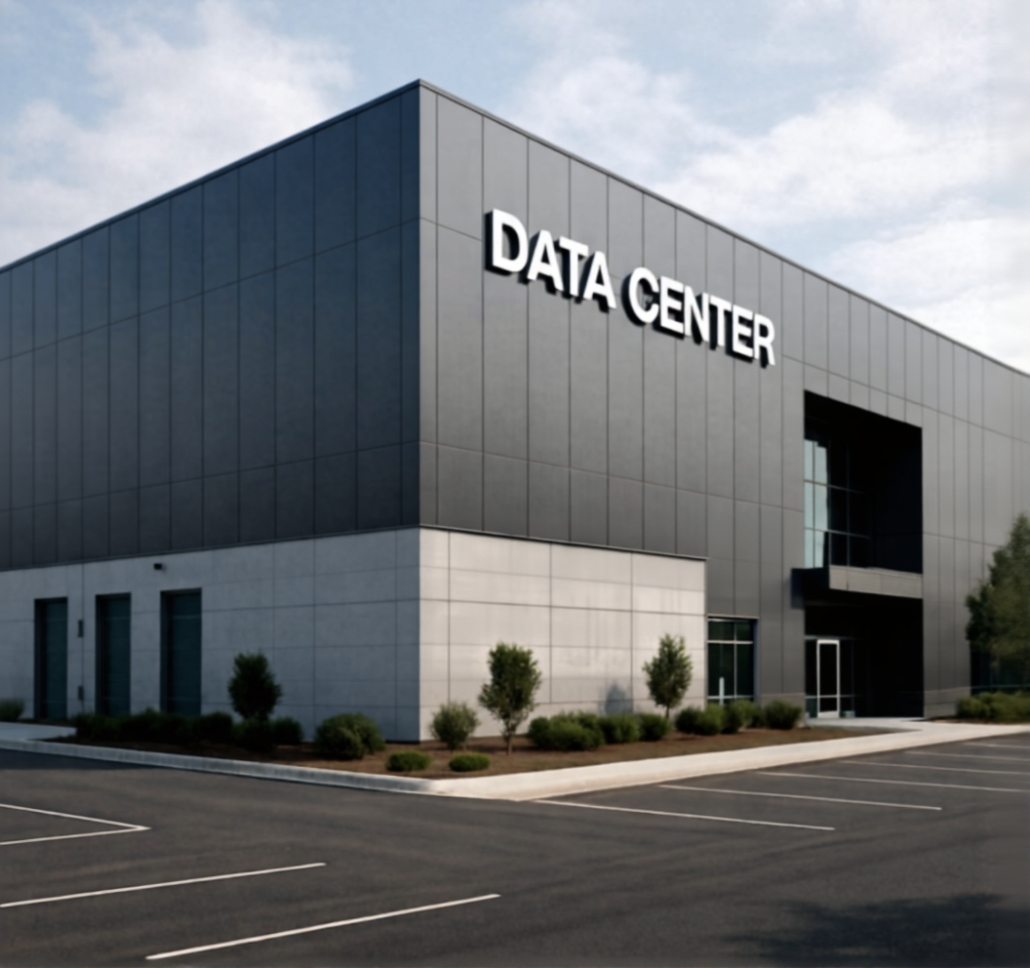
All South serves Jacksonville data centers, colocation facilities, and critical infrastructure throughout Northeast Florida. The convergence of increasingly severe weather patterns and the exponential growth of digital infrastructure has created a perfect storm of risk for data centers worldwide. Lightning strikes represent one of the most underestimated threats to mission-critical facilities, capable of causing millions of dollars in equipment damage and irretrievable data loss within milliseconds. This data center lightning protection case study examines a real-world scenario where proper protective measures prevented what could have been a catastrophic failure.
The Critical Nature of Lightning Protection in Data Centers
Modern data centers house sensitive electronic equipment worth millions of dollars, supporting operations for organizations that cannot afford even seconds of downtime. A single lightning strike can generate voltages exceeding 100 million volts and currents reaching 30,000 amperes. When this energy enters a facility’s electrical or communications systems, the results can be devastating: destroyed servers, corrupted storage arrays, damaged networking equipment, and complete operational shutdowns.
Beyond immediate equipment damage, the cascading effects of lightning-induced failures include data corruption, extended downtime, recovery costs, reputation damage, and potential regulatory penalties for data breaches or service level agreement violations. The financial impact often extends far beyond the replacement cost of damaged hardware.
Case Study Background: The Challenge
A mid-sized financial services data center in the southeastern United States faced a critical vulnerability. Located in a region averaging 50-60 thunderstorm days annually, the facility supported real-time transaction processing for over 200,000 customers. Despite comprehensive backup power systems and redundant network connectivity, the facility’s lightning protection infrastructure remained inadequate—a legacy of the building’s previous use as a warehouse.
Initial Risk Assessment Findings
Comprehensive site evaluation revealed multiple critical deficiencies. The facility lacked a properly designed air terminal system on the roof structure, the grounding system consisted of only two ground rods with insufficient bonding, surge protection devices were minimal and outdated, and cable entry points had no proper shielding or bonding. Perhaps most concerning, there was no comprehensive lightning protection plan integrating all building systems.
The risk modeling indicated a 23% probability of direct or nearby lightning strikes affecting operations annually, with potential losses exceeding $4.7 million per significant event when accounting for downtime, data recovery, equipment replacement, and regulatory impacts.
Implementation: A Comprehensive Protection Strategy
The organization engaged lightning protection specialists to design and implement a multi-layered defense system following NFPA 780 standards and IEEE recommendations specific to critical facilities.
Layer 1: External Lightning Protection System
The first line of defense involved installing a complete air terminal network across all elevated building structures. The design incorporated Franklin rod arrays strategically positioned to create protective zones covering the entire facility, early streamer emission terminals at vulnerable points, and a copper conductor network connecting all air terminals to the grounding system. This external system provided a controlled path for lightning current, directing it safely around the facility’s sensitive areas.
Layer 2: Grounding and Bonding Infrastructure
Engineers established a comprehensive grounding electrode system, including a ring ground conductor encircling the building perimeter, multiple ground rods driven to depths ensuring low resistance values, exothermic welded connections for all critical bonds, and equipotential bonding bars connecting all building systems. The completed system achieved ground resistance measurements below 5 ohms, significantly exceeding minimum requirements and ensuring effective energy dissipation.
Layer 3: Surge Protection Devices
The third layer involved installing coordinated surge protective devices at multiple points. Type 1 SPDs were installed at the main electrical service entrance, Type 2 SPDs were positioned at all electrical distribution panels serving IT equipment, Type 3 SPDs were placed at individual equipment racks for point-of-use protection, and specialized SPDs were installed on telecommunications lines, fiber optic cable shields, and all metallic pathway entries. This coordinated cascade approach ensured each device handled appropriate voltage levels while protecting downstream equipment.
Layer 4: Shielding and Cable Management
Proper cable routing and shielding completed the protection strategy. All external cables entering the facility passed through a designated cable entry point with proper bonding, telecommunications and data cables utilized shielded designs with shields bonded at entry points, and sensitive cable runs within the facility followed shielded pathways separated from power conductors. These measures prevented induced surges from coupling into critical data pathways.
Results: Proof of Protection
The comprehensive lightning protection system underwent its first real-world test during a severe thunderstorm system that moved through the region eight months after installation. The facility experienced two direct lightning strikes to the air terminal system and recorded thirteen nearby strikes within a quarter-mile radius during the storm event.
Measured Outcomes
System monitoring revealed the effectiveness of the protection measures. The external lightning protection system successfully intercepted both direct strikes; ground potential rise remained below dangerous thresholds due to the enhanced grounding system, surge protective devices clamped transient voltages to safe levels with no equipment damage, and all critical systems maintained continuous operation throughout the storm event. Independent monitoring equipment recorded voltage transients at various points, confirming that no potentially damaging surges reached sensitive equipment.
Quantifiable Benefits
The financial impact proved substantial. The organization avoided an estimated $4.2 million in potential losses based on pre-implementation risk modeling, experienced zero unplanned downtime related to lightning activity, eliminated equipment replacement costs that regional peers experienced during the same storm system, and maintained full service level agreement compliance with all customers. Additionally, insurance underwriters reduced the facility’s premium by 18% following documentation of the enhanced protection measures.
Critical Lessons from This Data Center Lightning Protection Case Study
This real-world experience reinforces several essential principles for data center operators. Comprehensive protection requires an integrated system design rather than isolated components addressing single vulnerabilities. Proper implementation following established standards provides measurable risk reduction with quantifiable return on investment. The multi-layer approach ensures that if one protection element encounters limitations, additional layers provide backup defense. Perhaps most importantly, proactive investment in lightning protection costs significantly less than reactive responses to lightning damage.
Best Practices for Data Center Lightning Protection
Organizations operating mission-critical facilities should implement these proven practices. Conduct thorough risk assessments specific to geographic location, facility design, and equipment criticality. Design lightning protection systems following NFPA 780, IEEE 1100, and other applicable standards while engaging certified lightning protection specialists for design and installation. Implement all four protection layers in a coordinated manner rather than piecemeal approaches, and establish regular inspection and maintenance protocols to ensure continued effectiveness.
Documentation proves equally important. Maintain comprehensive records of system design, installation details, inspection results, and any lightning events. This documentation supports insurance claims, regulatory compliance, and continuous improvement efforts.
The Future of Lightning Protection Technology
Emerging technologies continue to enhance lightning protection capabilities. Advanced monitoring systems now provide real-time detection of system degradation, allowing proactive maintenance before protection gaps develop. Predictive analytics using historical lightning data and weather patterns enable better risk forecasting. Smart surge protective devices communicate status information to building management systems, providing instant notification of any compromise to protective capabilities.
Conclusion
This data center lightning protection case study demonstrates that comprehensive lightning protection represents not merely a cost but a critical investment in operational continuity and asset preservation. The financial services data center featured in this analysis transformed a significant vulnerability into a protected asset through systematic implementation of proven protection principles.
For organizations operating data centers or other critical infrastructure, the question is not whether lightning protection merits investment, but rather whether your organization can afford the consequences of inadequate protection. The evidence clearly indicates that proper lightning protection systems deliver measurable value far exceeding their implementation costs.
As extreme weather events become more frequent and data center dependencies deepen across all industries, the lessons from this case study become increasingly relevant. Organizations that proactively address lightning protection position themselves to maintain operational continuity while their less-prepared competitors face costly recoveries from preventable failures.
Frequently Asked Questions
How much does comprehensive data center lightning protection typically cost?
Comprehensive lightning protection system costs vary based on facility size, complexity, and existing infrastructure, but typically range from $50,000 to $250,000 for mid-sized data centers. This investment should be evaluated against potential losses from lightning damage, which commonly exceed $2-5 million per significant event when accounting for equipment replacement, data recovery, downtime costs, and business interruption. Most organizations achieve positive return on investment within the first year through avoided losses and reduced insurance premiums. The case study facility invested approximately $180,000 and avoided $4.2 million in potential losses during the first major storm event, demonstrating the substantial value proposition of proper protection.
How often should lightning protection systems be inspected and maintained?
Lightning protection systems require annual inspections at a minimum, with additional inspections following any known or suspected lightning strikes to the facility. Comprehensive annual inspections should examine all air terminals and conductors for physical damage or corrosion, verify ground system resistance measurements remain within specifications, test surge protective devices for continued functionality and replace any that have sacrificed themselves, and inspect all bonding connections for integrity. Facilities in high-lightning-activity regions or those supporting extremely critical operations should consider semi-annual inspections. Proper maintenance ensures continued protection effectiveness and identifies any degradation before it creates vulnerability.
Can existing data centers retrofit lightning protection systems without operational disruption?
Yes, comprehensive lightning protection systems can be successfully retrofitted into operational data centers with careful planning and phased implementation. The external air terminal system and grounding infrastructure are typically installed with minimal operational impact, as this work occurs outside the building envelope. Surge protective device installation at electrical panels requires brief planned outages for specific circuits, usually scheduled during maintenance windows. Point-of-use surge protection at equipment racks can often be installed during routine maintenance without taking systems offline. The case study facility completed its entire retrofit over six weeks with only four hours of total planned downtime for critical path work, demonstrating that operational facilities can achieve comprehensive protection without extended disruptions.
What standards and certifications should data center lightning protection systems meet?
Data center lightning protection systems should comply with multiple standards depending on jurisdiction and facility requirements. NFPA 780 (Standard for the Installation of Lightning Protection Systems) provides comprehensive requirements for structural lightning protection. IEEE 1100 (Powering and Grounding Electronic Equipment) offers specific guidance for sensitive electronic equipment protection. UL 96A certification ensures lightning protection components meet safety and performance standards. IEC 62305 provides international standards for lightning protection of structures. For facilities handling regulated data, additional compliance with industry-specific standards may be required, such as NERC-CIP for energy sector facilities or PCI-DSS considerations for payment processing environments. Engaging certified lightning protection specialists (such as those certified by the Lightning Protection Institute) ensures designs meet all applicable standards.
Does lightning protection eliminate the need for surge protection on individual equipment?
No, lightning protection and equipment-level surge protection serve complementary but distinct functions in a comprehensive defense strategy. Lightning protection systems (external air terminals and grounding) intercept direct strikes and provide safe current paths around the facility. Service entrance surge protective devices clamp large transients before they enter building electrical systems. Distribution panel SPDs provide secondary protection for facility circuits. Equipment-level surge protection provides the final defense layer against smaller transients that may pass through upstream protection or be generated within the facility. This multi-layer approach, as demonstrated in the case study, ensures that if any single protection element is overwhelmed or encounters limitations, additional layers provide backup defense. Eliminating any layer creates potential vulnerability, as different protection elements address different aspects of the lightning threat.
Call (813) 842-6172 to discuss comprehensive data center lightning protection.