Air Terminal Lightning Protection: Safeguard Your Facility
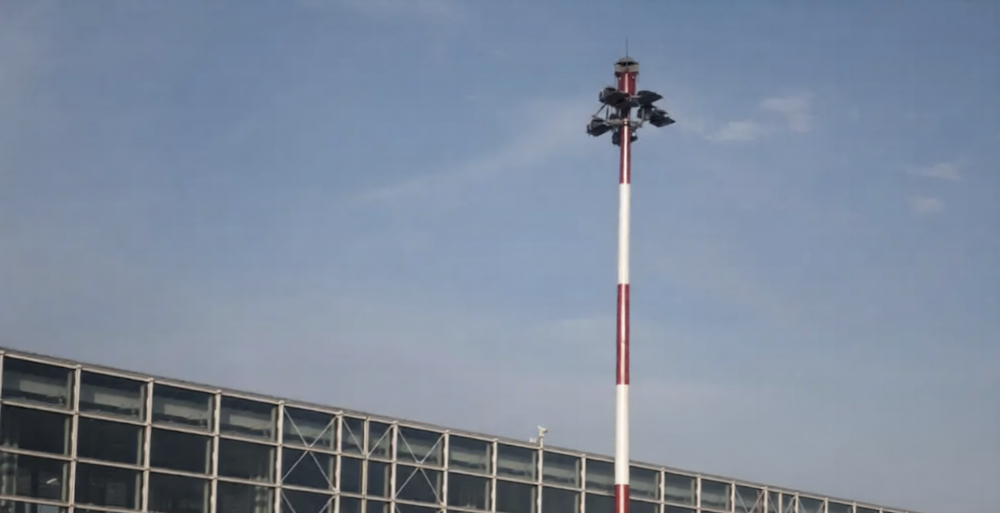
Benjamin Franklin’s pioneering work revealed a fundamental truth: while we cannot control nature’s fury, we can intelligently guide its immense power. His principle of providing a safe path for electrostatic discharge is the cornerstone of modern safety engineering for any tall or valuable structure.
Today’s commercial and industrial facilities face the same unpredictable threat. A direct strike carries catastrophic potential, with temperatures hotter than the sun’s surface and voltages in the millions. Without a dedicated defense network, this raw energy seeks any path, often through a building’s wiring, framework, or plumbing.
The consequence is not just a loud bang and a flash. It can lead to devastating fires, destroyed electronic equipment, and compromised structural integrity. The financial and human cost is immense. Implementing a purpose-built solution is not a luxury; it is a critical responsibility for facility managers and property owners.
This guide explores how a correctly engineered and installed safety system functions. It acts as a proactive shield, intercepting a strike and channeling its tremendous force harmlessly into the earth. This process preserves your physical assets and, most importantly, ensures the safety of everyone inside.
Key Takeaways
- Modern facilities require a dedicated defense against nature’s powerful electrical discharges.
- A robust system serves as the primary shield for a structure’s physical and electrical integrity.
- Proper installation mitigates extreme risks to both property and human life.
- Advanced engineering is needed to safely manage the immense energy involved.
- The core function is to create a controlled, low-resistance path to the ground.
- This proactive measure is essential for compliance, insurance, and risk management.
- Protecting your investment goes beyond the building itself to include all internal operations.
Understanding Air Terminal Lightning Protection
A fundamental piece of safety equipment, known by several names, serves as the designated strike receptor for a structure. This component is officially called an air terminal but is also commonly referred to as a lightning rod, Franklin rod, finial, or protection mast.
Definition and Key Components
This device acts as the critical interception point for electrostatic discharges. It is strategically placed at a facility’s highest elevations.
Engineers use highly conductive metals like copper or aluminum for construction. This ensures the system can effectively attract and manage immense electrical energy.
| Material | Conductivity | Durability | Typical Use |
|---|---|---|---|
| Copper | Excellent | High (develops patina) | Historic & commercial buildings |
| Aluminum | Very Good | Good (lightweight) | Modern industrial facilities |
| Stainless Steel | Good | Exceptional (corrosion-resistant) | Marine or highly corrosive environments |
The Role of Lightning Rods in Facility Safety
The primary function is to provide a preferred, positively charged connection point. It meets a descending leader from a storm cloud, initiating a controlled path.
Without these essential rods, facilities remain dangerously exposed. Secondary effects can include induced fires and catastrophic failures within electrical systems. Proper implementation is a cornerstone of modern structural defense.
How Air Terminals Function Within Lightning Protection Systems
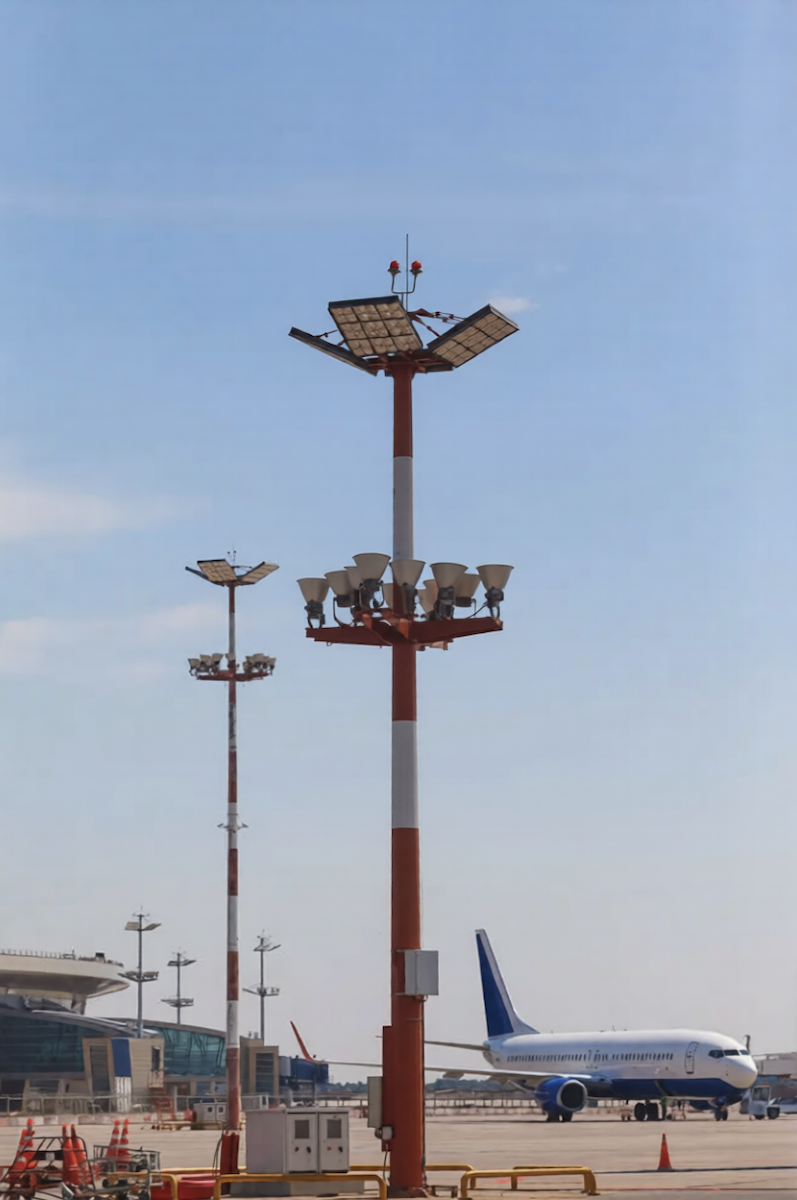
At the heart of every robust structural defense network lies a simple yet powerful scientific concept. This equipment works by creating a preferred, controlled path for immense electrical energy.
The Principles Behind Air Terminal Operation
The fundamental principle relies on a sharp tip accumulating electrostatic charge. This process dissipates the surrounding electrical field.
It presents a low-resistance route for any impending discharge. Benjamin Franklin pioneered the idea that a charged object acts as a conduit.
The Path of Electricity During a Lightning Strike
Once a lightning strike connects with the terminal, current is instantly captured. It is then channeled through a dedicated conductor network.
This network is designed to prevent sparks and potential fire hazards. The energy must be safely dispersed into the ground.
If the earthing network has too much resistance, dangerous conditions arise. The current can spark out, threatening the entire structure and nearby areas.
Installation and Maintenance of Lightning Protection Systems
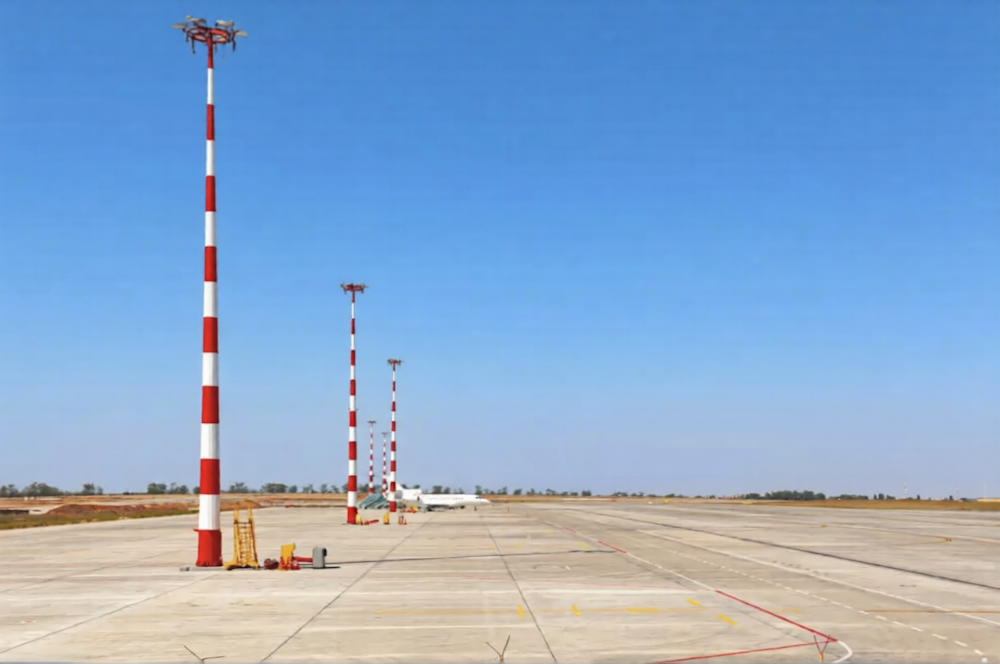
The long-term reliability of any structural defense against electrostatic discharges hinges on two critical pillars: correct initial setup and consistent upkeep.
Proper Installation Techniques and Materials
Professional deployment begins with high-conductivity materials. Copper and aluminum are selected for their excellent performance and durability.
Rod arresters, or masts, are positioned at heights from 1 to 20 meters. This creates an adequate zone of safety for the structure.
A mesh cage is often added to roofs. Its grid spacing varies from 5×5 meters to 20×20 meters based on facility risk category.
All components must be securely fastened and bonded. This prevents dangerous sparking and reduces fire risk.
Routine Maintenance and System Checks
Regular inspection is non-negotiable. The grounding network and conductor paths require periodic verification.
Technicians measure resistance to ensure safe energy dissipation. Any corrosion or damage must be addressed immediately.
Preventive care is the cornerstone of operational integrity. A single point of failure can compromise the entire network.
| Component | Check Type | Recommended Frequency |
|---|---|---|
| Grounding Electrodes | Resistance Test | Annually |
| Down Conductors | Visual Inspection | Bi-annually |
| Air Terminals & Masts | Structural Integrity | After major storms |
| Mesh Cage & Bonds | Connection Security | Annually |
Integrating Internal and External Lightning Protection
Effective safeguarding extends beyond the roof, demanding coordination between exterior interceptors and interior guardians. A comprehensive defense strategy must address both the direct strike and its secondary effects. This dual approach ensures complete facility resilience.
Internal Protection Strategies Against Surge Effects
Inside a building, the primary threat is transient overvoltage. Specialized surge protection devices (SPDs) are installed at main electrical panels. They act as pressure relief valves, clamping down on dangerous voltage spikes.
These components protect sensitive electronics and machinery. Without them, induced currents can travel through wiring, causing catastrophic failures. Proper internal defense is non-negotiable for modern operations.
External Protection Components and Their Placement
The exterior network is the first line of defense. It includes elevated strike receptors, down conductors, and a robust earthing network. Each piece must be strategically placed for optimal zone coverage.
Equipotential bonding is a critical final step. It connects all major metallic elements to the grounding system. This practice eliminates dangerous voltage differences, preventing side flashes and sparking.
When internal and external layers work in unison, they create a seamless shield. This integrated method safely channels immense energy away from the structure and its contents.
Implementing air terminal lightning protection in Your Facility
Transforming your facility into a shielded environment requires a clear, step-by-step implementation strategy. This structured process turns engineering plans into operational safety, ensuring long-term resilience and code compliance.
Step-by-Step Guide for System Setup
Begin with a professional risk assessment. The British Standard BS EN 62305 provides the framework for determining your structure’s required safety level.
Next, engineers design the defense network. They select appropriate materials, such as copper or aluminum, for conductors and elevated masts.
A critical installation task is verifying the ground connection. Its resistance must be exceptionally low to safely dissipate immense electrical energy into the earth.
Best Practices and Regulatory Insights
Adherence to technical codes is mandatory. Different geographical regions operate under specific regulatory frameworks.
| Region | Standard Code | Primary Focus |
|---|---|---|
| United Kingdom & EU | BS EN 62305 | Comprehensive risk management |
| Russia | RD 34.21.122-87 | Design for buildings & structures |
| Russia (updated) | 153-34.21.122-2003 | Technical instructions for installation |
Schedule regular visual and mechanical inspections for all external components. Corrosion or physical damage must be addressed immediately to maintain system integrity.
Keep meticulous records of all inspections and tests. Many compliance documentation portals use cookies to track your login and file history, simplifying audit preparation.
Conclusion
From historic landmarks to modern skyscrapers, the need for reliable defense against nature’s electrical fury is universal. Iconic structures like the Empire State Building depend on engineered solutions for their safety and continuity.
A single powerful strike can cause irreparable harm to valuable assets. This makes a professionally installed defense system a critical investment for all types of structures.
True security comes from a comprehensive approach. Combining internal and external measures creates a resilient shield. Consulting with experts is essential to designing a solution that meets modern safety codes.
Do not leave your building’s security to chance. Taking proactive steps today ensures preparedness for tomorrow, providing lasting peace of mind for everyone inside.