Lightning & Surge Protection for Schools and Universities in Sunrise, FL
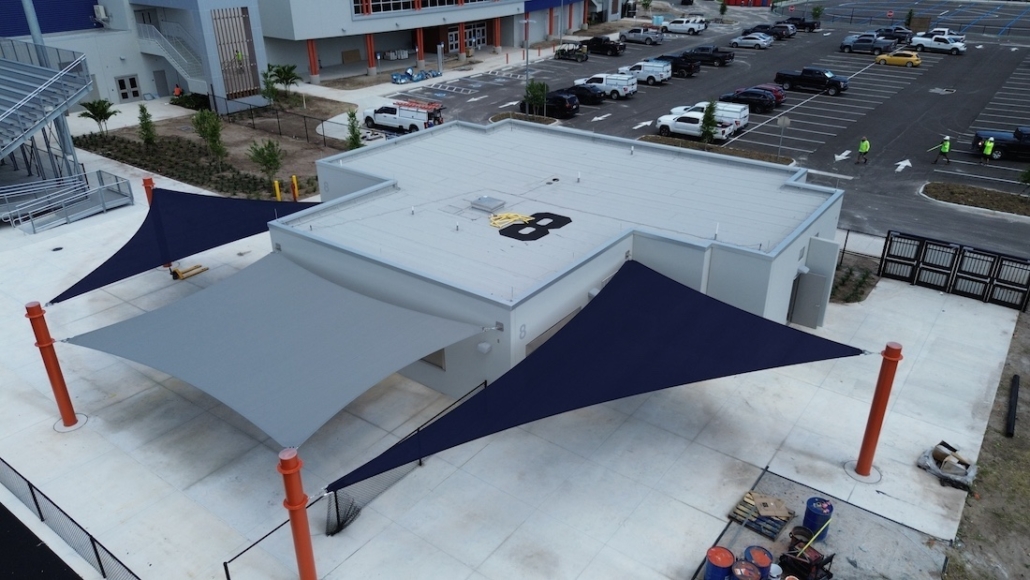
Sunrise, Florida, sits in the heart of Broward County — one of the most lightning-active regions in the entire country. For schools, colleges, and universities in Sunrise, Plantation, Lauderhill, and Tamarac, that’s not a weather statistic. It’s a daily operational risk.
Modern educational facilities are packed with technology. Smartboards, computer labs, server rooms, security camera systems, intercom networks, and administrative data infrastructure — all of it is vulnerable the moment an electrical surge hits your building. A single lightning strike or utility surge event doesn’t just blow a fuse. It can wipe out thousands of dollars in equipment, corrupt irreplaceable student data, and shut down your campus for days.
All South Lightning Protection has been protecting educational facilities across South Florida for decades. If your school or university hasn’t assessed its surge protection strategy recently, this guide is for you.
Why Surge Protection Is Non-Negotiable for Florida Schools
Florida leads the nation in lightning strikes every single year. Broward County school campuses — including those in Sunrise, Plantation, and Tamarac — face storm season exposure that schools in other states simply don’t experience. But lightning isn’t the only threat.
Electrical surges also enter buildings through:
- Utility grid fluctuations and power restoration events
- HVAC cycling on large campus systems
- Nearby construction or industrial electrical interference
- Internal equipment like generators and elevators
The Florida Building Code already mandates that public schools and educational facilities have lightning protection systems installed. But a lightning protection system and a surge protection strategy are two different things — and your campus needs both working together.
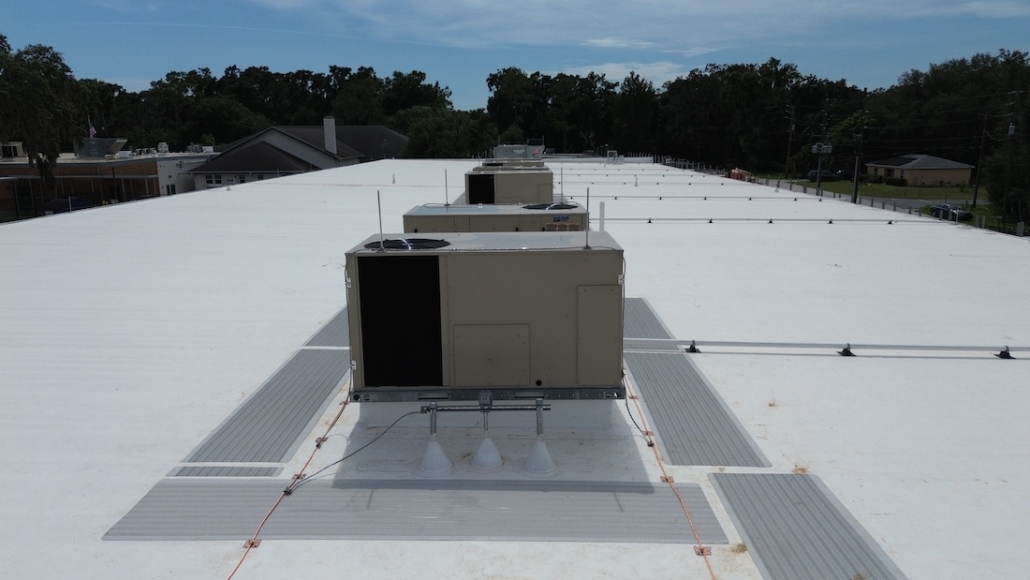
What’s Actually at Risk in Your Classrooms and Buildings
Classroom Technology
Today’s classrooms aren’t what they were twenty years ago. Interactive smartboards, student tablets, teacher workstations, projectors, and AV systems represent a significant capital investment in every room. A voltage spike traveling through your building’s electrical system can damage or destroy multiple devices simultaneously — and your school’s budget rarely has room for emergency mass replacements.
Server Rooms and Administrative Infrastructure
Student records, payroll systems, enrollment data, and compliance documentation live on your school’s servers. A surge event that takes down your server room doesn’t just cost equipment replacement money — it costs data, compliance standing, and staff productivity for weeks. Many educational facilities in Sunrise and surrounding Broward County communities operate networked administrative systems across multiple buildings, compounding the exposure. Learn more about how campuses like yours have experienced real surge-related losses in our post on lessons from school lightning strikes.
Security and Communication Systems
Fire alarm panels, intercom systems, access control systems, and campus-wide security cameras are all electronically sensitive. These aren’t optional systems — they’re legally required life-safety infrastructure. Surge damage to these components creates immediate compliance and liability concerns for school administrators and district leadership.
Science and Computer Labs
Specialized lab equipment, high-performance computers, and research workstations represent some of the highest-value technology investments on any campus. These systems often aren’t covered under standard surge protection assumptions, leaving them exposed.
A Layered Surge Protection Strategy for Educational Facilities
Effective surge protection for schools isn’t a single device — it’s a layered system designed to stop voltage spikes at every entry point into your building. Here’s how All South Lightning Protection approaches campus protection. For a deeper dive into layered protection design, see our full university surge protection systems guide.
Layer 1 — Service Entrance Protection (Whole-Building SPDs)
Surge Protective Devices (SPDs) installed at the main electrical panel intercept large voltage surges before they distribute through the building. This is the first line of defense and is required under the Florida Building Code for educational facilities. Without this layer, every downstream system in your school is exposed.
Layer 2 — Sub-Panel Protection
Large campuses with multiple buildings — common across school districts in Sunrise and throughout Broward County — require SPD coverage at every sub-panel. Surge energy that bypasses or overwhelms the main panel protection gets caught here before it reaches individual classrooms and offices.
Layer 3 — Point-of-Use Protection
This is where individual pieces of equipment — computers, servers, AV systems, lab equipment — receive their final layer of defense. Point-of-use devices rated for the specific load and sensitivity of each piece of equipment provide tailored protection that whole-building systems alone cannot deliver.
Lightning Protection System Integration
A proper surge protection strategy must be coordinated with your facility’s lightning protection system. Air terminals, down conductors, and grounding systems direct a direct lightning strike safely to ground — but the energy from that event still generates a significant surge pulse throughout your electrical system. Without coordinated surge suppression, your electronics can still be damaged even when your lightning protection system performs exactly as intended.
All South Lightning Protection designs these systems to work together as a unified campus protection solution.
Florida Building Code Compliance for Educational Facilities
School administrators and facilities directors in Sunrise, Plantation, Lauderhill, and Tamarac need to understand that Florida law doesn’t leave lightning and surge protection optional for public educational facilities. The Florida Building Code requires that lightning protection systems be installed on schools, hospitals, and nursing facilities statewide.
Beyond the base code requirement, school districts that self-insure or carry commercial property insurance should consult their carrier about potential premium reductions tied to certified lightning and surge protection installations. According to the Lightning Protection Institute, properly installed systems typically cost less than one percent of a structure’s value — a fraction of what a single major surge event can cost in equipment replacement and downtime.
Compliance documentation matters too. All South Lightning Protection provides signed and sealed CAD drawings for every installation, giving your district’s facilities team everything needed for building department submittal, insurance verification, and district records. All installations are designed to meet NFPA 780, the national standard for lightning protection system installation.
Serving Sunrise, FL Schools and the Surrounding Broward County Region
All South Lightning Protection is headquartered right here in Sunrise, Florida. That matters for educational facility clients because our team understands Broward County’s permitting process, school district facilities requirements, and the specific storm exposure patterns that affect campuses across the region.
We regularly serve schools and educational institutions across:
- Sunrise, FL — our home base, with deep familiarity with local building and permitting requirements
- Plantation, FL — commercial and institutional campus work throughout the city
- Lauderhill, FL — K–12 and community facility protection
- Tamarac, FL — municipal and educational infrastructure projects
- Davie, FL — including work near the Broward College South Campus corridor
Whether your district is building a new campus, renovating an existing facility, or auditing your current protection systems for compliance and adequacy, our team is equipped to assess, design, and install a complete solution.
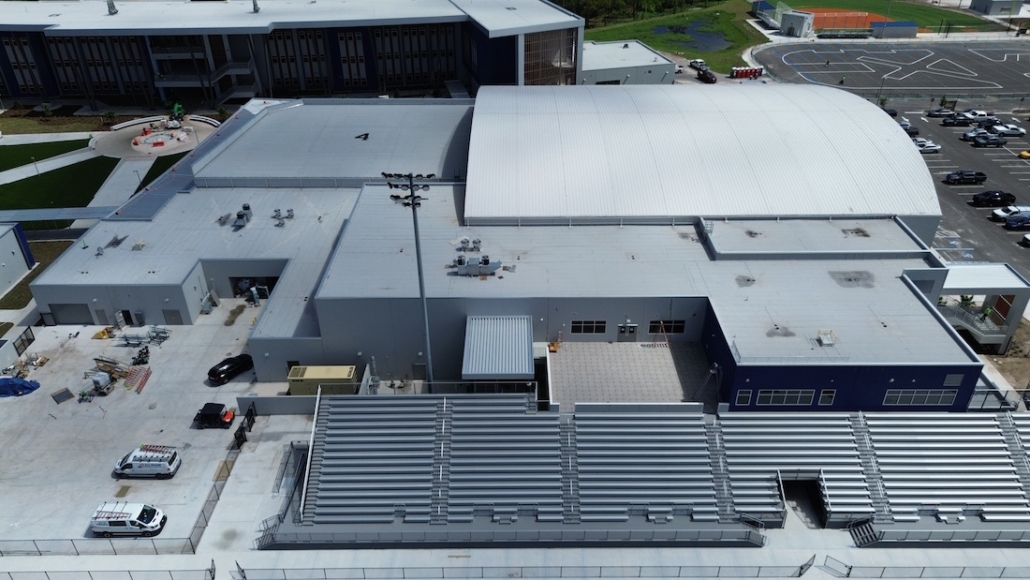
What to Expect from an All South Lightning Protection School Assessment
If you’re not sure whether your campus is adequately protected, the right first step is a professional assessment. Here’s what that process looks like with All South:
- Site walk and inventory — Our team evaluates every building on your campus, mapping electrical entry points, existing SPDs, panel locations, and high-value equipment areas.
- Lightning protection system review — We assess your existing air terminals, conductors, and grounding for code compliance and integration readiness.
- Surge protection gap analysis — We identify every layer where your campus lacks adequate SPD coverage and document the specific equipment at risk.
- Custom system design — Our in-house CAD team produces a complete protection design with signed and sealed drawings ready for permitting.
- Professional installation — Our licensed crew handles every aspect of the installation, coordinating with your facilities team to minimize disruption to school operations.
- Compliance documentation — You receive everything needed for district records, insurance verification, and building department files.
Frequently Asked Questions — Surge Protection for Schools in Sunrise, FL
Is surge protection required by law for Florida schools?
Yes. The Florida Building Code requires that public schools, hospitals, and nursing facilities have lightning protection systems installed. Beyond the code baseline, professional surge protection is strongly recommended to protect the electronic investment your district carries in every building.
What’s the difference between a lightning protection system and surge protection?
A lightning protection system — air terminals, conductors, and grounding — safely routes a direct lightning strike to the ground. Surge protection devices intercept voltage spikes traveling through your electrical system, which can originate from lightning, utility grid events, or internal equipment. Both systems are necessary and should be designed to work together. Our Lightning Protection 101 for Educational Institutions guide covers this distinction in full detail.
How much does surge protection for a school campus cost?
Cost varies based on campus size, number of buildings, existing infrastructure, and the scope of protection needed. The Lightning Protection Institute estimates that complete lightning and surge protection systems typically run less than one percent of a structure’s replacement value. All South provides assessments and detailed proposals at no obligation.
Can surge protection be installed without disrupting school operations?
Yes. Our installation teams routinely work around school schedules, including evenings, weekends, and scheduled break periods, to minimize disruption to students and staff.
Does All South Lightning Protection serve school districts outside Sunrise?
Absolutely. While we are based in Sunrise, we serve educational facilities throughout Broward County and across South Florida, including Plantation, Lauderhill, Tamarac, Davie, and beyond. We also serve clients statewide and nationally.
Protect Your Campus Before the Next Storm Season
Florida’s peak lightning season runs from June through September — and Broward County campuses take some of the highest strike density in the state during that window. The time to assess and upgrade your school’s surge protection is before that season arrives, not after an event forces your hand.
All South Lightning Protection has served educational facilities, school districts, and university campuses across South Florida for decades. Our team is based in Sunrise, licensed in Florida, and equipped to design and install a complete, code-compliant campus protection system that covers every building, every panel, and every piece of technology your school depends on.
Call All South Lightning Protection today at (813) 630-2757 to schedule your campus assessment. Protect the technology your students and staff rely on every day.