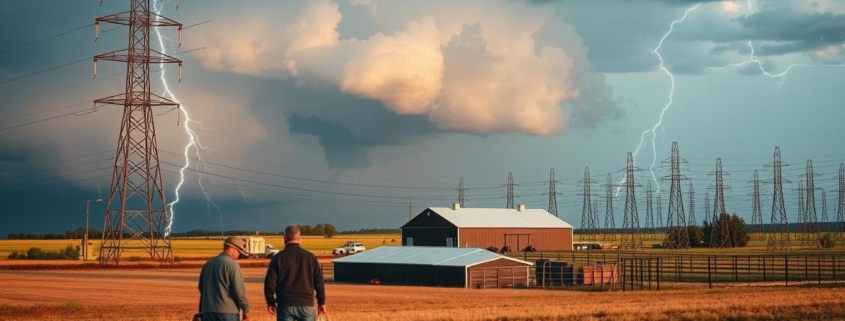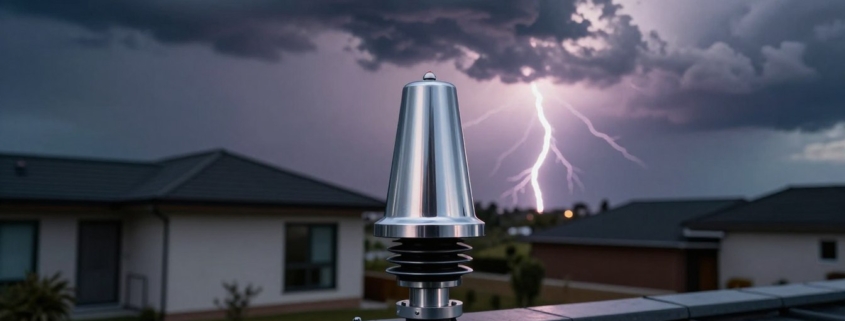
A sudden electrical storm can unleash incredible power. This natural force carries immense energy, posing a serious threat to any structure. Without proper safeguards, the results can be catastrophic for both homes and businesses.
Modern properties are filled with sensitive electronics and vital systems. From home offices to commercial servers, our daily operations depend on this technology. A single surge can cause irreversible harm to equipment and data.
Professional safety measures are no longer an optional luxury. They are a fundamental requirement for property preservation. A comprehensive approach involves multiple components working together seamlessly.
This guide delivers expert knowledge on understanding and selecting the right protective solutions. We will cover technical mechanisms, installation requirements, and vital compliance standards. Our goal is to equip you with the information needed to make an informed decision.