How to Choose a Lightning Protection Company in Tampa
TL;DR: When you start comparing lightning protection company options in Tampa, the websites all start to sound the same. Everyone is “trusted.” Everyone is “experienced.” The problem is that lightning doesn’t grade on marketing copy, and neither do the insurers and inspectors who review your building after a strike. What separates a real commercial lightning protection contractor from a parts-and-labor crew is verifiable: years in the field, named projects you can drive past, certifications that survive an audit, and engineering you can hand to an architect. All South has spent 40 years building exactly that record across Florida.
This guide lays out what to actually look for, why it matters for a commercial building, and where the credentials separate the contenders from the pretenders.
Why a Commercial Building Needs a Specialist, Not a General Contractor
Lightning protection sits in an awkward gap. It touches the roof, the electrical service, the structural steel, and the grounding system, so plenty of general contractors assume they can bolt on a few rods and call it done. That assumption fails the moment a system is inspected.
A complete system is five coordinated parts: strike termination devices, down conductors, a grounding electrode system, equipotential bonding, and staged surge protection. Miss the bonding and a direct strike arcs internally between unequal grounds — the failure mode that quietly fries electronics. This is why commercial lightning protection in Tampa is a discipline, not an add-on, and why our work centers entirely on lightning protection systems rather than treating them as a side service.
The Credentials That Actually Matter
Ask any lightning protection contractor in Tampa, FL, for proof, and watch what they can produce. These are the markers worth weighing.
Decades in the field, not months
All South has protected Florida structures for more than 40 years. That tenure shows up in our BuildZoom score of 105 — top 8% of more than 191,000 Florida contractors — alongside BBB accreditation and membership in the Procore construction network. None of those are vanity badges. They’re the paper trail a risk manager checks before signing.
Certification you can document
A finished system should earn UL 96A certification, which inspects the completed installation and issues a certificate on a five-year recertification cycle. Partial systems don’t qualify — only complete ones do. We install to NFPA 780, the standard Florida requires for new commercial construction, so the work is compliant by design rather than by hope. Our inspection program keeps that certification current as buildings change.
In-house engineering
This is the quiet differentiator. We produce sealed engineering drawings and CAD designs in-house, which matters enormously to architects, engineers, and any project that needs a permit-ready package. When the lightning protection plans are coordinated with the structural set instead of improvised on the roof, the inspection goes smoothly, and the timeline holds.
Proof You Can Point To Across Three Markets
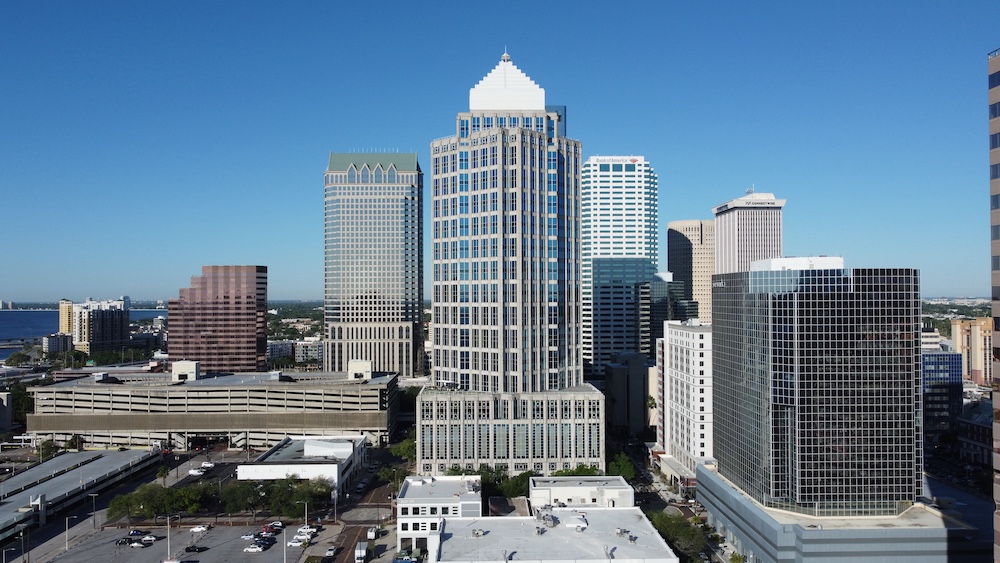
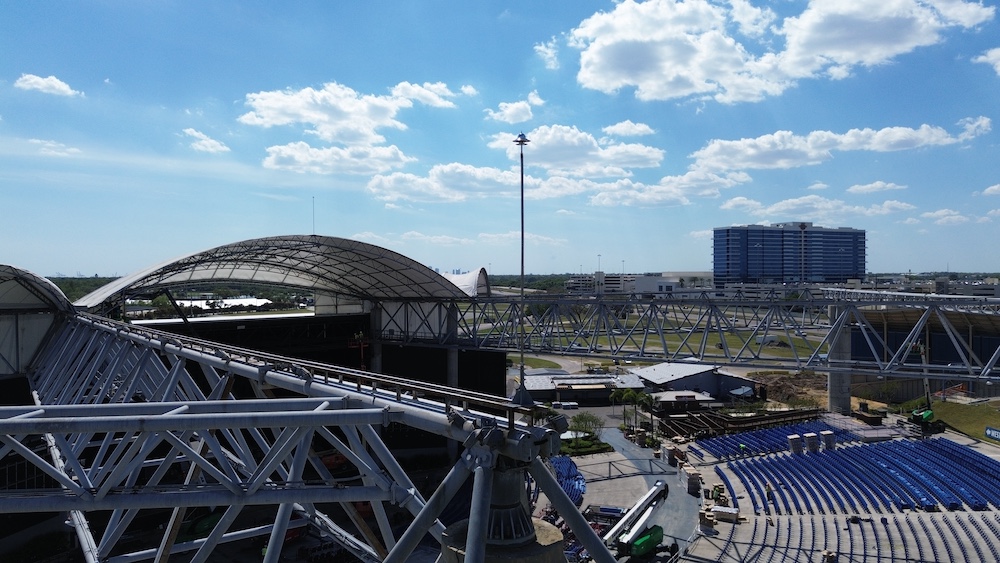
The best lightning protection contractor in Florida should be able to name the buildings, not just the services. We can. Our air terminals and Faraday systems protect Tampa Convention Center, Tampa General Hospital, Tropicana Field in St. Petersburg, Zoo Tampa, and the historic JC Newman Cigar Factory in Ybor City. That’s local proof in your own backyard.
We work statewide, too. As a lightning protection company serving Jacksonville and Sunrise, as well as Tampa, we run crews out of all three regions, so a Duval County hospital or a Broward County government campus gets the same standard as a project down the street from our Tampa headquarters. You can browse the range on our healthcare projects and education projects pages.
One Contractor, Every Sector
Lightning doesn’t specialize, so neither do we. Across 40 years, we’ve designed protection for data centers worried about uptime, schools bound by Florida’s NFPA 780 requirement, hospitals that can’t evacuate mid-storm, commercial and hospitality properties, government facilities, and sports venues with large exposed crowds.
Each sector leads with a different concern — downtime cost, student safety, patient care, liability — but the engineering discipline underneath is the same. Beyond core systems, we handle surge suppression and grounding and bonding, because protecting the structure and protecting the electronics inside it are two halves of the same job.
Why This Matters in Florida Specifically
Florida records roughly 1.4 million cloud-to-ground strikes a year and leads the nation in lightning density. The sea-breeze convergence over the peninsula concentrates storms right where the buildings are. For a Tampa facility manager, lightning isn’t a rare event to gamble on — it’s a foreseeable hazard, which is exactly the legal language that turns “optional” into “duty of care.” For the science behind that risk, the National Weather Service lightning safety data is a sober read.
Frequently Asked Questions
What makes a lightning protection company “qualified” rather than just available?
Look past the homepage. A qualified contractor installs complete systems to NFPA 780, can earn UL 96A certification on the finished work, produces sealed engineering drawings, and can name completed projects. Tenure helps — decades of field work, third-party scores like BuildZoom, and BBB accreditation give you a verifiable track record instead of a promise.
Do you only serve Tampa?
No. We’re a Tampa-headquartered company that also serves Jacksonville, Sunrise, and the surrounding markets, with crews working out of all three regions. Whether your building is in Hillsborough, Duval, or Broward County, you get the same compliant, certified standard.
How soon should we bring you in on a new project?
As early as possible. When lightning protection is designed alongside the structural and electrical plans, the package arrives permit-ready, and the installation coordinates cleanly with the rest of the build. Calling after the roof is finished usually means more cost and rework. For new construction, a retrofit, or a recertification, the right first step is a site assessment.
If you’re comparing lightning protection company options in Tampa and want answers grounded in your actual building, schedule a site assessment with our team. We’ll evaluate your structure against NFPA 780, document what’s required, and design a system your insurer and inspector will both accept.