Lightning Protection for Tampa’s Port and Industrial Infrastructure: Protecting Large-Scale Assets
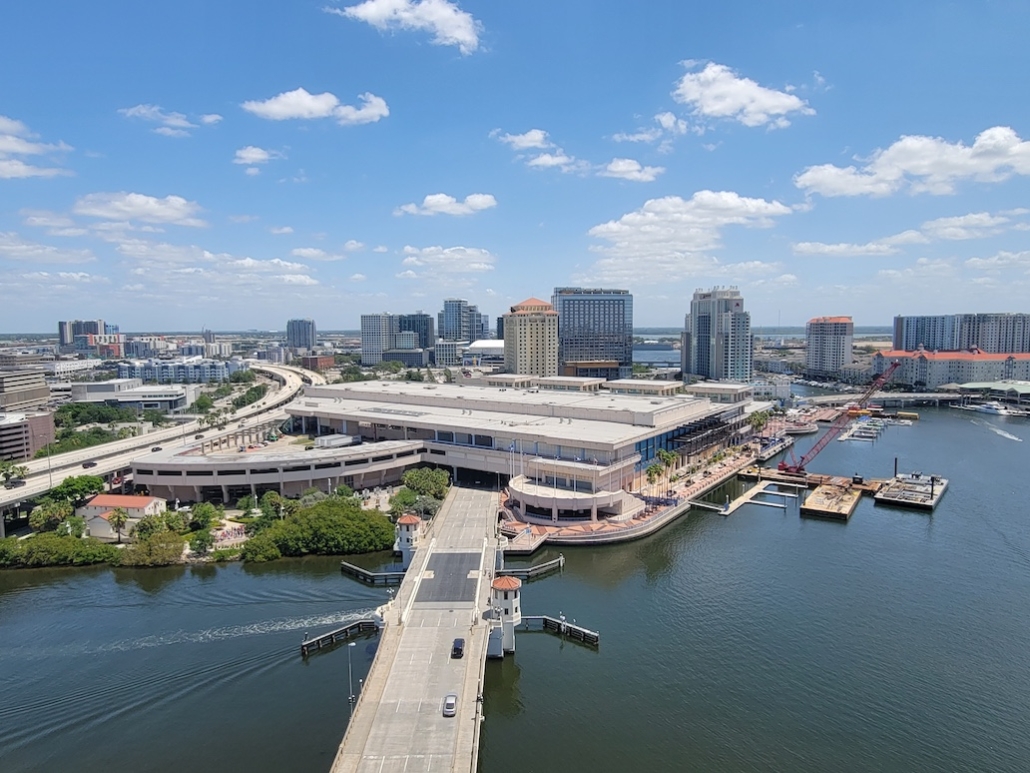
Tampa is one of Florida’s busiest industrial corridors — and one of the most lightning-active regions in the entire country. For the facilities that keep this region running, lightning protection in Tampa isn’t a nice-to-have. It’s a mission-critical part of how you protect people, equipment, and operations.
Port Tampa Bay handles tens of millions of tons of cargo every year. Industrial campuses across Hillsborough County manage power generation, chemical processing, warehousing, and manufacturing. Utility infrastructure runs beneath and above ground across hundreds of acres. These aren’t small projects — and they can’t be served with off-the-shelf lightning protection.
At All South Lightning Protection, we’ve spent nearly 30 years designing and installing large-scale systems across Florida. When the scale of a project demands Class II lightning protection systems, sealed engineering drawings, and permit-ready documentation, our in-house CAD capability makes us the contractor built for the job.
Why Industrial and Port Facilities Require a Different Standard
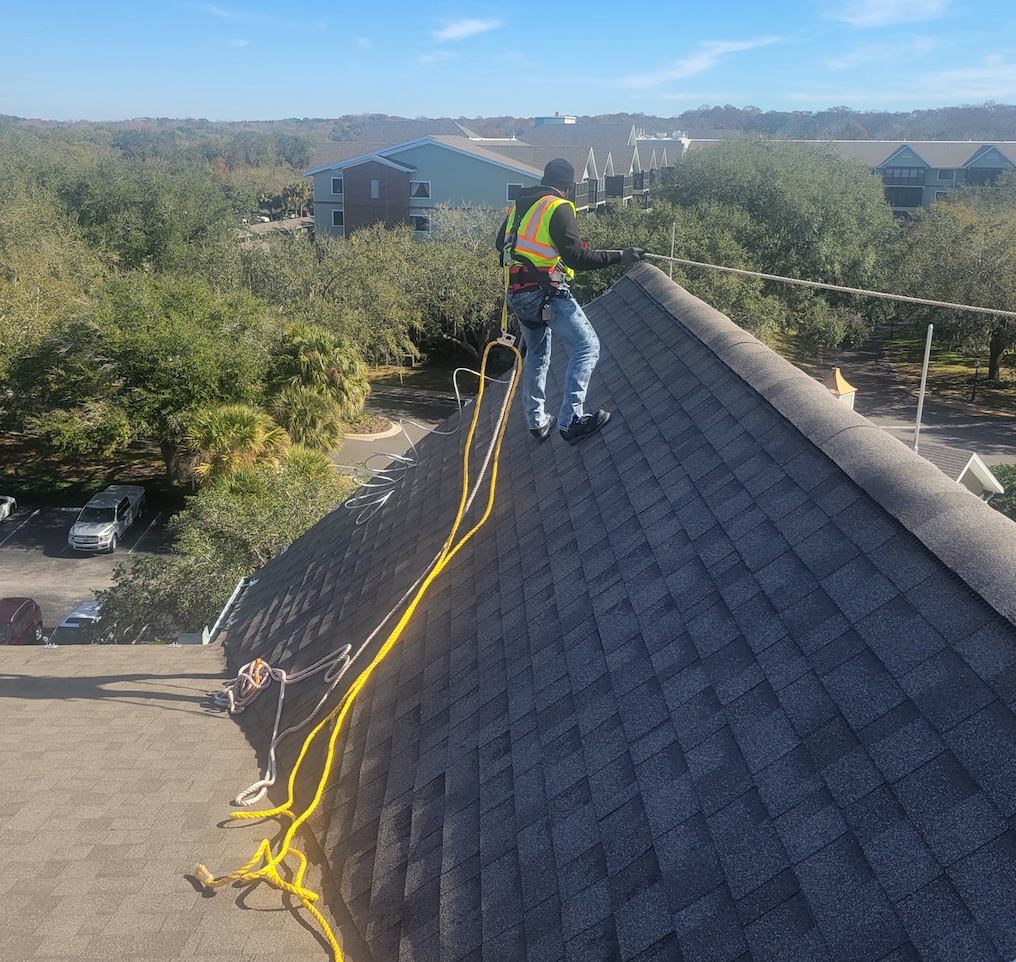
Most lightning protection systems you’ll find on commercial buildings are Class I systems — designed for structures under 75 feet and standard occupancies. But when you move into port lightning protection Tampa territory or onto a large industrial campus, the rules change.
Under NFPA 780, the national standard for lightning protection systems, structures exceeding 75 feet in height require Class II materials. That means heavier conductors, more robust air terminal spacing, and a grounding system engineered to handle the energy demands of a large, complex structure.
Class II requirements don’t just apply to tall buildings. Large horizontal structures — think warehouses, tank farms, loading facilities, and marine terminals — also fall into special application categories under NFPA 780. The rolling sphere method used in system design identifies protection zones based on the geometry of the structure, and large, flat industrial footprints require just as much careful planning as tall towers.
For a facility at Port Tampa Bay, that engineering work has to account for:
- The sheer size and distributed footprint of port infrastructure
- Saltwater-adjacent environments that accelerate conductor corrosion
- The presence of fuel, chemicals, or other hazardous stored materials
- High-value electrical and control systems that require surge coordination alongside structural protection
Getting this wrong doesn’t just risk property damage. It can shut down operations for days, compromise safety systems, and trigger regulatory scrutiny.
Class II Lightning Protection Systems: What They Actually Require
Understanding Class II specifications is important for facility managers, project engineers, and general contractors before a project goes to permit. Here’s what distinguishes a Class II system from standard commercial work.
Heavier Conductor Sizing
Class II systems require larger conductor cross-sections than Class I. Main conductors must be sized to carry the energy of a lightning event across a larger system without failure. For industrial facilities with hundreds of feet of conductor runs, this sizing has to be calculated carefully — not estimated.
Air Terminal Placement for Large Structures
The rolling sphere method used under NFPA 780 determines where air terminals must be placed to provide complete protection. On a large industrial building or a port terminal, that analysis produces a placement plan that’s far more complex than a typical commercial roof layout. Software modeling is typically used to verify coverage across the full structure.
Comprehensive Grounding for Industrial Environments
Industrial grounding is where many lightning protection installations fall short. A ground electrode system that meets standard residential or light commercial requirements is not adequate for a facility running high-voltage electrical equipment, variable frequency drives, or process control systems.
Proper industrial grounding involves low-resistance electrode systems — often ground rings, driven rod arrays, or concrete-encased electrodes — designed to dissipate the energy of a lightning event without creating dangerous ground potential rise. Bonding between lightning protection grounds, electrical service grounds, and equipment grounds is also required to eliminate voltage differentials that can damage sensitive electronics and create shock hazards.
Surge Protection Coordination
A structural lightning protection system stops a direct strike from destroying the building. But transient voltages — induced surges that travel through electrical and data lines — require a separate, coordinated layer of protection. For industrial facilities, that means TVSS (Transient Voltage Surge Suppressors) at the service entrance, at sub-panels, and at critical equipment loads.
NFPA 780 requires surge protective devices at the electrical service for lightning protection system installations. IEEE guidelines recommend additional downstream protection at branch panels and at sensitive equipment. For industrial control systems, the cost of a surge event going unprotected typically far exceeds the cost of proper suppression.
The Permit Challenge: Why Sealed CAD Drawings Matter
Here’s where many lightning protection contractors hit a wall on large industrial and port projects: the permit process.
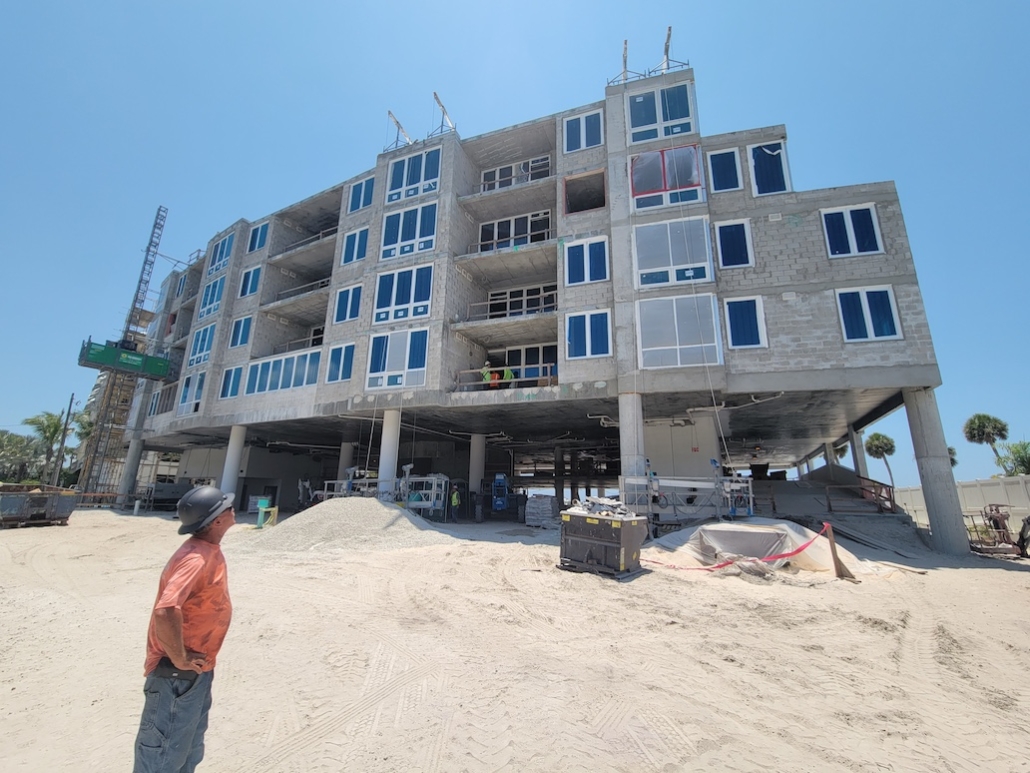
Tampa’s building department and Hillsborough County require permit applications for large-scale lightning protection systems to include sealed engineering drawings. That means stamped, signed CAD plans produced by a licensed professional — not a hand-drawn sketch or a boilerplate system diagram.
For most lightning protection contractors, that means subcontracting the drawing work to an outside engineer, adding cost and — more importantly — adding weeks to the timeline. Coordination between field crews and outside drawing teams creates delays. Revisions go back and forth. The permit window drags out.
All South Lightning Protection handles this differently. Our in-house CAD design team produces permit-ready, signed, and sealed drawings for large-scale industrial and port projects without subcontracting. That means:
- Drawings are produced by people who actually know lightning protection systems
- Revisions are handled internally, not through a third-party bottleneck
- Permit packages are complete and coordinated from the start
- Your project timeline stays on track
For a general contractor managing a complex industrial build, that kind of single-source accountability is the difference between a smooth permit process and a project-delaying back-and-forth.
Port Tampa Bay and Industrial Sites: What We’ve Seen
Port lightning protection Tampa Bay projects come with a specific set of environmental and operational challenges that standard commercial experience doesn’t prepare a contractor for.
Saltwater proximity accelerates corrosion of lightning protection components. Copper conductors and stainless hardware are the right materials choice for marine and waterfront industrial sites — and All South specifies and sources them accordingly.
Large, open outdoor areas — loading docks, container yards, fuel storage, crane infrastructure — require protection planning that extends beyond the building envelope. The rolling sphere analysis has to cover exposed outdoor assets, not just rooftop systems.
Mission-critical operations mean that installation scheduling has to work around facility operations. All South’s crews have the experience to coordinate work on active industrial and port sites, working within safety requirements, operational windows, and phased access schedules.
We’ve worked on large-scale industrial and commercial projects across Florida, with a track record that includes complex multi-structure sites and 200-acre project footprints. The repeat business and referrals we receive from general contractors and facility managers speak to the quality of that work.
Frequently Asked Questions
What is a Class II lightning protection system?
Class II systems are required under NFPA 780 for structures exceeding 75 feet in height. They use heavier conductor sizing and more robust components than Class I systems, making them the standard for large industrial facilities, port infrastructure, and tall commercial buildings. Some large horizontal structures and special-risk occupancies also require Class II design regardless of height.
Do industrial lightning protection systems require permits in Tampa?
Yes. Large-scale industrial and port projects in Tampa require permit applications supported by sealed engineering drawings. All South Lightning Protection handles permit-ready CAD documentation in-house, which keeps the permitting process moving without outside engineering delays.
Why is industrial grounding different from standard grounding?
Industrial environments carry large electrical loads, sensitive control systems, and, in some cases, hazardous materials that require low-resistance ground electrode systems specifically engineered for the site. Proper bonding and grounding in these settings prevents dangerous ground potential rise and protect equipment from transient voltages that travel through electrical and data infrastructure.
Does All South serve Port Tampa Bay and waterfront industrial sites?
Yes. All South Lightning Protection designs and installs lightning protection systems for port facilities, marine terminals, warehousing campuses, and large private industrial sites throughout the Tampa Bay region. Our in-house CAD team handles the permit documentation required for large-scale infrastructure projects.
How does surge protection fit into an industrial lightning protection system?
Structural lightning protection handles the direct-strike risk. Surge protection — TVSS devices at the service entrance, sub-panels, and critical equipment — handles the transient voltage events that travel through electrical and data lines. Both layers are required for comprehensive protection in industrial environments. All South designs and installs both.
Ready to Protect Your Industrial or Port Facility?
If you’re managing a project at Port Tampa Bay, running an industrial campus in the Tampa area, or overseeing infrastructure that requires Class II lightning protection with permit-ready documentation, All South Lightning Protection is the contractor built for that work.
Our in-house CAD team, 30 years of Florida experience, and track record on large-scale industrial projects mean you get a system that’s engineered right, permitted right, and installed right — without the subcontractor delays that slow other projects down.
Contact All South Lightning Protection today to discuss your industrial or port lightning protection project.