Life-Support on the Line: What Broward County Hospitals Must Get Right About Lightning and Surge Protection
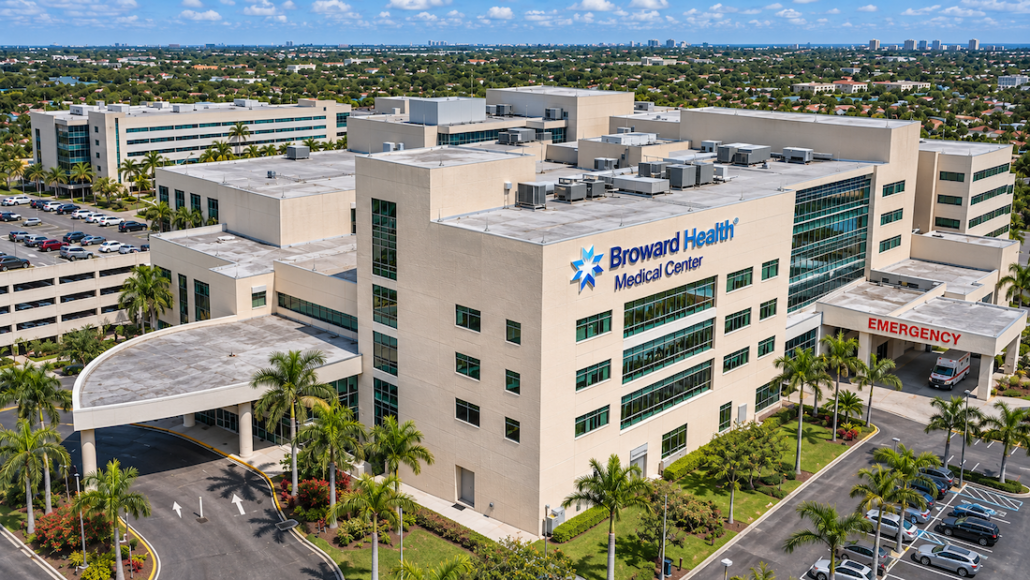
Every facility manager in Florida knows lightning is a serious operational risk. But hospital facilities directors in Broward County carry a burden that no other sector shares: when a storm rolls in off the Atlantic, you cannot tell your patients to leave. A surgical suite mid-procedure, an ICU patient on a ventilator, a premature infant in a NICU incubator — none of them can wait out a storm in a parking garage. That reality is why hospital lightning protection in Broward County isn’t a capital improvement you schedule when the budget allows. It’s a patient safety obligation with a legal compliance framework behind it, and the consequences of getting it wrong are measured in lives and liability, not just equipment replacement costs.
This post is written for the people who carry that weight: hospital administrators, facilities directors, and risk managers at Broward County health systems. We’ll walk through what federal regulations and accreditation standards actually require, where most hospital lightning protection systems fall short, and what a code-compliant, fully coordinated system looks like in practice.
The Regulatory Framework: 42 CFR §482.15, Joint Commission, and NFPA 780
Federal Conditions of Participation for Medicare and Medicaid — specifically 42 CFR §482.15 — require hospitals to maintain an emergency preparedness program that addresses utilities management, including electrical systems. The Centers for Medicare & Medicaid Services interprets this to include protection against foreseeable environmental hazards. In Florida, with 76 cloud-to-ground lightning flashes per square mile per year — the highest density in the United States — a direct or near-miss strike is not a low-probability event. It is a foreseeable hazard, and regulators treat it that way.
The Joint Commission reinforces this through its Environment of Care (EC) standards, particularly EC.02.05.01, which governs the management of utility systems. Surveyors look for documented evidence that the facility has identified risks to utility systems — including lightning and transient overvoltage — and has controls in place. A hospital that cannot produce a current UL 96A certificate, a coordinated surge protection plan, or documented inspection records is exposed during any survey cycle.
At the installation level, the governing standard is NFPA 780 (2026 edition), which defines the design and component requirements for a complete lightning protection system. Florida requires NFPA 780 compliance for new commercial construction, and hospitals — as critical facilities — are held to Class II system requirements given that most exceed 75 feet in height. Class II systems require down conductors sized at a minimum of 115,000 circular mils of copper, and the grounding electrode system must achieve less than 25 ohms of resistance with bonding connections at or below 1 ohm. These aren’t suggestions; they’re the engineering floor.
Why Broward County Hospitals Face Elevated Exposure
Broward County sits in one of the most lightning-active corridors in North America. The county averages well over 100 thunderstorm days per year, and the sea-breeze convergence zone that forms between the Atlantic coast and the Gulf side of the peninsula produces afternoon convective storms with remarkable regularity from May through October. The National Weather Service consistently ranks the Tampa-to-Miami corridor as the highest-risk lightning region in the country, and Broward sits squarely in that band.
The hospital campuses in this county — large, multi-building complexes with rooftop mechanical equipment, helipads, communications infrastructure, and extensive underground utility networks — present a complex protection challenge. A single campus may have a main tower, a medical office building, a parking structure, a central utility plant, and a freestanding emergency department, all of which need to be part of a coordinated protection zone. A lightning protection system designed only for the main tower leaves the rest of the campus — and the electrical infrastructure connecting it — unprotected.
Broward County also has a dense concentration of major health systems: Broward Health, Memorial Healthcare System, Cleveland Clinic Florida, and HCA Florida facilities, among others. These are large, complex organizations with aging infrastructure in some facilities and newer construction in others. The protection requirements differ by building age, height, and occupancy, and a one-size approach doesn’t work.
The Equipment at Risk — and What a Strike Actually Costs
Hospital administrators sometimes frame lightning protection as an equipment protection issue. It’s more accurate to frame it as a patient care continuity issue, because the equipment that fails is the equipment keeping patients alive.
A direct strike or a significant induced transient can damage or destroy:
- MRI and CT imaging systems — replacement costs range from $500,000 to over $3 million per unit, with lead times of six months or more for some configurations
- Surgical suite equipment — electrosurgical units, anesthesia delivery systems, and patient monitoring equipment are all sensitive to transient overvoltage
- Life-support systems — ventilators, infusion pumps, and cardiac monitors in ICU and step-down units
- NICU incubators and warming units — among the most sensitive equipment in any hospital
- Electronic health record servers and networking infrastructure — a surge that takes down the EHR system during active patient care creates immediate safety risk and regulatory exposure
- Building automation and HVAC controls — in a hospital, loss of environmental controls in an OR or sterile processing department is a patient safety event
Data center downtime costs are often cited at $5,000 to $10,000 per minute. Hospital downtime — when it involves clinical systems — carries costs that are harder to quantify but substantially higher when patient harm is involved. The average lightning insurance claim nationally runs approximately $18,641 (2024 Insurance Information Institute data), but that figure reflects residential and small commercial losses. A single strike event at a major hospital campus can generate claims in the millions.
Where Most Hospital Lightning Protection Systems Fall Short
In our experience working on healthcare facilities across Florida — including Tampa General Hospital’s helipad system and the Orlando VA Medical Center — the most common deficiencies we find in existing hospital lightning protection systems fall into four categories.
1. Incomplete Surge Protection Coordination
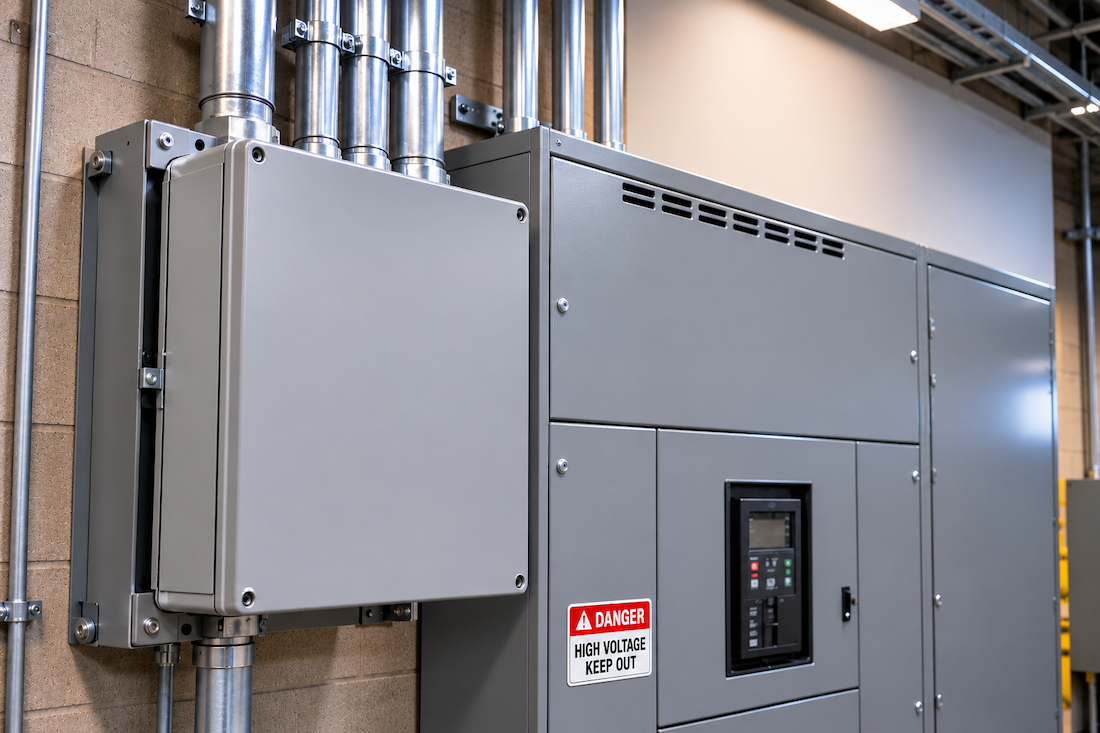
NFPA 780 and NFPA 70 (NEC) both require a coordinated, three-tier surge protective device (SPD) strategy: Type 1 devices at the service entrance, Type 2 devices at distribution panels, and Type 3 devices at point-of-use for sensitive equipment. Most hospitals have some SPDs installed, but they’re rarely coordinated as a system. A Type 2 panel-level device without a Type 1 at the service entrance is working without a backstop. A Type 3 at the imaging suite without a Type 2 upstream is working without context. All three tiers must be present and sized correctly for the protection to be meaningful.
2. Expired or Lapsed UL 96A Certification
A UL 96A Master Label certificate is valid for five years. After that, the system must be reinspected and recertified. We regularly encounter hospital facilities where the original certificate was obtained during construction and never renewed — sometimes a decade or more later. An expired certificate doesn’t just mean the paperwork is out of date; it means the system hasn’t been verified to still meet the standard after years of rooftop work, equipment additions, and building modifications. Joint Commission surveyors and insurance underwriters both ask for this documentation. Not having it is a finding.
3. Rooftop Modifications That Void Coverage
Hospitals are living buildings. Rooftop HVAC units get replaced. New communications antennas go up. Solar arrays get added. Generator exhaust stacks get relocated. Every one of these modifications can create a gap in the air terminal coverage zone — and under the Rolling Sphere Method (the 150-foot sphere model that replaced the obsolete 45-degree cone of protection), even a modest new rooftop structure can fall outside the protected zone if the system isn’t updated. The system that was compliant at certificate issuance may not be compliant today.
4. Inadequate Equipotential Bonding
NEC 250.106 requires that lightning protection grounding electrodes be bonded to the building’s electrical grounding electrode system. NEC 250.60 governs how those electrodes relate to each other. When bonding is incomplete — when a new building addition connects to the main electrical system but not to the lightning protection grounding network — you create the conditions for side flash: the dangerous arc that jumps between two conductors at different potentials during a strike event. In a hospital, a side flash event near patient care areas is a serious safety incident. Proper equipotential bonding eliminates the potential difference that causes it.
What a Complete, Code-Compliant Hospital Lightning Protection System Looks Like
A properly designed hospital lightning protection system integrates five interdependent components that must work together. No single component provides meaningful protection on its own.
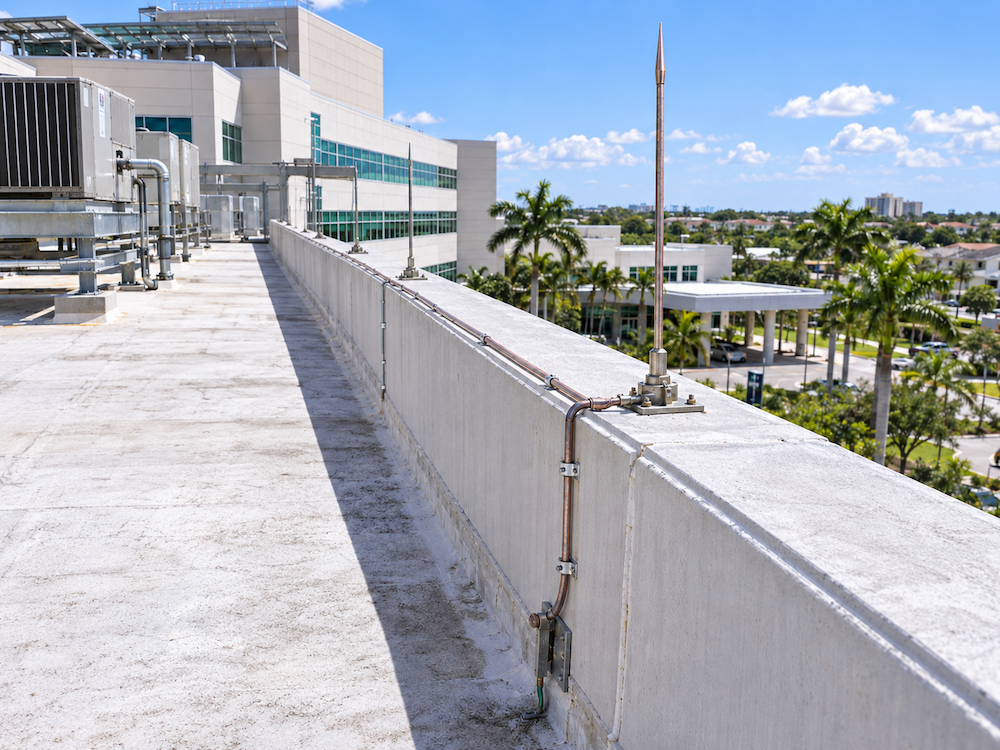
Air terminals are positioned using the Rolling Sphere Method to ensure complete coverage of all roof surfaces, including mechanical equipment, rooftop HVAC, communications infrastructure, and helipads. NFPA 780 specifies moderately blunt-tipped terminals — not sharply pointed rods — because the physics of strike attachment favor a moderate tip geometry.
Down conductors are sized for Class II (115,000 cmil minimum copper) and routed to minimize bends and maintain the shortest practical path to ground. In a hospital, routing must be coordinated with the building structure, wall assemblies, and existing MEP systems — which is why permit-ready CAD drawings and sealed engineering documents matter. Our lightning protection systems include full engineering documentation for permit submission.
The grounding electrode system is designed to achieve less than 25 ohms resistance. In Broward County’s sandy coastal soils, achieving that resistance may require a driven ground bed with multiple electrodes, chemical ground enhancement, or a ground ring configuration. Soil resistivity testing before design is not optional — it’s the only way to know what you’re working with.
Equipotential bonding connects the lightning protection grounding system to the building electrical ground, structural steel, metallic piping, and any other conductive systems in the facility. This is where NEC 250.106 and 250.60 compliance is demonstrated, and it’s the component most often missing or incomplete in older systems.
Surge protective devices — all three tiers — are selected and sized based on the facility’s electrical service characteristics and the sensitivity of the equipment being protected. For a hospital with MRI suites, surgical equipment, and critical IT infrastructure, the SPD specification is not a commodity decision. The Lightning Protection Institute publishes guidance on SPD coordination that is worth reviewing alongside your electrical engineer.
For facilities with sensitive data infrastructure — EHR servers, PACS imaging systems, clinical networking — IEC 62305-4 defines the Lightning Protection Zone (LPZ) framework that establishes LPZ 2 requirements for server rooms and data closets. Our surge suppression services address this layer specifically, and our grounding and bonding work ensures the foundation those SPDs depend on is solid.
<
The Inspection and Documentation Obligation
For hospital facilities directors, the inspection record is as important as the system itself. A lightning protection system that exists but cannot be documented — with current UL 96A certification, inspection reports, and as-built drawings — provides no protection in a Joint Commission survey, an insurance audit, or a post-incident liability review.
Our system inspection services include a full physical inspection of all system components, resistance testing of the grounding electrode system, verification of SPD installation and condition, and a written report suitable for your compliance files. For systems that require recertification, we coordinate the UL 96A process — UL inspects and certifies; we ensure the system is ready to pass.
Post-storm inspections are equally important. A near-miss strike — one that doesn’t cause visible damage — can still degrade SPD components, loosen bonding connections, or partially damage air terminals. If your facility experienced a significant storm event and hasn’t had a post-storm inspection, that’s a gap worth closing before the next storm season.
Frequently Asked Questions
Does 42 CFR §482.15 specifically require a lightning protection system?
The regulation doesn’t name lightning protection by that term, but it requires hospitals to address foreseeable environmental hazards as part of their emergency preparedness program. In Florida — where lightning is the most foreseeable electrical hazard a building faces — CMS and accreditation surveyors expect documented controls. A complete NFPA 780-compliant system with current UL 96A certification is the standard way to demonstrate that control. Facilities without it are exposed during surveys and in post-incident liability reviews. Your risk manager and legal counsel should be part of this conversation.
How often does a hospital lightning protection system need to be inspected?
UL 96A certification is valid for five years, after which the system must be reinspected and recertified. Beyond that formal cycle, NFPA 780 recommends annual visual inspections and an inspection after any significant storm event or rooftop modification. For a hospital campus with ongoing construction, equipment additions, and rooftop changes, annual inspections are a practical minimum. Any modification that adds a rooftop structure — HVAC unit, antenna, solar panel array — should trigger an immediate review of air terminal coverage under the Rolling Sphere Method.
Our hospital has surge protectors on critical equipment. Is that sufficient?
Point-of-use surge protectors — Type 3 SPDs — are one layer of a three-layer system. Without Type 1 protection at the service entrance and Type 2 protection at distribution panels, a Type 3 device is absorbing energy it was never designed to handle alone. A direct strike or a significant induced transient will overwhelm a point-of-use device that isn’t backed by upstream suppression. The three-tier coordination requirement exists precisely because no single tier can do the job alone. If your facility has only point-of-use devices, the system is incomplete.
What happens to our lightning protection system when we add a new building or wing?
Any addition to the facility — a new patient tower, a freestanding ED, a medical office building, a parking structure — must be evaluated as part of the overall campus protection system. The new structure needs its own compliant lightning protection system, and that system must be bonded to the existing campus grounding network. Failure to do this creates isolated ground systems at different potentials, which is exactly the condition that produces side flash. It also voids the UL 96A certification on the existing system if the addition connects to the same electrical infrastructure without proper coordination.
Can we get a UL 96A certificate for a system that was installed years ago without one?
Yes, but the system must first be brought into compliance with current NFPA 780 and UL 96A requirements. That typically means a full inspection to identify deficiencies, remediation work to correct them, and then a UL inspection for certification. For older systems, this process often uncovers conductor sizing issues, missing bonding connections, inadequate grounding resistance, and SPD gaps. The remediation scope varies significantly by facility age and original installation quality. A site assessment is the only way to know what you’re working with before committing to a scope of work.
Schedule a Site Assessment Before Your Next Survey Cycle
Joint Commission surveys don’t announce themselves with enough lead time to retrofit a lightning protection system. Insurance renewals come with underwriter questions that require documentation you either have or you don’t. And storm season in Broward County doesn’t wait for capital budget approval.
The facilities directors and risk managers who avoid the worst outcomes are the ones who treat lightning protection as an ongoing compliance obligation — with current certification, documented inspections, and a system that reflects the building as it actually exists today, not as it was when the original certificate was issued.
All South Lightning Protection has worked on healthcare facilities across Florida for more than 40 years, including Tampa General Hospital, the Orlando VA Medical Center, and Aravilla Assisted Living. We provide permit-ready CAD drawings, sealed engineering documents, full system installation, and UL 96A inspection coordination. Our team understands the operational constraints of working in an active healthcare environment — we schedule around patient care, coordinate with facilities staff, and document everything your compliance files require.
If your Broward County hospital hasn’t had a lightning protection system assessment in the past five years — or if you’ve had rooftop modifications since your last UL 96A certification — schedule a site assessment with our team before your next survey cycle or storm season, whichever comes first.