House Struck by Lightning: Your First 24-Hour Action Plan (and What Comes After)
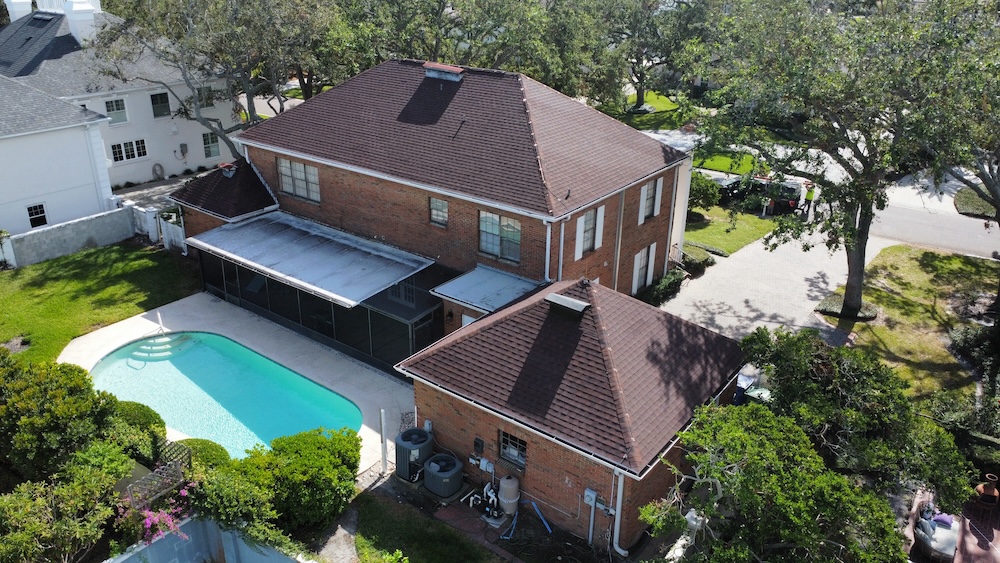
If lightning just hit your home — or you heard the crack and felt the concussion and you’re not sure what happened — stop and read this before you do anything else. A lightning strike to a residential structure is not a weather event you walk off. It is a fire ignition event, a power-system event, and an insurance event, all at once, and the decisions you make in the next 24 hours determine whether you recover cleanly or spend the next six months fighting a claim, replacing electronics that weren’t documented, or discovering a smoldering attic fire that started three hours after the storm passed. This guide walks you through the sequence — safety first, then documentation, then the conversation with your insurer, and finally the step that most homeowners skip entirely: making sure it doesn’t happen again.
Step One: Treat It as a Fire Emergency Until You Know Otherwise
The first thing to understand about a lightning strike to a house is that the fire may not be visible yet. A 40,000-ampere discharge traveling down through a roof structure can ignite wood framing, insulation, or attic debris at a point that is completely hidden from the living space below. The flame smolders. It finds oxygen slowly. Homeowners have walked back inside, decided everything looked fine, and woken up to a fully involved attic fire two or three hours later.
So the rule is simple: if you see smoke anywhere — from the roof, from an outlet, from the attic hatch — call 911 immediately and get everyone out of the house. Do not go back in to retrieve belongings. Do not assume the smoke is just from a scorched shingle. Florida fire investigators consistently find that lightning-ignited attic fires are underestimated in the first hour because the entry point is concealed.
Even if you see no smoke, do this before you relax:
- Walk the exterior perimeter and look at the roofline, chimney, and any tree that overhangs the structure. A strike path often leaves a visible scorch mark, a blown-out section of fascia, or a tree with a spiral strip of bark blown off.
- Open the attic hatch briefly and check for smoke, the smell of burning wood or insulation, or visible char. If you detect any of these, close the hatch, leave the house, and call 911.
- Check every room for the smell of ozone or burning plastic — both indicate electrical arcing inside walls.
If there is any doubt, call 911 and let the fire department make the determination. That is not an overreaction. It is the correct protocol, and your homeowner’s insurance will not penalize you for it.
Why Attic Fires After a Lightning Strike Are Different
Standard residential construction gives a lightning discharge a predictable path: it enters through the highest point — usually a roof peak, a chimney, a plumbing vent stack, or a satellite dish mount — and it looks for the fastest route to ground. In a house without a dedicated lightning protection system, that path runs through whatever conductive material is available: metal flashing, plumbing pipes, electrical wiring, or simply through the wood framing itself via resistive heating.
Wood framing that absorbs a portion of that current doesn’t necessarily burst into flame immediately. It chars internally. Fiberglass batt insulation around it acts as a thermal blanket, holding heat in. The result is a slow-burn scenario that can take anywhere from 30 minutes to several hours to produce visible smoke at the roofline. By the time a neighbor notices it from the street, the fire has often been burning inside the structure for a significant period.
This is not a rare edge case. The National Weather Service notes that lightning is a leading cause of home fires in the United States, and Florida — with roughly 76 cloud-to-ground flashes per square mile per year, the highest rate in the country — sees this scenario play out regularly. The Tampa Bay area alone averages more than 100 thunderstorm days per year.
If the fire department clears the structure, ask them specifically whether they checked the attic space with a thermal camera. Many departments carry them. If yours did not, consider hiring a licensed home inspector with thermal imaging capability before you sleep in the house that night.
Step Two: The Electrical Panel and Your Electronics
Once the fire risk is addressed, go to your main electrical panel. Do not reset any tripped breakers yet. A breaker that tripped during a strike may have tripped because the wiring behind it absorbed a surge — resetting it before an electrician inspects the circuit can re-energize damaged insulation and start a fire inside a wall cavity.
What you are looking for at the panel:
- Breakers that tripped (note which ones — this is documentation for your claim)
- Any visible burn marks, melted plastic, or the smell of burned insulation inside the panel enclosure
- Whether your main breaker held or tripped
If you see burn marks or smell burning inside the panel, do not touch anything. Call a licensed electrician before you restore power to any circuit. In Florida, that work requires a licensed electrical contractor; your insurer will want documentation of who performed the inspection.
For electronics, the picture is more complicated. A direct strike to a home can deliver a surge that overwhelms standard surge protectors — the kind built into a power strip. Those devices are Type 3 point-of-use SPDs, and they are the last line of defense in a properly designed surge suppression system, not a standalone solution. A direct strike can push tens of thousands of volts through the service entrance before a power-strip protector ever sees it. Devices that appear to be working immediately after a strike may have sustained internal damage that shortens their lifespan or causes failure weeks later.
Before you assume your television, HVAC control board, refrigerator compressor, or smart-home hub survived, document their current state. Photograph them. Note whether they power on. If they don’t, leave them unplugged and include them in your insurance claim. If they do power on, note that too — some insurers will cover latent damage if it manifests within a reasonable period after a documented strike.
Step Three: Build Your Insurance Documentation in the First 24 Hours
The insurance claim process for a lightning strike is more straightforward than many homeowners expect — but only if the documentation is thorough. According to the Insurance Information Institute, lightning claims are among the most consistently paid property claims in the U.S., with the national average claim payout running into the thousands of dollars. Florida homeowners file more lightning claims than residents of any other state, and Florida insurers are experienced with them — which means they are also experienced at identifying incomplete documentation.
Do this within the first 24 hours:
- Photograph everything before anything is cleaned up or repaired. Roof damage, scorched outlets, blown-out fixtures, damaged trees, cracked masonry around a chimney — all of it. Use your phone’s timestamp feature and make sure location data is enabled.
- Note the date, time, and approximate direction of the strike. Your local National Weather Service office maintains lightning strike data that your insurer or a public adjuster can pull to corroborate your claim.
- List every electronic device and appliance that may have been affected. Include model numbers and approximate purchase dates if you have them. Receipts help, but they are not always required.
- Call your insurer’s claims line — not your agent’s office line. The claims line opens a formal claim record with a timestamp. Your agent’s office may not have the authority to do that directly.
- Do not authorize permanent repairs before the adjuster inspects. Emergency tarping of a damaged roof is fine and expected. Replacing the roof before the adjuster sees it is not.
Keep a written log of every conversation with your insurer: date, time, name of the representative, and what was discussed. If you use a public adjuster, verify their Florida license through the Florida Department of Business and Professional Regulation.
Step Four: Get the Structure Professionally Assessed
After the fire department clears the structure and before permanent repairs begin, two professional assessments are worth scheduling:
A licensed electrician should inspect the entire electrical system — panel, wiring, and any hardwired appliances — before you restore full power. In Florida, this is not optional if you have visible damage; the permit process for electrical repairs will require it anyway.
A licensed lightning protection contractor can assess the strike path, identify where the discharge entered and traveled through the structure, and document the damage in terms that are useful both for your insurance claim and for planning a protection system. If your home already has a lightning protection system, a post-strike inspection is essential — a strike can damage down conductors, ground connections, or bonding points in ways that are not visible without testing. The UL 96A Master Label certification that validates a complete system requires periodic inspection; a post-strike inspection is a logical trigger for that review.
All South Lightning Protection has performed post-strike assessments on residential structures across the Tampa Bay area, Broward County, and the Jacksonville region for more than 40 years. Our team can identify the strike path, assess whether existing protection performed as designed, and provide documentation suitable for your insurance file. You can learn more about our inspection process here.
Step Five: Prevention — So This Doesn’t Happen Again
A lightning strike to your home is not random bad luck in the sense that nothing could have changed the outcome. A properly designed and installed lightning protection system — one that meets NFPA 780 standards and carries a UL 96A Master Label — gives a direct strike a controlled, low-resistance path to ground, bypassing your structure’s framing, wiring, and contents entirely. The system doesn’t prevent lightning from striking your property. It controls where the energy goes when it does.
For a deeper look at what a residential system involves and what it costs, the residential lightning protection cost guide on this site covers the variables honestly. And for a broader look at the protection options available to Florida homeowners specifically — including surge suppression layering and what a power-strip protector actually does and doesn’t do — the FOX 13 feature “How to Protect Your Home From Lightning Strikes in Florida” covers the prevention side in detail; we won’t restate it here.
What we will say is this: if your home was struck once, the local ground conditions, the height of your structure relative to surrounding trees, and the storm track patterns in your area don’t change. The factors that made your home a strike candidate are still present. A post-strike assessment is the right moment to have a frank conversation about whether a protection system makes sense for your property.
Frequently Asked Questions
Is my home safe to stay in after a lightning strike?
Not necessarily — not until it has been checked. The primary risk in the hours immediately after a strike is a hidden attic or wall-cavity fire that hasn’t produced visible smoke yet. Have the fire department inspect the structure, and specifically ask whether they used a thermal camera in the attic space. If they didn’t, consider hiring a home inspector with thermal imaging before you sleep in the house. Once fire risk is ruled out, a licensed electrician should inspect the electrical system before you restore full power to circuits that tripped during the strike.
Will my homeowner’s insurance cover lightning strike damage?
Standard homeowner’s insurance policies in Florida generally cover direct lightning strike damage, including structural damage, fire resulting from a strike, and damage to electronics and appliances caused by the associated surge. The key is documentation: photograph all damage before repairs begin, list every affected device with model numbers, and open a formal claim with your insurer’s claims line — not just your agent — within 24 hours. The Insurance Information Institute confirms that lightning is one of the most consistently covered perils in standard homeowner’s policies.
My electronics look fine right now. Do I still need to worry?
Yes. A surge from a nearby or direct strike can cause internal component damage that doesn’t manifest immediately. Capacitors, control boards, and compressors can fail days or weeks after a strike. Document the current state of every device — whether it powers on, whether it behaves normally — and include that documentation in your insurance claim. Some policies cover latent damage if it’s reported within a reasonable window of a documented strike event. Don’t assume a device is fine just because it turned on.
What’s the difference between a surge protector and actual lightning protection?
A power-strip surge protector is a Type 3 point-of-use SPD — it’s designed to handle small transient surges on the distribution side of your electrical system. It is not designed to absorb the energy from a direct strike or a near-miss strike that enters through your service entrance. A complete surge suppression system layers Type 1 protection at the service entrance, Type 2 at the distribution panel, and Type 3 at point-of-use. A structural lightning protection system is a separate and complementary system that intercepts the strike before it reaches your wiring at all. You need both layers working together for meaningful protection.
Does a lightning protection system attract lightning to my house?
No — this is one of the most persistent myths in the field, and it’s been studied extensively. Air terminals (lightning rods) do not increase the probability that your home will be struck. What they do is provide a preferred, low-resistance path to ground if a strike does occur, so the energy bypasses your structure rather than traveling through it. The Lightning Protection Institute has published extensive technical documentation on this point. A properly installed system meeting NFPA 780 and carrying a UL 96A Master Label is the standard of care for residential lightning protection.
The 24 Hours Are the Hinge Point
A lightning strike to a home compresses a lot of decisions into a very short window. Get everyone out if there’s any sign of fire. Let the fire department clear the structure. Don’t reset tripped breakers until an electrician has inspected the circuits. Document everything before a single repair is made. Open your insurance claim formally and in writing. Then, once the immediate crisis is managed, have a licensed lightning protection contractor assess the strike path and talk through what a protection system would look like for your specific property.
All South Lightning Protection serves residential clients across the Tampa Bay area, Broward County, and the Jacksonville region. Our team has more than 40 years of field experience with post-strike assessments, system design, and UL 96A-certified installations. If your home was struck — or if you’re ready to make sure it’s protected before the next storm season — schedule a site assessment with our team. We’ll tell you exactly what you’re working with.